


The health and wellness industry is booming, fueled by a growing awareness among consumers about the importance of maintaining a healthy lifestyle and the rising demand for solutions that enhance physical fitness, mental well-being, and overall quality of life. This dynamic sector presents numerous opportunities for aspiring entrepreneurs to not only build profitable businesses but also make a significant positive impact on people’s lives. As consumers become more proactive about their health, the demand for innovative products and services continues to rise.
According to the Global Wellness Economy, the wellness industry was valued at a staggering $5.6 trillion in 2022, and global spending on health and wellness is steadily increasing. This trend highlights the vast potential for entrepreneurs to tap into this lucrative market with unique and effective solutions. Whether you’re passionate about fitness, nutrition, mental health, or holistic wellness, there are countless ways to enter this thriving industry.

Here are the top 10 profitable health and wellness business ideas for 2024 that can help you capitalize on this growing market while promoting healthier lifestyles and well-being.
Table of Contents
1. Personal Fitness Training

Personal fitness training remains a highly lucrative business with a growing focus on fitness and healthy lifestyles. Whether you offer one-on-one sessions, group classes, or virtual training programs, there’s a significant demand for personalized fitness guidance. Certifications and expertise in various fitness disciplines can set you apart.
The demand for personal fitness training has grown significantly over the past decade, driven by increased awareness of the importance of physical health and wellness. According to the Health and Fitness Association, 64% of Americans said that wellness is more important than other leisure activities, and 87% said they maintained or increased wellness spending in 2022. In the United States alone, the personal training industry increased by 1.2% and generated approximately $13 billion in revenue in 2023, according to IBISWorld.
Moreover, the U.S. Bureau of Labor Statistics projects that employment for fitness trainers and instructors will grow by 14% from 2022 to 2032, much faster than the average for all occupations, reflecting a strong demand for these services. This growth is further supported by a report from Allied Market Research, which estimates that the global personal training market will reach $21.9 billion by 2026, growing at a compound annual growth rate (CAGR) of 7.7% from 2019 to 2026. These statistics underscore the rising demand for personal fitness training, driven by a growing consumer focus on health and wellness, the popularity of personalized fitness programs, and the expanding reach of virtual and online training options.
Target Market:
The target market for a personal fitness training business encompasses a diverse group of individuals seeking to improve their physical health and fitness. This includes young professionals who need flexible training schedules to fit around their busy work lives, as well as older adults aiming to maintain mobility and manage age-related health issues.
Additionally, fitness enthusiasts seeking personalized guidance to achieve specific goals, such as bodybuilding, weight loss, or athletic performance, form a significant portion of the market. New mothers wanting to regain their pre-pregnancy fitness levels and individuals recovering from injuries or surgeries who require tailored rehabilitation programs are also key demographics.
Furthermore, people with specific health conditions like diabetes, hypertension, or obesity who need customized fitness plans under expert supervision are crucial to the market.
With the increasing popularity of virtual training, those preferring to exercise at home or those living in remote areas without access to gyms also present a valuable segment. A personal fitness training business can attract and retain a broad and loyal client base by addressing these varied groups’ unique needs and preferences.
Success Factors:
When starting a personal fitness business, several key success factors are essential for ensuring growth and sustainability. First and foremost, obtaining relevant certifications from reputable organizations such as the National Academy of Sports Medicine (NASM) or the American Council on Exercise (ACE) is crucial for establishing credibility and trust with clients. Developing a niche, whether it be weight loss, sports performance, or post-rehabilitation fitness, helps to differentiate your services in a competitive market and attract a specific clientele.
Effective marketing strategies, including a robust online presence through social media and a professional website, are vital for reaching potential clients and building a brand. Building strong relationships with clients through personalized service, consistent communication, and ongoing support fosters client loyalty and positive word-of-mouth referrals.
Additionally, investing in continuing education to stay updated with the latest fitness trends and techniques ensures you can offer the best possible service. Finally, leveraging technology by offering virtual training sessions can expand your reach beyond local clients and provide flexibility in service delivery. A personal fitness business can thrive in a dynamic and growing industry by focusing on these key success factors.
Key Considerations:
- Obtain relevant certifications (e.g., NASM, ACE).
- Invest in marketing to build a client base.
- Consider offering virtual training sessions to reach a broader audience.
2. Health and Wellness Coaching

Health and wellness coaching involves helping clients achieve their health goals through personalized advice and support. This includes weight management, nutrition, stress reduction, and overall lifestyle changes. As people become more health-conscious, the demand for skilled wellness coaches rises.
The demand for health and wellness coaching has been steadily increasing, reflecting a growing awareness of the importance of a holistic approach to health. According to a report by the Global Wellness Institute, global spending in the wellness industry has exceeded $4 trillion every year since 2017, with personal care, beauty, and healthy eating being the largest segments.
The International Coach Federation (ICF) states that the coaching industry, which includes health and wellness coaching, is growing rapidly, with an estimated global revenue of $4.564 billion in 2022, a 60% increase from 2019. Additionally, a study by the National Wellness Institute highlights that 87% of Americans are focused on their health and wellness, indicating a substantial market for coaching services.
Furthermore, the U.S. Bureau of Labor Statistics projects that employment for health educators and community health workers, which includes wellness coaches, will grow by 14% from 2022 to 2032, faster than the average for all occupations. These statistics underscore the increasing demand for health and wellness coaching, driven by a shift towards preventive healthcare and a desire for personalized health solutions.
Target Market:
The target market for a health and wellness coaching business includes a broad range of individuals seeking to enhance their overall well-being through personalized guidance and support. This market primarily comprises busy professionals who need help managing stress and maintaining a healthy work-life balance and individuals looking to improve their nutrition, physical fitness, and mental health.
Additionally, people with chronic health conditions such as diabetes, hypertension, and obesity seek wellness coaching to manage their conditions and improve their quality of life. Aging adults aiming to stay active and healthy, along with new parents adjusting to the demands of parenthood, are also key demographics. Furthermore, corporate clients looking to implement wellness programs for their employees and individuals pursuing specific wellness goals, such as improved sleep or smoking cessation, form a significant part of the market. By addressing the diverse needs of these groups, a health and wellness coaching business can attract a varied and loyal clientele.
Success Factors:
When starting a health and wellness coaching business, several key success factors are essential for ensuring its success and sustainability.
Firstly, obtaining relevant certifications from reputable organizations, such as the National Board for Health and Wellness Coaching (NBHWC) or the International Coach Federation (ICF), is crucial for establishing client credibility and trust. Developing a clear niche, whether weight management, stress reduction, or chronic disease management, helps differentiate your services and attract a specific target audience.
Effective marketing strategies, including a professional website, active social media presence, and engaging content such as blogs or webinars, are vital for reaching potential clients and building your brand. Building strong, empathetic relationships with clients through personalized service, consistent communication, and ongoing support fosters client loyalty and generates positive word-of-mouth referrals. Additionally, staying updated with the latest research and trends in health and wellness through continuous education ensures that you provide the best possible guidance and support.
Finally, leveraging technology by offering virtual coaching sessions can expand your reach beyond local clients and provide flexibility in service delivery. A health and wellness coaching business can thrive in a competitive and growing industry by focusing on these key success factors.
Key Considerations:
- Get certified through recognized organizations (e.g., ICF, NBHWC).
- Develop a niche to attract specific clients (e.g., corporate wellness, women’s health).
- Use social media and online platforms to reach potential clients.
3. Nutritional Consulting

Nutritional consulting is vital for individuals seeking to improve their diet and health. As a nutrition consultant, you can offer personalized meal plans, dietary advice, and support for various health conditions. The increasing awareness of the role of diet in overall health makes this a profitable business opportunity.
The demand for nutritional consulting services is steadily increasing, driven by rising health awareness and the growing prevalence of diet-related health issues. According to the U.S. Bureau of Labor Statistics, the employment of dietitians and nutritionists is projected to grow by 7 percent from 2022 to 2032, faster than the average for all occupations, reflecting strong demand for nutritional expertise.
The global nutrition market is also expanding, with a report by Precedence Research estimating that the global human nutrition market size was valued at USD 383.4 billion in 2022. It is projected to reach around USD 719.69 billion by 2032, expanding at a CAGR of 6.50% from 2023 to 2032., driven by factors such as increasing consumer focus on health and wellness and rising rates of chronic diseases.
Furthermore, a survey by the International Food Information Council (IFIC) found that 85% of Americans have changed their diet to improve health, indicating a significant market for nutritional consulting services. These statistics underscore the growing demand for nutritional consulting, driven by a shift towards preventive healthcare and personalized nutrition solutions.
Target Market:
The target market for a nutritional consulting services business includes diverse individuals and organizations seeking expert advice on diet and nutrition to improve health outcomes.
This market comprises individuals with specific health conditions such as diabetes, cardiovascular diseases, and gastrointestinal disorders who need tailored nutritional plans to manage their conditions. Fitness enthusiasts and athletes also seek nutritional consulting to optimize their performance and achieve their fitness goals. Additionally, weight management clients seeking to lose or gain healthily form a significant segment. Pregnant and breastfeeding women, children, and the elderly who require specialized dietary guidance are also important demographics.
Corporate clients aiming to implement employee wellness programs and schools seeking to improve student nutrition round out the target market. By addressing the varied nutritional needs of these groups, a nutritional consulting services business can attract a broad and loyal client base.
Success Factors:
When starting a nutritional consulting services business, several key success factors are essential for achieving success and sustainability.
Firstly, obtaining proper credentials, such as a Registered Dietitian Nutritionist (RDN) certification, is crucial for establishing client credibility and trust. Specializing in a niche, such as sports nutrition, pediatric nutrition, or chronic disease management, can help differentiate your services and attract specific client groups.
Effective marketing strategies are vital for reaching potential clients and building your brand, including a professional website, active social media presence, and engaging content like blogs, webinars, and client testimonials. Building strong relationships with clients through personalized service, consistent communication, and ongoing support fosters client loyalty and positive word-of-mouth referrals. Staying updated with the latest research and trends in nutrition through continuous education ensures that you provide the best possible advice and solutions.
Finally, leveraging technology by offering virtual consultations can expand your reach beyond local clients and provide flexibility in service delivery. A nutritional consulting services business can thrive in a competitive and growing industry by focusing on these key success factors.
Key Considerations:
- Obtain a degree or certification in nutrition.
- Specialize in areas such as sports nutrition, weight loss, or chronic disease management.
- Create digital products like e-books or online courses to supplement your income.
4. Yoga Studio

Yoga has become immensely popular due to its physical, mental, and spiritual benefits. Opening a yoga studio can be rewarding, offering classes such as Hatha, Vinyasa, and restorative yoga. Adding services like meditation sessions and wellness workshops can further enhance your business.
The demand for the yoga studio business has been growing steadily, driven by increasing awareness of the health benefits of yoga and a rising interest in holistic wellness practices. According to the Yoga Alliance and Yoga Journal’s 2016 Yoga in America Study, the number of yoga practitioners in the U.S. grew to over 36 million, up from 20.4 million in 2012, reflecting significant growth in interest and participation.
>>> READ: How to Start a Yoga Studio Business: A Comprehensive Guide
The global yoga market is also expanding, with Grand View Research estimating it will grow from $107.1 billion in 2023 at a compound annual growth rate (CAGR) of 9.4% from 2024 to 2030. The growth of the yoga market is driven by factors such as the increasing prevalence of lifestyle diseases, growing awareness of health and wellness, and rising adoption of fitness practices.
Additionally, a study by the Global Wellness Institute found that one in three Americans have tried yoga at least once, and 15% have practiced it in the last six months, indicating strong demand. These statistics highlight the growing popularity and demand for yoga, positioning yoga studio businesses for continued growth.
Target Market:
The target market for a yoga studio business encompasses diverse individuals seeking to improve their physical and mental well-being through yoga. This market includes busy professionals looking to relieve stress and balance their hectic lives, fitness enthusiasts wanting to complement their workout routines with flexibility and strength training, and seniors aiming to maintain mobility and reduce age-related aches and pains.
Additionally, key demographics include pregnant women seeking prenatal yoga classes, new mothers interested in postnatal yoga, and individuals recovering from injuries or surgeries who require gentle, therapeutic yoga sessions. Moreover, those looking for holistic health practices, including mindfulness and meditation, form a significant part of the market.
A yoga studio business can attract a broad and loyal clientele by offering various yoga styles and classes tailored to these different needs.
Success Factors:
When starting a yoga studio business, several key success factors are essential for ensuring its success and sustainability. Firstly, selecting a convenient and accessible location with ample parking and public transportation options is crucial for attracting clients.
Offering a variety of yoga styles, such as Hatha, Vinyasa, Ashtanga, Yin, and prenatal yoga, can cater to different preferences and needs, broadening your appeal. Hiring certified and experienced instructors who provide high-quality instruction and personalized attention is vital for building a strong reputation and client loyalty. Implementing effective marketing strategies, including a professional website, active social media presence, and community events or workshops, can help build awareness and attract new clients.
>>> READ: 10 Keys to a Successful Yoga Studio Business
Creating a welcoming and serene studio environment that enhances the yoga experience and fosters a sense of community is also important. Additionally, flexible membership options, such as drop-in classes, monthly memberships, and class packages, can cater to different client needs and budgets.
Finally, leveraging technology by providing online booking, virtual classes, and live-streamed sessions can expand your reach and provide convenience for clients. A yoga studio business can thrive in a competitive and growing industry by focusing on these key success factors.
Key Considerations:
- Choose a location with high visibility and accessibility.
- Hire certified and experienced instructors.
- Offer diverse class schedules to accommodate different client needs.
5. Health Food Delivery Service

With busy lifestyles and a growing emphasis on healthy eating, the health food delivery service can be profitable. Offering nutritious, ready-to-eat meals delivered to clients’ doorsteps provides convenience and supports their wellness goals. Catering to specific dietary preferences, such as vegan, keto, or gluten-free, can attract a broad customer base.
The demand for Health Food Delivery Services has been rising rapidly, driven by increasing health awareness and the need for convenience in modern lifestyles.
According to a report by Grand View Research, the global healthy snacks market size was valued at $90.62 billion in 2022 and is projected to grow at a compound annual growth rate (CAGR) of 6.7% from 2023 to 2030, reflecting the rising consumer preference for healthy eating options. Growing awareness of health and wellness and an increasing focus on lifestyle-related ailments have led to a surge in consumer interest in healthier snack choices. This has created a demand for convenient, nutritionally balanced snacks to enjoy on the go.
The COVID-19 pandemic further accelerated the growth of meal delivery services, with consumers prioritizing health and safety. Statista reports that the revenue in the online food delivery segment is projected to reach $1.22tn in 2024, with a significant portion attributed to health-focused meal services.
Additionally, a survey by the International Food Information Council (IFIC) in 2020 found that 85% of Americans have made changes to their diet to improve health, indicating strong and sustained interest in health food delivery options. These statistics highlight the robust demand for Health Food Delivery Services, driven by a growing focus on health, convenience, and dietary customization.
Target Market:
The target market for a Health Food Delivery Service includes a wide range of individuals and groups who prioritize healthy eating and convenience. Busy professionals and working parents who lack the time to prepare nutritious meals are primary customers seeking convenient and healthy food delivered to their doorsteps.
Fitness enthusiasts and athletes looking to support their training with balanced diets also form a significant segment, as do individuals with specific dietary needs such as vegan, gluten-free, or keto diets. Additionally, people with chronic health conditions like diabetes, heart disease, and obesity turn to health food delivery services to manage their diets effectively.
Seniors who may find it challenging to cook for themselves and families wanting to instill healthy eating habits in their children also contribute to the customer base. A Health Food Delivery Service can attract a diverse and loyal clientele by addressing these varied needs.
Success Factors:
When starting a Health Food Delivery Service, several key success factors are essential for ensuring its success and sustainability. Firstly, developing a diverse and appealing menu that caters to various dietary preferences and health needs is crucial for attracting a wide customer base. Sourcing high-quality, fresh ingredients and maintaining strict food safety standards will help build client trust and loyalty.
Implementing a user-friendly online ordering system with clear nutritional information, customization options, and secure payment methods is vital for providing convenience and a positive customer experience.
Effective marketing strategies, including social media campaigns, collaborations with fitness influencers, and local community events, can help raise awareness and attract new customers. Flexible delivery options like same-day and subscription plans can cater to different client needs and preferences. Building strong relationships with local suppliers and nutrition experts can enhance the quality and credibility of your service.
Finally, leveraging technology for efficient logistics and customer service management will ensure timely deliveries and high customer satisfaction. A Health Food Delivery Service can thrive in a competitive and growing market by focusing on these key success factors.
Key Considerations:
- Develop a menu with varied and healthy options.
- Ensure compliance with food safety regulations.
- Invest in an efficient delivery system and user-friendly online ordering platform.
6. Mental Health Counseling

Mental health awareness has increased significantly, creating a high demand for counseling services. As a mental health counselor, you can provide support for issues like anxiety, depression, stress, and relationship problems. Offering telehealth services can broaden your reach and provide greater accessibility to clients.
The demand for Mental Health Counseling services has been increasing, driven by rising awareness of mental health issues and a growing acceptance of seeking professional help. According to the National Alliance on Mental Illness (NAMI), 1 in 5 adults in the U.S. (57.8 million people) experiences mental illness each year, highlighting a significant need for counseling services.
The American Psychological Association (APA) reported a substantial increase in the number of people seeking therapy in recent years, with nearly 74% of psychologists noting an increase in patients with anxiety disorders and 60% reporting a rise in those with depressive disorders during the COVID-19 pandemic.
According to Research and Markets, the global mental health market is expected to reach 532.86 billion in 2030, with a CAGR of 3.85% from 2023 to 2030. These statistics underscore the increasing demand for mental health counseling, driven by greater awareness and a shift towards destigmatizing mental health care.
Target Market:
The target market for a mental health counseling business encompasses a wide range of individuals seeking support for various psychological and emotional issues. This market includes adults dealing with stress, anxiety, and depression, often exacerbated by demanding work environments or personal life challenges.
Teenagers and young adults facing academic pressures, social issues, and identity-related concerns also form a significant segment. Couples and families experiencing relational conflicts and needing guidance in communication and conflict resolution are important demographics.
Additionally, individuals coping with trauma, grief, or major life transitions, such as divorce or the loss of a loved one, seek mental health counseling. Veterans and active military personnel dealing with post-traumatic stress disorder (PTSD) and other service-related mental health issues are also key clients.
Furthermore, organizations seeking employee assistance programs (EAPs) for their workforce round out the target market. A mental health counseling business can attract a broad and loyal client base by addressing these groups’ diverse mental health needs.
Success Factors:
When starting a mental health counseling business, several key success factors are essential for achieving success and sustainability. Firstly, obtaining the necessary licenses and certifications is crucial for establishing credibility and legal compliance. Specializing in a particular niche, such as trauma counseling, child and adolescent therapy, or marital counseling, can help differentiate your services and attract specific client groups.
Building a strong online presence through a professional website, social media, and online directories can help you reach potential clients and build your brand. Various service delivery options, including in-person sessions, telehealth, and group therapy, can cater to different client preferences and needs.
Effective marketing strategies, such as content marketing, community outreach, and partnerships with healthcare providers, can increase visibility and attract new clients. Providing a safe, comfortable, and confidential environment for clients to discuss their issues is critical for building trust and fostering client retention.
A mental health counseling business can thrive in a growing and vital industry by focusing on these key success factors.
Key Considerations:
- Obtain necessary licenses and certifications.
- Create a comfortable and confidential environment for clients.
- Utilize telehealth platforms to offer virtual counseling sessions.
7. Wellness Retreats

Wellness retreats offer immersive experiences focused on health, relaxation, and personal growth. These retreats can include activities like yoga, meditation, spa treatments, and nutrition workshops. Hosting retreats in serene locations can give clients a rejuvenating escape from their daily routines.
The demand for Wellness Retreats has been growing steadily, driven by increasing awareness of the importance of holistic health and well-being.
According to the Global Wellness Institute, the wellness tourism market is worth $651 billion annually. It has a forecasted average annual expenditure growth of 16.6% to 2027, growing nearly twice as fast as general tourism. Several trends contribute to this sector’s continuous growth. Families increasingly value travel experiences supporting their child’s well-being via education, personal development, and worldview expansion. The rise of “recovery” as a trend among individuals with busy lifestyles reflects a broader shift towards prioritizing wellness and self-care in response to the fast-paced, often stressful nature of modern life. Mental wellness as a travel trend has been gaining significant traction over the past few years, reflecting a broader societal shift towards valuing mental health and self-care.
A survey by the International Spa Association (ISPA) found that wellness travelers spend 130% more than the average traveler, highlighting the lucrative nature of the market.
Additionally, the COVID-19 pandemic has intensified the focus on mental health and self-care, further boosting the demand for wellness retreats. A report by Allied Market Research projects that the global wellness tourism market will reach $1,592.6 billion by 2030, registering a CAGR of 7.2% from 2021 to 2030. These statistics underscore the rising demand for Wellness Retreats, driven by a growing emphasis on preventive health and holistic wellness.
Target Market:
The target market for a wellness retreats business includes a diverse group of individuals seeking to enhance their physical, mental, and emotional well-being through immersive and rejuvenating experiences. This market consists primarily of busy professionals looking to disconnect from their hectic work lives and reduce stress. Health-conscious individuals and fitness enthusiasts who want to deepen their wellness practices, such as yoga, meditation, and detox programs, are also key demographics.
Additionally, people recovering from illness or managing chronic health conditions often seek wellness retreats for holistic healing and recovery. Retirees looking for healthy aging solutions and new experiences, as well as couples and groups of friends seeking bonding and relaxation opportunities, form significant segments.
Furthermore, corporate clients interested in offering wellness retreats as part of their employee wellness programs represent an important target market. By offering tailored experiences that address the varied wellness needs of these groups, a Wellness Retreats business can attract a broad and loyal clientele.
Success Factors:
When starting a Wellness Retreats business, several key success factors are essential for achieving success and sustainability. Firstly, selecting a serene and accessible location that provides a tranquil environment for relaxation and healing is crucial.
Offering a diverse range of high-quality wellness programs, including yoga, meditation, spa treatments, detox programs, and outdoor activities, can cater to various client interests and needs. Hiring experienced and certified wellness practitioners, such as yoga instructors, nutritionists, and therapists, ensures the delivery of top-notch services.
Effective marketing strategies, including a professional website, active social media presence, and partnerships with travel agencies and health professionals, are vital for attracting clients and building your brand. Creating customized retreat packages can enhance client satisfaction and encourage repeat business.
Additionally, providing exceptional customer service, including seamless booking processes and attentive on-site care, is critical for building trust and loyalty. A Wellness Retreats business can thrive in a competitive and growing industry by focusing on these key success factors.
Key Considerations:
- Choose a tranquil and accessible location.
- Curate a diverse and appealing itinerary.
- Partner with experienced wellness practitioners to lead sessions.
8. Mobile Massage Therapy

Mobile massage therapy allows clients to receive therapeutic massage treatments in their homes or offices. This business model eliminates the need for a physical location and offers flexibility for the therapist and the clients. Offering various massages, such as deep tissue, Swedish, or prenatal, can attract many clients.
The demand for Mobile Massage Therapy services is steadily increasing, driven by growing awareness of the health benefits of massage and the desire for convenient, personalized services.
According to IBISWorld, the market size, as measured by revenue of the Massage Services industry, was $22.4bn in 2023, growing 3.7% per year on average between 2018 and 2023. The American Massage Therapy Association (AMTA) estimates that about 18% got their massage from home, attributed to mobile and on-site services.
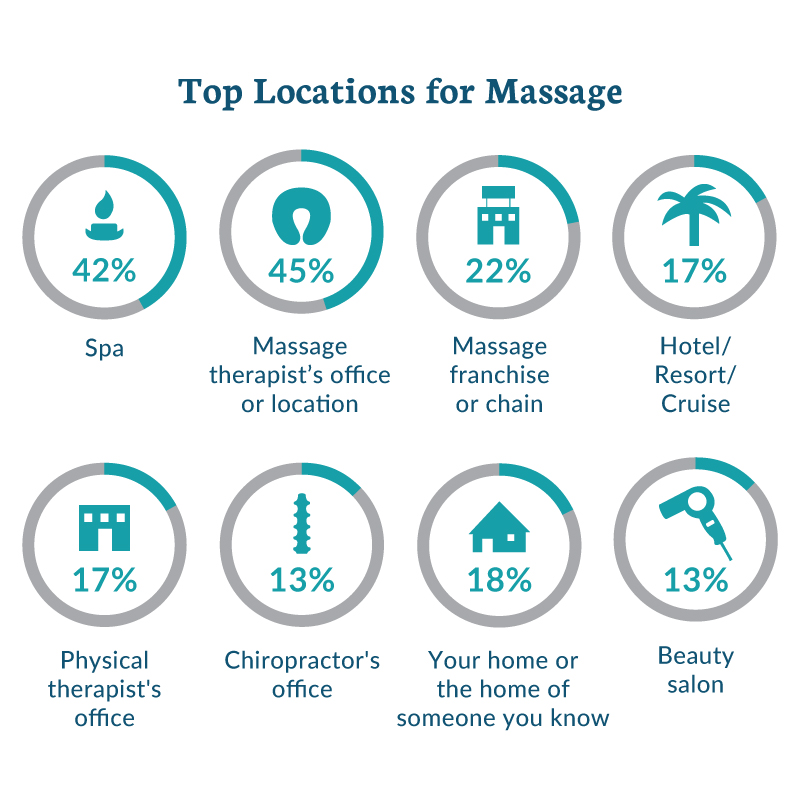
The Bureau of Labor Statistics projects that employment for massage therapists will grow 18 percent from 2022 to 2032, much faster than the average for all occupations, indicating strong demand for these services. A survey by the Global Wellness Institute found that 71% of consumers are willing to pay a premium for wellness services that offer convenience and flexibility, highlighting the appeal of mobile massage therapy. These statistics underscore the rising demand for Mobile Massage Therapy, driven by a shift towards personalized, convenient wellness solutions.
Target Market:
The target market for a Mobile Massage Therapy business includes diverse individuals and organizations seeking the convenience and benefits of professional massage services delivered directly to their location. This market comprises busy professionals and executives who require stress relief and muscle relaxation but have limited time to visit a spa.
Athletes and fitness enthusiasts looking for sports massages to aid recovery and enhance performance form another significant segment. Elderly individuals and those with mobility issues who prefer in-home services for comfort and accessibility are key demographics.
Additionally, new mothers seeking postpartum massages and individuals recovering from injuries or surgeries who need therapeutic massages are important clients.
Corporate clients interested in providing wellness programs for their employees and event organizers looking to offer on-site massage services at conferences, retreats, and parties also represent valuable markets. By addressing the diverse needs of these groups, a Mobile Massage Therapy business can attract a broad and loyal clientele.
Success Factors:
When starting a Mobile Massage Therapy business, several key success factors are essential for ensuring its success and sustainability.
Firstly, obtaining proper licensure and certifications is crucial for establishing credibility and ensuring compliance with local regulations. Investing in high-quality, portable massage equipment, such as massage tables and chairs, is necessary to provide a professional and comfortable experience for clients. Offering a range of massage services, including Swedish, deep tissue, sports, and prenatal massages, can cater to diverse client needs and preferences.
Implementing effective marketing strategies, such as a professional website, active social media presence, and partnerships with local gyms, spas, and wellness centers, can help attract clients and build your brand. Providing exceptional customer service, including prompt responses to inquiries, flexible scheduling, and personalized care, is vital for building trust and client loyalty.
Additionally, leveraging technology by offering online booking and mobile payment options can enhance convenience for clients and streamline operations. By focusing on these key success factors, a Mobile Massage Therapy business can thrive in a competitive and growing industry.
Key Considerations:
- Obtain licensure and certifications in massage therapy.
- Invest in portable massage equipment.
- Market your services through social media and partnerships with local businesses.
9. Online Health and Wellness Courses

Creating and selling online courses in health and wellness can be a highly profitable business. Topics can range from fitness and nutrition to mental health and stress management. With the flexibility of online learning, you can reach a global audience and generate passive income through course sales.
The demand for Online Health and Wellness Courses has grown substantially, driven by increasing health awareness and the convenience of online learning.
According to a report by the Global Wellness Institute, the global wellness industry is valued at over $4.5 trillion, with wellness education and personal care playing significant roles. The e-learning market, which includes online health and wellness courses, is expected to reach $325 billion by 2025, according to Research and Markets, driven by factors such as the increasing penetration of the internet and smartphones and the growing preference for flexible learning solutions.
https://www.mckinsey.com/industries/consumer-packaged-goods/our-insights/the-trends-defining-the-1-point-8-trillion-dollar-global-wellness-market-in-2024A survey by McKinsey & Company found that 79% of consumers believe wellness is important, and 42% consider it a top priority, indicating a significant market for health and wellness education.
These statistics underscore the rising demand for Online Health and Wellness Courses, fueled by a shift towards preventive health and the need for accessible, high-quality wellness education.
Sources:
- Global Wellness Institute: The Global Wellness Economy
- Research and Markets: E-Learning Market
- McKinsey & Company: Feeling Good: The Future of the $1.5 Trillion Wellness Market
Target Market:
The target market for an Online Health and Wellness course business is diverse, encompassing a wide range of individuals and groups seeking to improve their physical, mental, and emotional well-being through accessible and flexible learning.
This market includes busy professionals and working parents who need the convenience of online education to balance their schedules while prioritizing their health. Fitness enthusiasts and athletes looking to enhance their knowledge and performance with advanced training and nutrition insights form another significant segment. Individuals with specific health conditions, such as diabetes, hypertension, or obesity, seek targeted courses to manage their health better.
Additionally, people interested in preventive healthcare and holistic wellness practices, such as yoga, meditation, and mindfulness, are key demographics. Corporate clients looking to provide wellness programs for their employees and healthcare professionals seeking continuing education and certification opportunities also represent important markets.
An online health and wellness course business can attract a broad and engaged audience by offering various courses tailored to these different needs.
Success Factors:
When starting an Online Health and Wellness Courses business, several key success factors are essential for achieving success and sustainability.
Firstly, developing high-quality, evidence-based content that meets your target audience’s educational needs and interests is crucial for attracting and retaining learners. Diverse courses catering to different health and wellness topics, such as nutrition, fitness, mental health, and holistic practices, can broaden your market appeal. Utilizing engaging and interactive teaching methods, such as videos, quizzes, and live webinars, can enhance the learning experience and improve knowledge retention.
Implementing effective marketing strategies, including a professional website, social media presence, and partnerships with influencers and health professionals, is vital for reaching potential learners and building your brand. Providing flexible learning options, such as self-paced courses and mobile-friendly platforms, can cater to the needs of busy individuals. Additionally, offering certification and continuing education credits can attract healthcare professionals and enhance the credibility of your courses.
An Online Health and Wellness Courses business can thrive in a competitive and growing industry by focusing on these key success factors.
Key Considerations:
- Develop high-quality, informative content.
- Use platforms like Udemy, Teachable, or your own website to host courses.
- Promote your courses through digital marketing strategies.
10. Health and Wellness Blogging/Vlogging

Blogging or vlogging about health and wellness topics can generate income through advertising, sponsorships, and affiliate marketing. By sharing valuable content and building a loyal following, you can establish yourself as an authority in the industry. Topics include fitness routines, healthy recipes, wellness tips, and product reviews.
The demand for Health and Wellness Blogging/Vlogging has been growing significantly, driven by increased health awareness and the popularity of digital media. According to a report by the Global Wellness Institute, the wellness industry is a $4.5 trillion market, with digital wellness media being a crucial component.
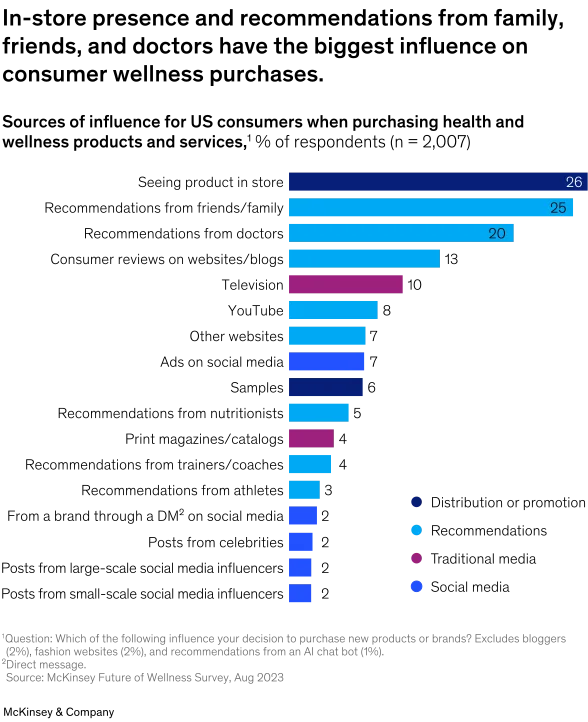
According to a 2022 CDC data brief, 58.5% of adults in the United States used the Internet to look for health information between July and December of that year, highlighting the vast audience seeking online health and wellness content. Even when purchasing health and wellness products and services, 13% of the respondents of a McKinsey study said that they peruse customer reviews on websites/blogs.
Additionally, a study by Precedence Research projects that the global health and wellness market was valued at $5,546.0 billion in 2023 and is expected to reach over $9,245.8 billion by 2033, growing at a CAGR of 5.2% from 2024 to 2033, driven by factors such as rising consumer health awareness and the increasing adoption of digital platforms for wellness information. These statistics underscore the growing demand for Health and Wellness Blogging/Vlogging, fueled by the need for accessible, reliable health information and the rise of digital content consumption.
Sources:
- Global Wellness Institute: The Global Wellness Economy
- Pew Research Center: Health Information Online
- Market Research Future: Wellness Market Research Report – Global Forecast 2026
Target Market:
The target market for a Health and Wellness Blogging/Vlogging business is broad, encompassing individuals of various ages, backgrounds, and lifestyles interested in improving their physical, mental, and emotional well-being.
This market includes young adults and millennials who frequently seek health and wellness information online, busy professionals looking for healthy work-life balance tips, and parents seeking advice on family health and nutrition. Fitness enthusiasts and athletes also form a significant segment, eager for workout routines, dietary advice, and performance tips.
Additionally, key demographics include individuals managing chronic health conditions, those interested in preventive healthcare, and people exploring holistic wellness practices such as meditation, yoga, and mindfulness.
By providing valuable, relatable content that addresses these groups’ diverse health and wellness needs, a Health and Wellness Blogging/Vlogging business can attract a large and engaged audience.
Success Factors:
When starting a Health and Wellness Blogging/Vlogging business, several key success factors are essential for achieving success and sustainability.
Firstly, creating high-quality, engaging, informative content that resonates with your target audience is crucial. This includes blog posts, videos, podcasts, and social media updates that provide valuable insights and practical tips on various health and wellness topics.
Building a strong personal brand and establishing yourself as an authority in health and wellness through consistent, authentic content is vital for gaining trust and attracting followers. Effective SEO strategies to increase visibility and drive organic traffic to your blog or channel can help reach a broader audience. Engagement with your audience through comments, social media interactions, and community-building activities is important for fostering a loyal and engaged following. Collaborating with other influencers, brands, and health professionals can enhance your credibility and expand your reach.
Additionally, diversifying your income streams through advertising, sponsorships, affiliate marketing, and selling digital products or services can ensure financial sustainability. A Health and Wellness Blogging/Vlogging business can thrive in a competitive and growing industry by focusing on these key success factors.
Key Considerations:
- Create consistent and engaging content.
- Use SEO strategies to increase visibility.
- Collaborate with brands and influencers to expand your reach.

Conclusion
The health and wellness industry offers many profitable business opportunities for 2024. By identifying your passion and expertise and carefully planning your venture, you can tap into this growing market and create a successful business that helps others lead healthier, happier lives. Whether you’re interested in personal training, nutritional consulting, or wellness retreats, there’s a niche for you in this thriving industry.
2 thoughts on “Top 10 Profitable Health and Wellness Business Ideas for 2025”
Comments are closed.