


Launching a clothing business could be a fantastic way to channel your creativity and style into a career if fashion is your thing. Selling clothes online is now more achievable than ever.
Whether you’re working with collaborators, wholesalers, or directly with customers, here’s a step-by-step guide to kick off your clothing business.
Table of Contents
The Growth of the Clothing Business
The clothing and apparel industry has been experiencing dynamic growth and transformation, driven by evolving consumer preferences and technological advancements.
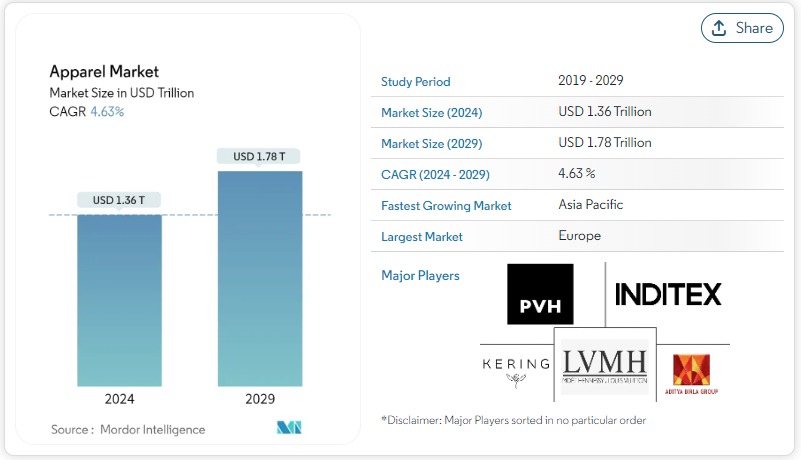
According to Mordor Intelligence, the “Apparel Market size is estimated at USD 1.36 trillion in 2024, and is expected to reach USD 1.78 trillion by 2029, growing at a CAGR of 4.63% during the forecast period (2024-2029).”
Over the past few years, e-commerce has significantly impacted the sector. Clothing manufacturers can now market their products on a significantly broader platform, allowing brands to reach a global audience more easily. The COVID-19 pandemic accelerated online shopping trends and changed consumer behavior, as lockdowns and social distancing measures made online shopping more appealing. As a result, companies that quickly adapted to these changes and leveraged online platforms effectively have seen considerable growth.
The market has also seen a notable shift towards sustainability, with consumers increasingly demanding ethically produced and environmentally friendly products. There has been a growing consumer awareness of environmental issues and the social impact of fashion production. This has prompted established brands and new entrants to innovate with eco-friendly materials, adopting circular fashion principles (like recycling and upcycling) and more transparent supply chains, emphasizing casual and comfortable wear.
Additionally, the industry has embraced digitalization in marketing, sales, and production processes, including digital design tools and automated manufacturing. Despite challenges like supply chain disruptions and changing tariffs, the industry’s outlook remains optimistic as it adapts to the new normal and leverages technology for further growth.
Steps to Start a Clothing Business
Research and Plan Your Clothing Business
The research and planning phase is a critical first step in starting a clothing business, laying the foundation for all subsequent decisions and strategies.
This stage begins with market research, where you investigate current fashion trends, consumer preferences, and potential gaps in the market. It’s time to investigate where to find potential suppliers and potential manufacturing partners.
It’s essential to identify your target demographic—understanding their buying habits, preferences, and spending power. Competitor analysis is also crucial; examining the strategies of existing brands can offer insights into what works and what doesn’t in the market.
Based on this research, you then develop a comprehensive business plan. This plan should detail your business concept, outline your product offerings, define your unique selling proposition, and project your financial needs and goals. It should also include a marketing strategy that describes how you intend to promote and sell your products and an operational plan that outlines how you will manage production and distribution.
Thorough research and planning help make informed decisions and secure funding, as they demonstrate to investors or financial institutions that your business has a clear roadmap to potential success.
Identify Your Niche
The clothing business is vast and filled with different market segments. It’s crucial to find your specific niche. Finding your niche in the clothing business is about identifying a specific market segment where you can cater to unique customer needs and distinguish yourself from competitors.
This focus helps you resonate with your target market and build a strong brand identity. Remember, successful brands often stick to their niche instead of trying to appeal to everyone. Take a look at these well-known brands in their unique niches:
- Lululemon – athleisure and yoga wear
- Patagonia – sustainable outdoor apparel
- Wrangler – casual
- Adidas – athletic
- H&M – trendy fashion
- Ralph Lauren – classic
- Savage X Fenty – inclusive lingerie
- Zara – fast fashion
Identifying your niche involves deeply analyzing market trends and consumer behaviors to spot underserved areas or particular interests that existing brands do not fully exploit. For instance, you might focus on eco-friendly apparel, plus-size fashion, athletic wear, or vintage styles, depending on where you see a gap and what aligns with your passions and expertise.
The clothing business offers many niches that cater to different customer preferences, lifestyles, and demographics. Here’s a comprehensive list of potential niches in the clothing business that you might want to consider:
- Sustainable and Eco-Friendly Fashion – Apparel made from organic or recycled materials.
- Ethical Fashion – Clothing produced under fair-trade practices.
- Luxury Fashion – High-end clothing with premium materials and exclusive designs.
- Fast Fashion – Trend-driven clothing offered at affordable prices.
- Slow Fashion – Focus on durability, craftsmanship, and sustainable production.
- Athleisure – Functional, comfortable clothing suitable for exercise and everyday wear.
- Sportswear – Apparel specifically designed for sports and physical activities.
- Streetwear – Urban fashion that includes casual, comfortable pieces like hoodies, sneakers, and caps.
- Vintage and Retro Fashion – Clothing that mimics styles from previous eras.
- Plus Size Fashion – Apparel designed for larger body sizes.
- Petite Fashion – Clothing tailored for shorter individuals.
- Maternity Wear – Apparel designed to accommodate pregnancy.
- Children’s and Baby Clothing – Apparel for young children and infants.
- Teen Fashion – Trendy clothing aimed at teenagers.
- Gender-Neutral Clothing – Apparel designed to be worn by any gender.
- Formal Wear – Elegant clothing suitable for formal events.
- Bridal Wear – Wedding dresses and related attire.
- Workwear and Corporate Uniforms – Professional attire suitable for office environments or specific jobs.
- Adaptive Clothing – Apparel designed for people with disabilities.
- Costume and Theatrical Clothing – Specialty clothing for performances or parties.
- Cultural and Ethnic Wear – Clothing that reflects specific cultural or ethnic heritage.
- Seasonal Fashion – Apparel for specific seasons, like swimwear or winter coats.
- Capsule Collections – Small, versatile pieces that can be mixed and matched.
- Denim – Apparel focused on jeans and other denim products.
- Lingerie and Sleepwear – Undergarments and clothing designed to be worn at home or to sleep.
- Outdoor and Adventure Gear – Durable clothing designed for outdoor activities.
- Techwear – High-tech, functional clothing that incorporates advanced textiles and technologies.
- Tech-Integrated Clothing – Apparel incorporates technology for added functionality, such as bio-sensing devices to monitor health metrics, clothes that change color or pattern based on temperature or sunlight, or even LED lights for aesthetic or safety purposes.
- DIY and Customizable Fashion – Clothing that customers can customize or alter themselves, including kits for home embroidery or dyeing.
- Second-Hand and Upcycled Fashion – Focusing on reselling used apparel or redesigning old clothes into new pieces.
- Local and Artisan Fashion – Clothing that emphasizes local production and craftsmanship, often handmade or produced in small batches.
- Health and Wellness Wear – Garments designed with health benefits in mind, such as compression wear or clothing made from hypoallergenic fabrics.
- Fan and Franchise Clothing – Apparel featuring popular characters and themes from movies, TV shows, games, and other media franchises.
Choosing a niche with a viable market and one you are genuinely interested in is crucial, as this passion will drive innovation and perseverance. Your niche should reflect your strengths. If you’re a skilled seamstress, focus on designing and making clothes. You might create designs for T-shirts and other apparel if you’re an artist. Additionally, considering the scalability and profitability of the niche, it should be sustainable and capable of growth.
Understanding your niche will also help you tailor your marketing and production strategies to meet your target audience’s preferences and expectations, enhancing customer satisfaction and loyalty. This strategic focus can be a significant advantage in building a strong brand identity and establishing a loyal customer base.

Understand Your Audience
Knowing and understanding your ideal customer is crucial for the success of a clothing business. Doing so ensures that your products and marketing strategies align with your target customers’ needs, preferences, and expectations. By gaining a deep insight into your audience, you can tailor your designs, marketing messages, and overall brand experience to resonate with them. This alignment increases the likelihood of customer satisfaction, encourages repeat business, and fosters brand loyalty.
Furthermore, understanding your audience helps you make informed decisions about product lines, pricing strategies, and promotional activities, reducing the risk of costly missteps. It also enables you to differentiate your brand from competitors by addressing specific consumer needs that others may overlook. Ultimately, a well-understood audience forms the foundation for all strategic decisions in a clothing business, from product development to customer service.
Here are some questions that can help you better understand your clothing business customers:
- Who is my ideal customer? (Age, gender, income level, occupation, etc.)
- What fashion styles are they interested in?
- What brands do they like?
- What is their main purpose for purchasing our products? (Casual wear, formal events, sports, etc.)
- Where do they typically shop for clothes?
- How often do they buy new clothes?
- What’s their budget?
- What factors influence their buying decisions? (Price, quality, brand reputation, sustainability, etc.)
- What are their typical spending habits on clothing?
- Are they trend followers?
- Which social media platforms do they use most?
- What are their hobbies and interests outside of clothing?
- How important is brand loyalty to them?
- What are their views on sustainability and ethical fashion?
- What type of promotions or marketing are they most responsive to?
- What kind of shopping experience are they looking for? (Online, in-store, fast shipping, flexible returns, etc.)
- How do they prefer to interact with brands? (Social media, email, in-person, etc.)
- What are their biggest frustrations with current clothing options?
- How do they feel about customization and personalization?
Answering these questions helps you tailor your brand and products to the people most likely to buy them. These questions can help clarify who your customers are, what they want, and how best to serve them, shaping your business strategy to meet their needs.

Design and Production:
The design and production stage is a pivotal part of running a clothing business, involving multiple detailed steps from concept creation to final product manufacturing.
Design:
Designing for a clothing business is a creative process that requires a blend of artistic vision and practical considerations. This initial phase starts with concept development, where you or your designers brainstorm, sketch, and finalize the styles based on the latest trends, market research, and brand identity.
Here are some tips to help you navigate this essential phase effectively:
1. Understand Your Brand and Audience: Start with a clear understanding of your brand identity and the needs and preferences of your target audience. This alignment ensures that your designs resonate with your customers and reflect your brand’s ethos. Regularly engaging with your customers and monitoring market trends can provide insights that help refine your design approach.
2. Develop a Theme for Each Collection: Each collection should have a cohesive theme that ties the pieces together, whether it’s inspired by a particular era, a color palette, a concept, or a story. This not only makes the collection more marketable but also helps in creating a strong visual impact.
3. Sketch and Iterate: Begin with rough sketches of your ideas. It’s important to iterate several times, refining and adjusting your designs based on aesthetic appeal, functionality, and production feasibility. Digital tools like Adobe Illustrator or CAD (Computer-Aided Design) software can be extremely helpful in creating detailed technical sketches and experimenting with different colors and fabric patterns.
4. Select the Right Fabrics and Materials: The choice of fabric plays a crucial role in how a garment looks and performs. Consider factors like drapability, comfort, care instructions, and cost. It’s also important to consider how the fabric aligns with your brand’s values, such as choosing sustainable materials if that is a part of your brand ethos.
5. Create Prototypes: Before going into full production, make prototypes of your designs. This allows you to see how the garments look on actual models or mannequins and make necessary adjustments. Prototyping is critical for testing the fit, comfort, and functionality of your designs.
6. Feedback is Key: Use feedback from peers, potential customers, and fashion industry experts to refine your designs. This feedback can be invaluable in spotting potential issues and understanding the market appeal of your designs before you invest in full-scale production.
7. Plan for Production: Design with production in mind by considering the complexity of designs, the availability of materials, and manufacturing capabilities. Simplifying designs to ease production without compromising on style can significantly reduce costs and production time.
8. Stay True to Your Creative Vision: While it’s important to consider market trends and consumer preferences, maintaining your unique creative vision is what sets your brand apart from the competition. Ensure that every piece reflects your brand’s identity and values.
9. Keep Learning and Innovating: The fashion industry is always evolving, so staying updated with the latest design trends, technologies, and techniques is crucial. Continuous learning can inspire new ideas and improve your design process.
By following these tips, you can create distinctive and appealing designs that not only look great but also meet the practical needs of production and resonate with your target audience, ultimately contributing to your brand’s success in the competitive fashion market.

Sourcing Materials:
Once the designs are finalized, the next step is to source the necessary materials. This involves selecting suppliers for fabrics, fasteners, embellishments, and other components needed to construct the garments.
Sourcing materials is crucial in the clothing business, impacting everything from production costs and quality to sustainability and brand reputation. Here are some tips to navigate this complex process effectively:
1. Define Your Needs and Standards: Before you begin sourcing materials, have a clear understanding of what you need in terms of fabric types, qualities, and quantities. Also, define your standards for quality and sustainability. This helps you communicate your requirements clearly to suppliers and ensures you get what you expect.
2. Research Suppliers: Sourcing can be local or international, depending on the business’s operational goals and the specific qualities sought in the materials. Conduct thorough research to find reliable suppliers. This can include attending trade shows, searching online platforms, and getting recommendations from industry contacts. When evaluating potential suppliers, consider their reputation, production capabilities, minimum order requirements, and the quality of their materials.
3. Consider Sustainability: If sustainability is a key aspect of your brand, look for suppliers who offer eco-friendly materials, such as organic cotton, recycled polyester, or fabrics produced with less water and fewer chemicals. Certifications like GOTS (Global Organic Textile Standard) or Bluesign can assure a supplier’s environmental and social practices.
4. Order Samples: Before placing a large order, request samples to assess the quality and suitability of the materials. This step is vital to ensure that the materials meet your specifications and maintain the integrity of your designs.
5. Negotiate Terms: Once you’ve chosen your suppliers, negotiate terms that benefit both parties. Discuss pricing, payment terms, lead times, and delivery schedules. Clear and fair terms can help establish a strong, lasting relationship with your suppliers.
6. Quality Control: Implement a quality control process to check materials regularly for consistency and defects. This might involve visiting the supplier’s facilities or hiring third-party inspectors to ensure the materials meet your standards before shipping.
7. Build Relationships: Good relationships with your suppliers can improve service, loyalty, and flexibility regarding orders and payments. Regular communication and visits can help strengthen these relationships.
8. Stay Informed and Flexible: The textile industry is dynamic, with fluctuating prices and evolving trends. Stay informed about market conditions and be flexible in adapting your sourcing strategy as needed. This can help you manage costs effectively and keep your product offerings fresh.
9. Plan for Logistics: Consider how materials will be delivered to your production site. Cost, timing, and customs clearance are important, especially when sourcing from overseas.
10. Backup Plans: Finally, have backup suppliers in case of disruptions with your primary suppliers. This can help mitigate risks associated with supply chain issues.
By carefully managing these aspects, you can ensure a steady supply of quality materials that meet your business’s needs and ethical standards, setting a solid foundation for your clothing line’s success.
Production:
The production process is a critical phase in a clothing business, encompassing the transformation of designs into tangible products. This process begins once materials are sourced, and includes cutting the fabric, sewing, adding finishing touches like buttons and zippers, and final inspections before the products are packaged and distributed..
Depending on the scale of the operation and the business model, production can be in-house or outsourced to domestic or overseas manufacturers. The choice between these options depends on cost, control over the process, lead time, and capacity. Efficiently managing this stage is vital for maintaining quality, controlling costs, and ensuring timely delivery. Here are some essential tips for optimizing the production process:
1. Choose the Right Production Method: Decide whether you will use in-house manufacturing or outsource to external factories. Each option has its merits and challenges. In-house production offers greater control over quality and lead times, while outsourcing can reduce costs and increase production capacity. Assess your business’s specific needs and resources to make the most appropriate choice.
2. Develop Detailed Tech Packs: Create comprehensive technical packets for each garment. These should include detailed specifications for materials, dimensions, sewing instructions, and finishing details. Tech packs serve as blueprints that guide manufacturers and reduce the likelihood of errors during production.
3. Select Reliable Manufacturers: If outsourcing, carefully vet and select manufacturers who align with your brand’s quality standards and ethical practices. Consider their previous work, reputation in the industry, and adherence to deadlines. Visiting the manufacturing facilities can provide valuable insights into their operational capabilities and working conditions.
4. Order Samples: Before proceeding with full-scale production, order samples to check the quality of work and adherence to your designs. This step allows you to make necessary adjustments and confirm the product meets your expectations before you commit to larger quantities.
5. Implement Quality Control Checks: Quality control is paramount during production to ensure the final products meet the set standards and specifications. Establish stringent quality control measures at various stages of the production process. Regular inspections should be conducted to ensure that the products meet your quality standards. This can include checking the raw materials, monitoring the manufacturing process, and evaluating the final products.
6. Manage Inventory Efficiently: Plan your inventory based on sales forecasts and market trends to avoid overproduction or stockouts. Efficient inventory management can help you optimize storage costs and ensure you have sufficient products to meet customer demand without tying up too much capital in unsold stock.
7. Foster Good Relationships with Suppliers and Manufacturers: Maintaining positive relationships with your suppliers and manufacturers can lead to better service, reliability, and potentially more favorable terms. Clear communication and regular feedback are key to building strong partnerships.
8. Plan for Logistics: Coordinate the logistics of getting your products from the factory to your warehouse or directly to customers. This includes choosing the right shipping methods, managing shipping costs, and ensuring timely delivery.
9. Stay Flexible and Adaptable: Production often encounters unforeseen challenges such as delays, material shortages, or quality issues. Being flexible and able to adapt your plans is crucial for addressing these challenges effectively without significantly impacting your business.
10. Continuously Evaluate and Improve: After each production run, evaluate the process to identify any areas for improvement. This continuous improvement approach can help you refine your production practices over time, leading to better efficiency and product quality.
By carefully managing these aspects of production, you can ensure that your clothing business produces high-quality garments efficiently and cost-effectively, helping to establish a strong market presence and customer satisfaction.
Each phase requires careful planning and coordination to ensure that the end products are high quality and align with the brand’s vision and customer expectations. Effective communication and management throughout the design and production stages are essential for a successful clothing line launch.

Branding Your Clothing Business
The branding stage is crucial for a clothing business as it creates a distinct image and personality that communicates the brand’s essence to consumers. Ensure your branding resonates with your target market and stands out. This process includes several key components:
Creating the Brand Name:
The brand name is typically the first point of contact between the business and potential customers. Clothing brand names can be quite varied, like Under Armour, Banana Republic, Chanel, or L.L. Bean. Your business name can be almost anything, but keep these tips in mind:
- It should be easy to pronounce and spell.
- Make it catchy and memorable.
- Consider how it sounds in other languages.
- It should be reflective of the brand’s ethos.
The process often involves brainstorming sessions where various name ideas are generated, considering how these names might resonate with the target audience. It’s also essential to check the availability of the name for trademark registration and domain availability for an online presence.
Developing Brand Identity:
This involves creating a visual identity that includes the logo, color palette, typography, and other visual elements that will be used consistently across all marketing materials.
The logo should be distinctive yet simple enough to be easily recognizable. Choosing the right colors and fonts can evoke specific emotions and convey the brand’s personality. For instance, a luxury brand might opt for minimalist designs and neutral colors to express sophistication. In contrast, a youth-oriented brand might choose bright colors and bold fonts to appear energetic and fun.
Tools like Canva offer an easy, free way to design logos, or you can hire a professional designer on platforms like Fiverr for an affordable price.
Brand Assets:
Beyond the logo and color scheme, brand assets include business cards, letterheads, packaging, labels, and promotional materials. These should all align with the brand’s identity to ensure consistency, which is key to building brand recognition and trust. High-quality photographs of products and well-designed promotional materials also play a significant role in appealing to the target market.
Crafting the Brand Story and Voice:
A compelling brand story and a consistent voice reflecting the brand’s values and mission can engage and connect with customers emotionally. This narrative should be woven into all communications, from website content and social media posts to marketing campaigns and packaging. The brand voice—professional, friendly, rebellious, or anything else—should be consistent in all written and spoken communications to strengthen the brand’s identity.
Digital Presence:
Establishing a strong online presence through a professional website, social media profiles, and online marketing strategies is essential. The website should reflect the brand’s visual identity and effectively communicate its values, making it easy for customers to understand the brand and purchase products.
In summary, branding is about creating a cohesive identity that embodies the brand’s values and appeals to its target audience. A strong brand identity can differentiate a clothing business in a crowded market, fostering customer loyalty and driving business success. Effective branding is not just about aesthetics; it’s about creating a comprehensive experience that resonates with customers and builds a lasting relationship.
Marketing Your Clothing Business
Marketing your clothing business effectively is crucial for building brand awareness, attracting customers, and driving sales. Here are some of the best ways to market your clothing line:
1. Develop a Strong Online Presence: In today’s digital age, having a robust online presence is essential. Create a professional website that showcases your products beautifully and is easy to navigate. Optimize the website for search engines (SEO) to increase visibility. Additionally, maintain active social media profiles on platforms where your target audience is most active, such as Instagram, Pinterest, and Facebook. Use these platforms to post engaging content, interact with followers, and promote new collections and offers.
2. Utilize Influencer Marketing: Partner with influencers who align with your brand’s values and have a significant following in your target market. Influencers can provide credible endorsements and expose your brand to a broader audience. Choose influencers who resonate with your brand image and whose followers are likely to be interested in your products.
3. Invest in Content Marketing: Create high-quality, valuable content that appeals to your target audience. This could include fashion tips, style guides, behind-the-scenes looks at your design process, or sustainability practices. Such content can help establish your brand as a thought leader in the fashion industry. Utilize blogs, videos, and podcasts to distribute your content.
4. Run Targeted Advertising Campaigns: Use online advertising tools like Google Ads or Facebook Ads to reach specific audiences who are likely to be interested in your products. Targeting can be based on demographics, interests, or even behaviors. Tailoring your ads to specific segments can increase their effectiveness and ROI.
5. Offer Promotions and Discounts: Everyone loves a good deal. Offering discounts, promotions, or exclusive sales can attract new customers and reward existing ones. Consider time-limited offers or loyalty discounts to encourage purchases.
6. Participate in Fashion Shows and Pop-Up Shops: Engage with customers directly by participating in fashion shows, trade fairs, or setting up pop-up shops. These events provide great exposure for your brand and allow customers to experience your products firsthand. They also offer opportunities for direct feedback and customer engagement.
7. Leverage Email Marketing: Build an email list and engage with your audience through regular newsletters. Email marketing allows you to keep your customers informed about new products, sales, and other updates. Personalize your emails to increase engagement and conversions.
8. Foster Customer Relationships: Good customer service should be at the heart of your marketing strategy. Happy customers are more likely to become repeat buyers and recommend your brand to others. Implement systems to handle customer inquiries and feedback efficiently, and always strive to exceed customer expectations.
9. Collaborate with Other Brands: Find non-competitive brands that share a similar target audience and consider collaborative marketing efforts. This can include co-branded products, joint events, or cross-promotions. Such collaborations can broaden your reach and attract new customers.
10. Measure and Adapt: Finally, continuously measure the effectiveness of your marketing strategies using tools like Google Analytics, social media insights, and sales data. Be ready to adapt your strategies based on what’s working and what’s not.
Effective marketing is about finding the right mix of strategies that work for your brand and constantly adapting to market trends and customer preferences. Each of these methods can help in building a strong, recognizable brand that attracts and retains customers.

Determining Your Role as Owner of Your Clothing Business
When starting a clothing business, the role of the owner is multifaceted and involves several key responsibilities. The specific duties can vary widely depending on the size of the business, the team’s structure, and how hands-on the owner chooses to be. Generally, the owner’s role encompasses the following aspects:
- Strategic Planning: The owner sets the overall direction of the business, developing short-term and long-term strategies. This includes defining the brand’s identity, target market, and unique selling propositions. Strategic planning also involves making pivotal decisions about the business model, such as choosing between an online-only store or a physical retail presence.
- Financial Management: Owners are responsible for the financial health of the business. This includes budgeting, securing funding (if necessary), managing cash flow, setting pricing strategies, and overseeing major expenditures. It’s crucial for owners to keep accurate financial records and often involves working with accountants or financial advisors.
- Product Development: In the early stages, owners may be heavily involved in product design and development, including choosing designs, materials, and overseeing the production process. As the business grows, they might hire designers and production managers but will still need to approve designs and production samples.
- Marketing and Sales: The owner often drives the initial marketing and sales strategies, which involve branding, promoting the business, and deciding on marketing campaigns. This can include digital marketing, social media management, and setting up sales channels. The owner must ensure the marketing efforts align with the brand’s identity and appeal to the target audience.
- Operations Management: Depending on the business size, the owner may be involved in day-to-day operations, including managing inventory, fulfilling orders, and customer service. Ensuring efficient operations is critical for customer satisfaction and overall success.
- Human Resources: In smaller startups, the owner might handle HR tasks such as hiring, training, and managing employees. As the company grows, these responsibilities can be delegated to a dedicated HR manager or team, but the owner will still be involved in decisions about company culture and key hires.
- Compliance and Legal Issues: Owners must ensure that the business complies with all local, state, and federal regulations, which can include business licensing, tax obligations, and labor laws. This might involve working with legal professionals to avoid any potential issues.
- Networking and Partnerships: Building relationships with suppliers, customers, and other business partners is a crucial role for owners. Networking can lead to valuable partnerships, mentorship opportunities, and the potential to expand the business.
Overall, the owner of a clothing business plays a pivotal role in every aspect of the company, from inception to everyday operations. The ability to adapt to various roles and a deep understanding of each facet of the business are essential for success. As the business matures, owners often shift more into oversight and strategic roles, delegating day-to-day tasks to trusted team members.
The Bottom Line
Launching a clothing business combines creative flair with entrepreneurial spirit. It’s more affordable than ever, allowing you to bring your artistic vision to the streets and make a profit. With careful planning and execution, your clothing line can transform from a dream into a successful reality.
2 thoughts on “How to Start a Clothing Business: Beginners Guide”
Comments are closed.