


This article was originally published on December 24, 2023, and updated on June 1, 2026.
Starting an answering service business from home can be a practical, low-overhead service business for people who are organized, professional on the phone, and comfortable helping other businesses manage customer calls. Today’s answering service is no longer limited to separate phone lines, switchboards, and handwritten message slips. A modern call-answering or virtual receptionist business can use cloud-based phone systems, call scripts, scheduling tools, secure messaging, and customer relationship management software to serve small businesses, medical offices, contractors, law firms, real estate professionals, ecommerce sellers, and other busy entrepreneurs. This guide explains how to start an answering service business from home, what equipment and software you need, how to price your services, what legal and compliance issues to consider, and how to find your first clients.
Key Takeaways
- A home-based answering service is still viable, but the modern version is closer to a virtual receptionist or call-answering service than an old-style switchboard operation.
- The best way to compete is to choose a niche, such as home service contractors, medical offices, law firms, real estate agents, wellness providers, or ecommerce businesses.
- Startup costs can be modest if you begin with cloud-based phone software, a computer, a headset, a reliable internet connection, a professional website, and basic business insurance.
- Pricing can be based on monthly retainers, per-minute usage, per-call rates, after-hours coverage, appointment-setting packages, or specialized industry packages.
- Compliance matters. Medical calls may involve HIPAA requirements, while outbound sales calls can trigger the FTC Telemarketing Sales Rule, Do Not Call, and FCC TCPA concerns.
- Your biggest selling point is not just answering the phone. It helps businesses avoid missed opportunities, improve customer service, capture leads, schedule appointments, and appear more professional.
Is an Answering Service Business Still a Good Business Idea?
Yes, an answering service business can still be a good business idea, especially if you position it for today’s market. Small businesses lose opportunities when calls go unanswered. A homeowner looking for an emergency plumber, a patient trying to reach a doctor’s office, a landlord responding to a tenant issue, or a customer checking on an order may not wait for a voicemail response. If no one answers, they may simply call the next business.
That is where an answering service can provide real value. You help businesses stay responsive even when they are busy, out on a job, serving customers, sleeping, traveling, or short-staffed. For many small companies, hiring a full-time receptionist is too expensive. A part-time, after-hours, or overflow call-answering service can be more affordable.
The opportunity has changed, however. In the past, an answering service might have required multiple landlines, a switchboard, printed message pads, and a physical office setup. Today, many answering service businesses operate with cloud phone systems, business VoIP, call forwarding, call scripts, secure messaging tools, shared calendars, CRM software, and remote operators.
If you are looking for more home-based opportunities, PowerHomeBiz also has a broader list of business ideas and resources for people who want to start and grow a small business from home.
Table of Contents
What Does a Modern Answering Service Do?
A modern answering service handles incoming calls on behalf of other businesses. Depending on the client’s needs, you may answer calls during business hours, after hours, weekends, holidays, lunch breaks, emergencies, or periods of high call volume.
Common services include:
- Answering calls using the client’s business name
- Taking messages and sending them by email, text, app notification, or CRM note
- Screening urgent and non-urgent calls
- Scheduling appointments
- Confirming appointments
- Routing calls to the right person
- Handling basic customer questions
- Taking simple orders or service requests
- Dispatching emergency calls to on-call staff
- Providing after-hours support
- Managing overflow calls when a business is busy
- Helping solo business owners look more established and responsive
Some answering service businesses operate as general call-answering providers. Others specialize as virtual receptionists, appointment setters, medical answering services, legal intake assistants, after-hours dispatch services, or customer support call centers.
The more specialized your service, the easier it may be to attract the right clients and charge higher rates.
Answering Service vs. Virtual Receptionist vs. Call Center
These terms overlap, but they are not exactly the same.
An answering service usually focuses on answering calls, taking messages, and forwarding urgent issues. Many clients use answering services after hours, on weekends, or when they are unavailable.
A virtual receptionist often provides a more polished front-office experience. This may include greeting callers, answering basic questions, scheduling appointments, transferring calls, entering customer information, and representing the business as if you were part of the client’s internal team.
A call center usually implies a larger operation with multiple agents, higher call volume, customer support workflows, order processing, technical support, sales calls, or outbound campaigns.
If you are starting from home, it may be best to market yourself as a virtual receptionist and call-answering service for small businesses. That phrase sounds modern, professional, and specific enough to match what many business owners are searching for today.
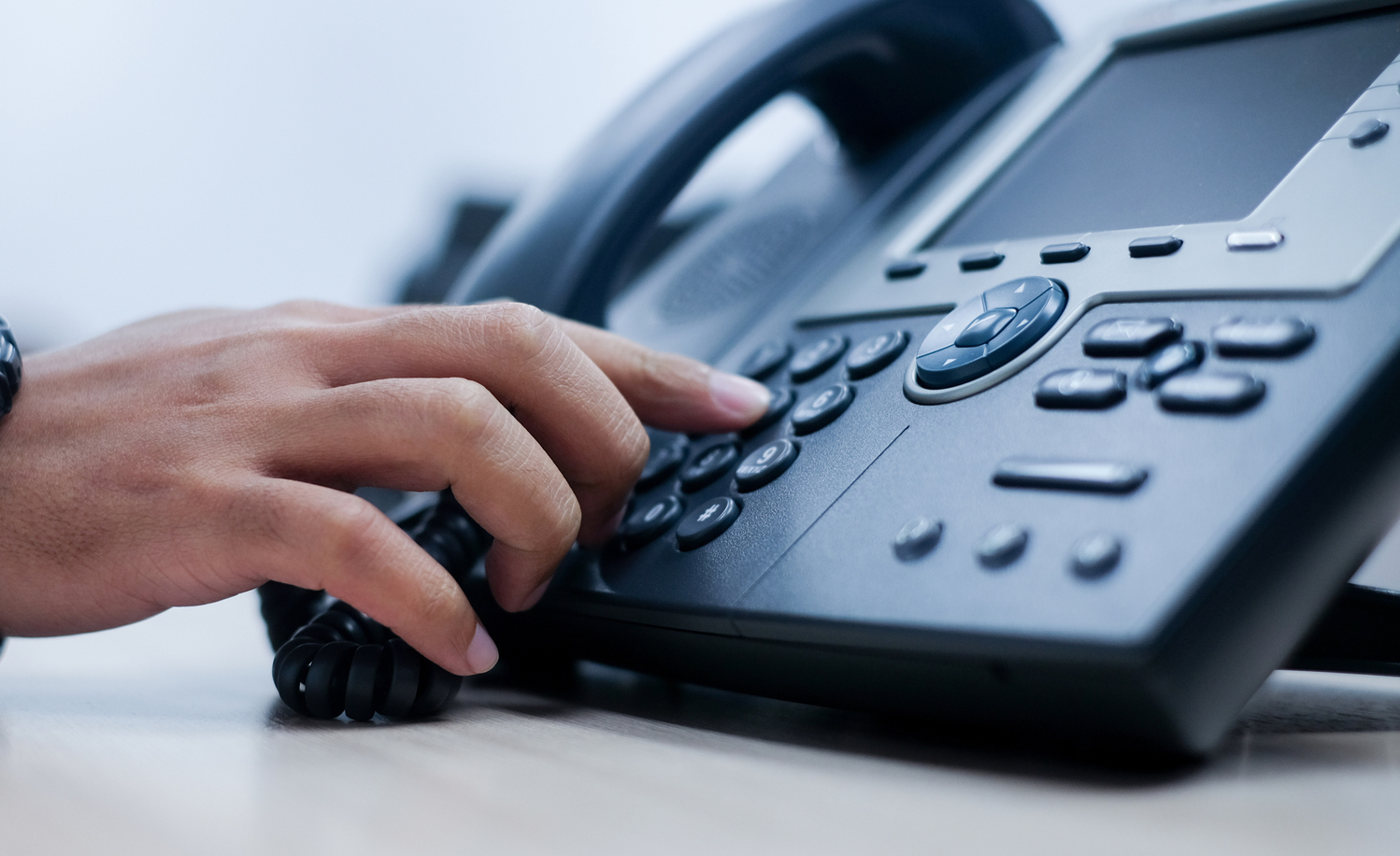
Best Niches for a Home-Based Answering Service Business
One of the biggest mistakes beginners make is trying to serve everyone. While almost any business can benefit from better call handling, your marketing will be much stronger if you choose a niche.
1. Home Service Contractors
Plumbers, electricians, HVAC technicians, roofers, landscapers, pest control companies, garage door repair companies, cleaners, and handyman businesses often miss calls because they are working in the field. Many of their calls are urgent. If a customer has a leaking pipe or a broken furnace, they want a fast response.
For these clients, your answering service can provide call screening, job intake, emergency dispatch, appointment scheduling, and lead capture. You can also help them separate urgent calls from routine inquiries.
2. Medical and Dental Offices
Medical and dental offices may need after-hours coverage, appointment requests, urgent message routing, cancellation handling, and patient call screening. However, this niche requires extra care because patient information may be protected under HIPAA. If you serve medical clients, learn about HIPAA business associate requirements from the U.S. Department of Health and Human Services and be prepared to sign a Business Associate Agreement when appropriate.
Medical answering can be profitable, but it is not the best niche for someone who wants a casual side hustle. You need secure systems, careful procedures, training, and strong documentation.
3. Law Firms
Small law firms and solo attorneys may need help answering calls from potential clients, screening case inquiries, scheduling consultations, and routing urgent matters. A missed call can mean a missed client.
Legal clients often value professionalism, confidentiality, accuracy, and fast intake. If you serve this niche, you may want to create intake scripts for different practice areas such as family law, personal injury, immigration, estate planning, criminal defense, or business law.
4. Real Estate Agents and Property Managers
Real estate professionals are often in showings, inspections, closings, or client meetings. Property managers may receive calls from tenants, landlords, contractors, and prospective renters.
Your service can help with showing requests, maintenance calls, rental inquiries, vendor coordination, and urgent tenant issues.

5. Wellness, Beauty, and Personal Services
Massage therapists, med spas, salons, personal trainers, coaches, and wellness practitioners often need help with appointment requests and client questions. Many are solo operators who cannot answer the phone during sessions.
Your answering service can help them book appointments, reduce no-shows, respond to basic questions, and make the business feel more professional.
6. Ecommerce and Online Businesses
Online sellers may need help with order questions, shipping inquiries, returns, product availability, and customer support. While much of ecommerce support happens through email and chat, some customers still prefer calling.
This niche may require integration with help desk software, ecommerce platforms, or order management tools.
7. Pet Businesses
Pet groomers, dog trainers, dog walkers, pet sitters, dog bakeries, and boarding facilities often serve customers who want fast, personal communication. Pet owners may call with questions about availability, pricing, appointments, emergencies, or special instructions.
For more pet-related business ideas, PowerHomeBiz has resources such as its pet business articles, which can also inspire niche targeting for an answering service.
Skills You Need to Succeed
You do not need a college degree to start an answering service business, but you do need strong communication and organizational skills. Clients are trusting you with their first impression, customer relationships, and sometimes urgent situations.
Important skills include:
- A clear, pleasant, professional phone voice
- Good listening skills
- Accurate message-taking
- Fast typing
- Good grammar and spelling
- Calmness under pressure
- Ability to follow scripts and instructions
- Customer service judgment
- Confidentiality
- Reliability
- Basic technology skills
- Time management
- Attention to detail
Your job is not merely to answer the phone. Your job is to represent another business well. A caller should feel that someone helpful, competent, and trustworthy has answered.

Startup Costs for an Answering Service Business
One advantage of an answering service business is that you can start small. You do not need a storefront, expensive inventory, or a large staff in the beginning. However, you should still plan your costs carefully. The U.S. Small Business Administration recommends calculating startup costs so you can estimate profitability, request funding if needed, and understand what it will take to launch.
Here are common startup expenses:
| Expense | What It Covers |
|---|---|
| Business registration | DBA, LLC, or other business formation costs |
| Business license or permit | Local or state requirements, depending on your location |
| Website and domain | Basic service website, hosting, email address |
| Business phone system | VoIP, call forwarding, call routing, voicemail |
| Computer | Reliable laptop or desktop |
| Headset | Noise-canceling headset for professional calls |
| Internet service | Reliable high-speed internet, ideally with backup |
| Call handling software | Call logs, scripts, client notes, recordings if appropriate |
| Scheduling software | Calendly, Google Calendar, client booking tools, or industry software |
| CRM or client database | Tracking leads, clients, notes, and follow-ups |
| Cybersecurity tools | Password manager, antivirus, secure file storage, two-factor authentication |
| Insurance | General liability, professional liability, cyber liability if needed |
| Marketing | Website copy, local SEO, business cards, email outreach, directories |
| Training | Customer service, HIPAA training if serving medical clients, sales training |
A very lean home-based operation may begin with a few hundred to a few thousand dollars, depending on the software and services you choose. A more professional setup with a website, business formation, insurance, paid software, and marketing budget may cost more.
For additional planning help, see PowerHomeBiz’s free sample business plans and the SBA’s guide on how to write a business plan.
Equipment and Software You Need
You can start an answering service from home with a fairly simple setup, but reliability matters. Clients are paying you to be available when they are not.
At minimum, you will need:
- A quiet home office
- Reliable computer
- High-speed internet
- Backup internet option, such as a mobile hotspot
- Business VoIP phone system
- Quality headset
- Business email address
- Client intake form
- Call scripts
- Shared calendar or scheduling tool
- Secure password manager
- Basic CRM or spreadsheet
- Call logging system
- Backup power option if your area has outages
You should also create a professional workspace. Since your voice and focus are central to the business, avoid background noise, interruptions, barking dogs, television, or household activity during calls. PowerHomeBiz’s home office setup checklist can help you decide what to buy first and what can wait.
As your business grows, you may want more advanced tools, such as:
- Multi-client call routing
- Caller ID by client
- Call recording with proper consent
- AI call summaries
- Secure messaging
- Help desk software
- Client portals
- Team scheduling
- Performance dashboards
- Quality monitoring
- Industry-specific integrations
Start simple, but choose tools that can grow with you.

Legal and Compliance Considerations
An answering service business is relatively simple to start, but it still involves legal, tax, privacy, and compliance responsibilities.
Choose a Business Structure
You can start as a sole proprietor, but many business owners consider forming an LLC because it can separate business and personal liability. The right structure depends on your state, tax situation, risk level, and growth plans. The SBA explains that your business structure affects taxes, paperwork, liability, and funding options. You can also review PowerHomeBiz’s guide to choosing an LLC structure for your business.
Register Your Business and Get an EIN
Depending on your location, you may need to register your business name, form an entity, obtain a local business license, or apply for permits. The SBA provides guidance on how to apply for licenses and permits. You may also need an Employer Identification Number. The IRS allows business owners to apply for an EIN online for free.
Check Zoning and Home-Based Business Rules
Because you are operating from home, check local zoning rules, HOA restrictions, and business license requirements. An answering service usually does not bring customer traffic to your home, but you still need to confirm what is allowed in your city, county, or state.
Get Insurance
At minimum, consider general liability insurance and professional liability or errors and omissions coverage. If you handle sensitive information, you may also need cyber liability insurance. If you hire employees, workers’ compensation requirements may apply. PowerHomeBiz has a helpful insurance section covering business insurance for entrepreneurs and small businesses, including topics related to home-based businesses.
Protect Client Data
You may handle names, phone numbers, addresses, appointment details, medical information, legal inquiries, customer complaints, payment-related questions, or other sensitive information. The Federal Trade Commission’s Start with Security guidance is a useful resource for understanding practical data security principles.
At a minimum:
- Use strong passwords and two-factor authentication
- Keep client notes in secure systems
- Limit access to sensitive information
- Avoid storing unnecessary personal data
- Encrypt devices when possible
- Use secure Wi-Fi
- Keep software updated
- Create clear data retention policies
- Train anyone who helps you
Understand HIPAA if Serving Medical Clients
If you answer calls for doctors, dentists, therapists, clinics, home health providers, or other healthcare businesses, you may handle protected health information. HHS explains that a business associate is a person or entity performing certain services involving protected health information on behalf of a covered entity. Medical clients may require you to sign a Business Associate Agreement and follow specific privacy and security practices.
Do not advertise yourself as HIPAA-compliant unless you have the proper systems, training, contracts, and safeguards in place.
Be Careful With Outbound Calling
If you offer outbound appointment setting, sales calls, lead generation, surveys, or telemarketing, you may need to comply with the FTC’s Telemarketing Sales Rule, the National Do Not Call Registry rules, state telemarketing rules, and FCC TCPA requirements. The FCC has guidance explaining that certain calls or texts using autodialers, artificial voices, prerecorded voices, or automated systems require consent.
Inbound answering is usually simpler than outbound telemarketing. If you are new, consider focusing first on inbound call answering, appointment scheduling, and message taking.

How to Price an Answering Service Business
Pricing can make or break your business. Charge too little and you may end up overwhelmed, underpaid, and unable to provide good service. Charge too much without a clear value proposition and small businesses may hesitate.
Common pricing models include:
Monthly Retainer
The client pays a fixed monthly fee for a defined service package. For example, you might charge a monthly rate for up to a certain number of calls or minutes.
This model gives you predictable income and helps clients budget.
Per-Minute Pricing
The client pays based on the number of minutes you spend handling calls. This is common in the answering service industry because some calls take 30 seconds while others take several minutes.
Per-Call Pricing
The client pays a set amount per call. This can work for simple message-taking, but it may be less ideal if calls vary widely in length or complexity.
After-Hours Package
You answer calls only after the client’s normal business hours. This can be attractive to contractors, medical offices, property managers, and other businesses that need evening, weekend, or emergency coverage.
Appointment-Setting Package
You answer calls, qualify the caller, and schedule appointments using the client’s calendar. This can command higher pricing because you are helping the client convert callers into booked business.
Industry-Specific Package
A legal intake package, medical after-hours package, contractor dispatch package, or real estate lead capture package can be priced higher than generic message-taking because it requires more specialized scripts and procedures.
Example Pricing Scenario
Suppose you offer an after-hours answering package for small home service businesses at $249 per month for a defined call volume. If you sign 10 clients, that creates $2,490 in monthly gross revenue before software, taxes, insurance, labor, and other expenses.
If you offer a more involved appointment-setting service at $399 per month and sign 10 clients, that creates $3,990 in monthly gross revenue.
These examples are not guarantees. Your actual income depends on pricing, call volume, client retention, hours worked, staffing costs, software expenses, and how efficiently you operate.
How to Create Your Service Packages
Instead of offering one vague service, create clear packages. This makes your business easier to understand and easier to sell.
Starter Message-Taking Package
Best for solo entrepreneurs and small businesses that only need basic coverage.
Includes:
- Answering calls during agreed hours
- Taking messages
- Sending messages by email or text
- Basic caller information capture
Virtual Receptionist Package
Best for businesses that want a more professional front-office experience.
Includes:
- Personalized greeting
- Call screening
- Basic FAQ responses
- Appointment scheduling
- Call transfer
- CRM notes or call summaries
After-Hours Coverage Package
Best for contractors, property managers, medical offices, and emergency service providers.
Includes:
- Evening and weekend coverage
- Urgent call identification
- Emergency escalation procedures
- On-call staff notification
- Non-urgent message delivery next business day
Appointment-Setting Package
Best for service businesses that rely on booked consultations or estimates.
Includes:
- Caller qualification
- Calendar scheduling
- Appointment confirmation
- Intake questions
- Reminder support if offered
Medical or Legal Intake Package
Best for professional practices that require careful scripts and confidentiality.
Includes:
- Industry-specific call handling
- Secure message delivery
- Detailed intake forms
- Escalation protocols
- Compliance-focused procedures
Do not promise more than you can deliver. It is better to start with a narrow, reliable service than to offer every possible call center function before you have the systems to support it.

How to Find Clients for Your Answering Service
Finding clients is usually harder than setting up the phone system. Many people can answer calls. Fewer people can consistently find businesses willing to pay for that service.
Start With a Specific Target Market
Choose one or two niches first. For example:
- “After-hours answering for plumbers and HVAC companies”
- “Virtual receptionist services for solo law firms”
- “Call answering and appointment scheduling for med spas”
- “Phone support for small ecommerce stores”
- “Overflow call answering for cleaning companies”
A specific message is easier to market than “I answer phones for businesses.”
Build a Simple Website
Your website does not need to be complicated. It should explain:
- Who you serve
- What problem you solve
- What services you offer
- What makes you reliable
- How pricing works or how to request a quote
- How to contact you
- Testimonials when available
Include pages or sections for each niche you serve. For example, create one section for contractors, one for medical offices, and one for law firms if those are your target markets.
Use Local SEO
Many small businesses prefer working with someone local or regional, even if the service is virtual. Create a Google Business Profile if eligible, optimize your website for local search terms, and build pages around the industries and locations you serve. PowerHomeBiz has advice on affordable marketing ideas for small businesses, including low-cost ways to build visibility.
Reach Out Directly
Build a list of 100 local businesses in your target niche. Look for businesses where missed calls are costly, such as contractors, clinics, law firms, real estate agents, mobile service providers, and appointment-based businesses.
Send a short email or call with a simple message:
“Hi, I help small [industry] businesses answer missed calls, capture leads, and schedule appointments when they are busy or after hours. Do you currently have someone answering calls when your team is unavailable?”
Keep the pitch focused on the business owner’s problem, not your desire to start a business.
Network Locally
Chambers of commerce, local business associations, BNI groups, contractor associations, real estate groups, and community events can all help you meet potential clients. PowerHomeBiz’s section on getting customers is a useful resource for small business owners who need practical ways to attract clients.
Ask for Referrals
Once you have a happy client, ask for referrals. A plumber may know other contractors. A real estate agent may know property managers. A lawyer may know other attorneys. Word-of-mouth can be powerful for a service built on trust. PowerHomeBiz also has a guide to word-of-mouth marketing for small businesses.
Offer a Trial Period
You can offer a limited trial, such as two weeks of discounted after-hours coverage or a starter package for a small number of calls. Be careful not to work for free indefinitely. The goal is to let the client experience the value of your service, not to train them to expect unpaid labor.
How to Onboard New Clients
A smooth onboarding process will make your service look professional from the beginning.
Create a client intake form that asks for:
- Business name
- Main contact person
- Business hours
- After-hours rules
- Common caller questions
- Services offered
- Service areas
- Appointment scheduling process
- Emergency definitions
- Staff contact list
- Escalation procedures
- Preferred message delivery method
- Calendar access instructions
- CRM or software access
- Words or phrases to avoid
- Brand voice preferences
- Refund, cancellation, or pricing policies
- Compliance requirements
You should also create call scripts for each client. A good call script includes:
- Greeting
- Caller name and phone number
- Reason for calling
- Basic qualifying questions
- Appointment options
- Emergency routing instructions
- Closing statement
- Message delivery process
For example:
“Thank you for calling Green Valley Plumbing. This is Angela. How may I help you today?”
Then follow the client’s instructions. The goal is to sound natural, not robotic.
Quality Control: How to Keep Clients Happy
Your clients are paying for peace of mind. They want to know calls are being answered correctly, messages are accurate, and customers are treated well.
Track:
- Number of calls answered
- Missed calls
- Average response time
- Messages delivered
- Appointments booked
- Urgent calls escalated
- Caller complaints
- Client feedback
- Common questions
- Call outcomes
Send clients a simple monthly report. Even a basic summary can show value:
“This month, we answered 64 calls, booked 18 appointments, escalated 3 urgent calls, and captured 9 new customer inquiries.”
This helps clients understand what they are paying for and can improve retention.

Common Mistakes to Avoid
Trying to Serve Everyone
A general answering service is harder to market. A niche service is easier to explain and sell.
Underpricing Your Time
Call answering sounds simple until you are juggling multiple clients, urgent calls, different scripts, scheduling tools, and message delivery rules. Price for the responsibility you are taking on.
Ignoring Compliance
Medical, legal, financial, and telemarketing-related calls can involve privacy and regulatory concerns. Learn the rules before serving sensitive industries.
Using Unreliable Technology
If your internet fails, your headset breaks, or your call software is confusing, your service suffers. Reliability is part of your product.
Failing to Document Client Instructions
Do not rely on memory. Every client should have written instructions, scripts, escalation rules, and contact preferences.
Taking Too Many Clients Too Quickly
Growth is good, but poor service can damage your reputation. Add clients gradually and improve your systems as you go.
Sounding Like an Outsider
Your goal is to represent the client’s business professionally. Learn their services, tone, policies, and customer expectations.
30-Day Launch Plan
Week 1: Choose Your Niche and Define Your Offer
Pick one or two target industries. Research their call-answering needs. Decide whether you will offer message-taking, virtual receptionist service, after-hours coverage, appointment scheduling, or emergency dispatch.
Write down your service packages and what is included in each.
Week 2: Set Up Your Business Basics
Choose your business name, check registration requirements, decide on a business structure, apply for an EIN if needed, set up a business bank account, and create your basic home office setup. Check local licensing and zoning rules.
Set up your phone system, email address, scheduling tools, and client intake forms.
Week 3: Build Your Website and Sales Materials
Create a simple website with a homepage, services section, target niche section, pricing or quote request section, and contact form. Write a short introduction email. Create a one-page service overview you can send to prospects.
Prepare call scripts, onboarding forms, and a sample monthly report.
Week 4: Start Outreach
Build a list of 100 prospects in your target niche. Send direct emails, make calls, connect on LinkedIn, attend a local networking event, and reach out to business owners you already know.
Offer a paid trial or starter package. After each conversation, follow up professionally.
Your first goal is not to build a huge company. Your first goal is to sign one good client, serve them well, learn from the process, and use that experience to sign the next one.
Can You Run an Answering Service Alone?
You can start alone, but there are limits. If you answer calls only during specific hours for a few clients, a solo operation may work. However, if you promise 24/7 service, emergency dispatch, or high call volume, you will eventually need help.
Before hiring, document your processes. Create scripts, client instructions, training materials, quality standards, and privacy rules. Anyone who helps you must understand that they are representing your clients’ businesses.
If you hire employees or contractors, check labor laws, tax requirements, confidentiality agreements, and insurance needs. You may also need workers’ compensation coverage, depending on your state.
How Much Can You Earn?
Earnings vary widely. A small solo answering service may begin as a part-time business earning a few hundred dollars per month from one or two clients. A more established operation with multiple clients, higher-value niches, and additional operators can grow into a full-time business.
Your income depends on:
- Number of clients
- Pricing model
- Call volume
- Hours covered
- Niche
- Software costs
- Labor costs
- Marketing costs
- Client retention
- Efficiency of your systems
To estimate your revenue, start with a simple projection:
- 5 clients at $249/month = $1,245/month gross revenue
- 10 clients at $249/month = $2,490/month gross revenue
- 20 clients at $249/month = $4,980/month gross revenue
If you offer higher-value packages at $399, $599, or more per month, your revenue can increase, but so will the level of service expected.
Always calculate profit, not just revenue. Include software, taxes, insurance, marketing, phone systems, contractors, and your own time.

Tax Considerations for a Home-Based Answering Service
As a self-employed business owner, you may need to file business income and expenses on Schedule C, pay self-employment tax, make estimated tax payments, and keep detailed records. The IRS has guidance on the business use of home, including deductible expenses for qualifying home office use.
If you use part of your home regularly and exclusively for business, you may be eligible for a home office deduction. However, tax rules can change, and your situation may be different from another business owner’s. Work with a qualified tax professional if you are unsure.
If your business grows, you may also want to explore self-employed retirement options. The IRS explains that a SEP plan can be established by a business of any size, including self-employed individuals, and the IRS publishes current SEP contribution limits.
Is an Answering Service Business Right for You?
An answering service business may be a good fit if you enjoy helping people, communicate clearly, can stay organized, and are dependable. It is especially appealing if you want a home-based service business with low startup costs and recurring monthly revenue potential.
However, it is not completely passive. You must be available when promised, handle calls professionally, protect client information, follow instructions, and manage interruptions. You may also deal with upset callers, urgent situations, complicated client preferences, and occasional technology problems.
This business works best for someone who is patient, detail-oriented, calm, and willing to build systems.
Conclusion
Starting an answering service business from home is not the same opportunity it was decades ago. The old model of separate phone lines, switchboards, and paper message slips has largely been replaced by cloud-based phone systems, virtual receptionist tools, scheduling software, secure messaging, and niche service packages.
But the core need remains the same: businesses do not want to miss important calls.
If you can help small businesses answer calls promptly, capture leads, schedule appointments, handle urgent messages, and provide a professional customer experience, you can build a useful and profitable service. Start with one niche, create clear packages, set up reliable systems, understand your compliance obligations, and focus on delivering excellent service.
The businesses that need you most are often the ones too busy to answer the phone. Your opportunity is to become the trusted voice that helps them serve customers better and grow.
FAQs (Frequently Asked Questions)
What is a home-based answering service business?
A home-based answering service business is a service business where you answer calls on behalf of other companies from your own home office. Depending on the client, you may take messages, schedule appointments, screen urgent calls, provide basic information, forward calls, or dispatch emergencies. Today’s answering service business often operates more like a virtual receptionist service using cloud phone systems, call scripts, scheduling software, and secure message delivery. The clients are usually small businesses that cannot afford a full-time receptionist, need after-hours coverage, or lose leads when they miss calls during busy periods.
How much does it cost to start an answering service business?
Startup costs depend on how professional and specialized your setup needs to be. A very small home-based answering service can start with a computer, high-speed internet, a headset, business phone software, a website, and basic marketing materials. However, you should also budget for business registration, licenses or permits, insurance, cybersecurity tools, scheduling software, and possibly legal or accounting help. If you serve medical, legal, or other sensitive industries, your costs may be higher because you may need more secure systems, compliance training, and specialized procedures. The best approach is to calculate both one-time startup costs and monthly operating costs before setting your prices.
Do I need special software to start an answering service?
You do not necessarily need expensive call center software when you are just starting, but you do need reliable tools. At minimum, you need a business phone system or VoIP service, a way to identify which client is receiving the call, a method for logging calls, and a secure way to deliver messages. As you grow, specialized answering service software can help with call routing, scripts, client profiles, call recording, reporting, and team management. You may also need scheduling tools, CRM software, password management, secure document storage, and backup internet. The more clients you serve, the more important organized software becomes.
Can I start an answering service business by myself?
Yes, you can start by yourself if you limit your services and hours. For example, you might provide daytime overflow coverage for two or three small businesses, or after-hours message-taking for a small group of clients. However, a solo operator cannot realistically promise 24/7 coverage, high call volume, or emergency dispatch without backup. If you plan to grow, create systems from the beginning so another trained person can eventually help. This includes written scripts, client instructions, escalation rules, privacy policies, and quality standards. Starting alone is possible, but scaling requires structure.
What types of businesses need answering services?
Many small businesses need answering services, especially those where missed calls mean missed revenue. Good prospects include plumbers, electricians, HVAC companies, roofers, landscapers, pest control companies, cleaning businesses, law firms, medical and dental offices, real estate agents, property managers, med spas, therapists, coaches, ecommerce stores, and pet service businesses. The best clients are usually busy, appointment-driven, service-based businesses that receive calls while they are working with customers, out in the field, or unavailable after hours. Instead of marketing to everyone, choose a niche and create services around that industry’s specific call-handling needs.
Do answering service businesses need to follow HIPAA?
Only certain answering service businesses need to deal with HIPAA. If you answer calls for healthcare providers and handle protected health information, HIPAA may apply. In that case, the healthcare provider may require a Business Associate Agreement, and you will need appropriate privacy and security safeguards. This can include secure systems, staff training, access controls, confidentiality procedures, and careful message handling. If you are new to the business and do not understand HIPAA, it may be better to begin with non-medical clients first. Do not claim to be HIPAA-compliant unless you have properly implemented the necessary safeguards and documentation.
How do I get my first answering service clients?
Start by choosing a specific target market, such as home service contractors, solo attorneys, med spas, or property managers. Build a simple website that explains what you do, who you help, and how your service prevents missed calls and lost opportunities. Then create a list of local prospects and contact them directly by email, phone, LinkedIn, or networking events. Your message should focus on the business owner’s pain point: missed calls, after-hours inquiries, appointment requests, and lost leads. Offer a simple starter package or limited trial, but avoid working for free indefinitely. Once you serve your first client well, ask for testimonials and referrals.
Is an answering service the same as a virtual assistant business?
An answering service can overlap with a virtual assistant business, but they are not identical. A virtual assistant may handle email, scheduling, data entry, travel planning, social media, invoicing, customer support, and administrative tasks. An answering service focuses mainly on phone calls, message-taking, call routing, appointment scheduling, and customer communication. Some business owners combine the two by offering virtual receptionist services as part of a broader virtual assistant business. However, if you want to rank for answering-service-related searches and attract clients with urgent call needs, it is usually better to present the service clearly as call answering, virtual receptionist support, or after-hours answering.
Your article helped me a lot, is there any more related content? Thanks!