


Starting a cleaning business can be rewarding for entrepreneurs looking to tap into a growing service industry with high demand. Whether you’re interested in residential, commercial, or specialized cleaning, there are various avenues to explore.
In this comprehensive guide, we’ll delve into the steps involved in starting a cleaning business and outline the types of cleaning businesses you can consider.
Table of Contents
Growth of the Cleaning Business Industry
The cleaning business is a sizable industry that continues to experience significant growth in recent years. According to the study by Grand View Research, the global cleaning services market size was valued at USD 370.56 billion in 2022 and is expected to grow at a compound annual growth rate (CAGR) of 6.6% from 2023 to 2030. This steady growth is driven by increasing dual-income households, busy lifestyles, and heightened awareness of cleanliness and hygiene.
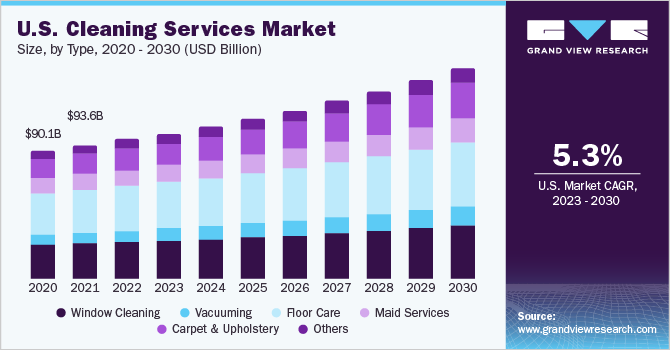
One key driver of this growth is the increasing demand for cleaning services across residential and commercial sectors. With changing lifestyles and busier schedules, many individuals and families are outsourcing their cleaning needs, creating a steady demand for professional cleaning companies. Additionally, businesses and organizations increasingly recognize the importance of maintaining clean and hygienic environments for employees, customers, and visitors, leading to a rise in demand for commercial cleaning services.
Another factor fueling the growth of the cleaning industry is the emergence of specialized cleaning services catering to specific needs and preferences. The cleaning industry encompasses a wide range of services, including residential cleaning, commercial cleaning, janitorial services, specialized cleaning (such as carpet or window cleaning), and industrial cleaning. Customers seek tailored solutions to address their unique cleaning requirements, from carpet and upholstery cleaning to window washing and post-construction cleanup. Collectively, these segments contribute to a substantial market size globally, estimated to be hundreds of billions of dollars annually. This trend has opened up niche markets, allowing cleaning businesses to diversify their offerings and attract a broader customer base.
The cleaning industry is a major employer, providing jobs for millions of individuals worldwide. According to data from the U.S. Bureau of Labor Statistics (BLS), occupations such as janitors, cleaners, and housekeepers constitute a significant portion of the workforce, with steady demand for these roles expected to continue.
Furthermore, advancements in technology and cleaning solutions have played a significant role in driving industry growth. Innovations such as robotic cleaners, high-efficiency cleaning equipment, and eco-friendly cleaning products have improved cleaning services’ efficiency, effectiveness, and sustainability. These technological advancements enhance the quality of cleaning and enable cleaning businesses to streamline operations, reduce costs, and differentiate themselves in a competitive market.
The global expansion of the cleaning industry has also contributed to its growth trajectory. The cleaning industry is not limited to any specific geographical region and has witnessed significant expansion on a global scale. As urbanization accelerates and economies develop, the demand for professional cleaning services also rises in emerging markets. This presents new opportunities for cleaning businesses to expand their reach, enter new markets, and capitalize on the growing demand for cleaning services worldwide.
Overall, the cleaning business industry has demonstrated robust growth driven by increasing demand, diversification of services, technological innovation, and global expansion. As societies emphasize cleanliness, hygiene, and environmental sustainability, the outlook for the cleaning industry remains promising, with ample opportunities for entrepreneurs and established companies to thrive and innovate.
As such, starting a cleaning business presents ample opportunities for aspiring entrepreneurs.

Doing Market Research and Planning
Before launching your cleaning business, conducting thorough market research is essential to understand the demand for cleaning services in your area.
Market research and planning are crucial when starting a cleaning business because they lay the foundation for success and informed decision-making. Conducting thorough market research allows you to gain valuable insights into the local demand for cleaning services, know your target market, identify potential competitors, decide on potential niche opportunities, and understand the needs and preferences of target customers. By analyzing market trends, demographics, and consumer behavior, aspiring cleaning business owners can tailor their services to meet market needs and differentiate themselves from competitors.
Moreover, effective planning enables entrepreneurs to develop a clear roadmap for their business, outlining goals, strategies, and action plans for success. This includes defining the scope of services, establishing pricing strategies, creating marketing campaigns, and projecting financial forecasts.
By investing time and effort in market research and planning, cleaning business owners can minimize risks, capitalize on opportunities, and position their businesses for long-term growth and profitability in a competitive industry.

Legal Considerations and Licensing
Legal considerations and licensing requirements for a cleaning business vary depending on the type of cleaning services offered and the business’s jurisdiction. Check with your state and county business regulation offices for the requirements for starting your cleaning business.
All cleaning businesses must generally adhere to certain legal requirements to operate legally and ensure compliance with regulations. For residential cleaning businesses, the primary legal considerations may include registering the business name, obtaining necessary permits or licenses, and ensuring compliance with local zoning ordinances. You may also need to register for a fictitious business name (DBA) if you choose to operate under a name other than your own.
Some jurisdictions may also require background checks or certification for employees who work in residential properties, particularly if they handle sensitive information or enter clients’ homes unsupervised.
For commercial cleaning businesses, additional legal considerations, such as liability insurance and bonding, may come into play. Liability insurance protects the business in case of accidents, damages, or negligence claims while cleaning services on commercial properties. Workers’ compensation insurance may also be required if you hire employees.
While not mandatory, obtaining bonding can provide additional financial protection for your clients in case of theft or property damage by your employees.
Depending on the size and scope of commercial cleaning contracts, businesses may also need to comply with industry-specific regulations or standards, particularly in healthcare or food service sectors.
Register with your state tax department to obtain a sales tax permit if you sell taxable cleaning services. You may also need to obtain an Employer Identification Number (EIN) from the IRS if you hire employees.
Specialized cleaning businesses, such as those offering carpet cleaning, window cleaning, or biohazard cleanup, may face unique legal considerations based on the nature of their services. For example, businesses that handle hazardous materials or chemicals may need to obtain special permits or licenses, undergo training or certification, and follow strict safety protocols to ensure compliance with environmental regulations and occupational health and safety standards.
Additionally, businesses that offer green cleaning services may need to verify the eco-friendliness of their products and practices to meet sustainability requirements and consumer expectations.
The legal considerations and licensing requirements for a cleaning business encompass a range of factors, including business registration, permits or licenses, insurance, bonding, and compliance with industry-specific regulations. By understanding and addressing these legal considerations within the context of their specific type of cleaning business, entrepreneurs can establish a legal framework that protects their business, employees, clients, and the environment while ensuring compliance with applicable laws and regulations.
Ensure you comply with all legal requirements for starting a business in your locality. Consider consulting with a legal professional to ensure full compliance.

Choosing Your Cleaning Niche
There are several types of cleaning businesses you can explore, each catering to specific clientele and needs:
- Residential Cleaning: Focuses on cleaning homes and apartments. Services may include regular housekeeping, deep cleaning, move-in/move-out cleaning, and post-construction cleaning.
- Commercial Cleaning: Targets businesses and commercial establishments such as offices, retail stores, restaurants, and healthcare facilities. Commercial cleaning services often entail janitorial duties, floor maintenance, and specialized cleaning for different industries.
- Specialized Cleaning Services: This niche offers specialized cleaning services tailored to unique needs. Examples include carpet cleaning, window cleaning, upholstery cleaning, pressure washing, and biohazard cleanup.
- Green Cleaning: With growing environmental awareness, there’s a rising demand for eco-friendly cleaning services. Green cleaning businesses use environmentally safe products and practices to minimize environmental impact.
Choosing the right cleaning niche is crucial when starting a cleaning business for several reasons. First and foremost, selecting a niche allows you to specialize in specific types of cleaning services tailored to the needs and preferences of your target market. By focusing on a niche, you can differentiate your business from competitors and position yourself as an expert. This specialization enables you to develop specialized skills, knowledge, and equipment suited to the demands of your chosen niche, thereby enhancing the quality of your services and customer satisfaction.
Moreover, targeting a specific cleaning niche can help you narrow your marketing efforts and effectively reach potential clients requiring those services. By understanding your target market’s unique needs and pain points within your niche, you can tailor your marketing messages and strategies to resonate with them, leading to higher conversion rates and a stronger competitive advantage.
Additionally, specializing in a niche can lead to higher profitability and growth opportunities for your cleaning business. Niche markets often have less competition compared to broader segments of the cleaning industry, allowing you to command higher prices for specialized services and attract clients willing to pay for premium solutions. Furthermore, as you become known for your expertise in your chosen niche, you may gain referrals and repeat business, leading to long-term success and sustainability for your cleaning business.
Choosing the right cleaning niche is essential for establishing a focused and successful cleaning business. By selecting a niche that aligns with your strengths, interests, and market demand, you can differentiate your business, attract the right clients, and position yourself for growth and profitability in the competitive cleaning industry.
Getting Equipment and Supplies
When starting a cleaning business, investing in high-quality cleaning equipment and supplies tailored to your chosen niche is essential.
Firstly, quality equipment and supplies are crucial for delivering excellent cleaning results and meeting the expectations of your clients. Whether you specialize in residential, commercial, or specialized cleaning services, using professional-grade equipment ensures thorough cleaning, efficient operations, and consistent performance. Tailoring your equipment and supplies to your chosen niche allows you to effectively address specific cleaning challenges and requirements, whether deep carpet cleaning, window washing, or eco-friendly cleaning solutions.
Secondly, high-quality cleaning equipment and supplies contribute to your clients’ and employees’ safety and well-being. Quality equipment is designed to meet safety standards and reduce the risk of accidents or injuries during cleaning operations. For example, using well-maintained vacuum cleaners with proper filtration systems can improve indoor air quality and minimize exposure to allergens and airborne particles. Investing in ergonomic tools and equipment can enhance comfort and reduce strain for your cleaning staff, leading to higher productivity and job satisfaction.
Moreover, using high-quality equipment and supplies can positively impact the reputation and credibility of your cleaning business. Clients are more likely to trust and value the services of a cleaning company that uses professional-grade equipment and proven cleaning methods. By consistently delivering exceptional results with quality tools and supplies, you can build a reputation for reliability, professionalism, and customer satisfaction, leading to repeat business and positive referrals.
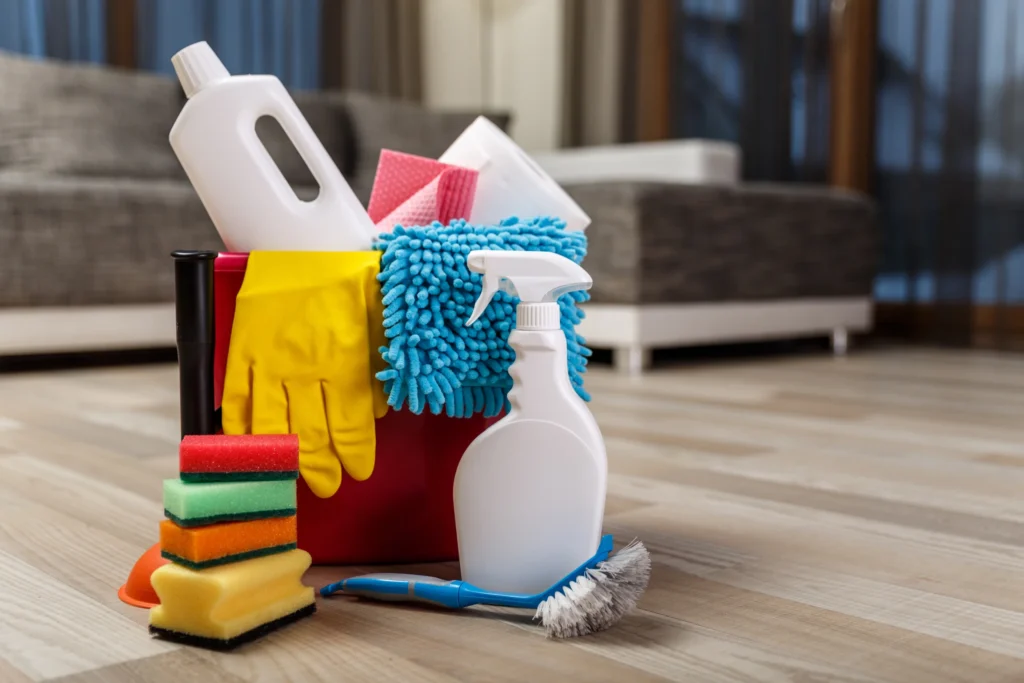
Here’s a list of equipment and supplies needed to start a cleaning business:
Basic Cleaning Equipment:
- Vacuum cleaner (upright or canister)
- Mop bucket and wringer
- Mops (wet and dry)
- Broom and dustpan
- Microfiber cloths or rags
- Scrub brushes (varying sizes)
- Squeegee (for window cleaning)
- Dusting tools (feather duster, microfiber duster)
- Trash bags (various sizes)
- Spray bottles for cleaning solutions
Cleaning Solutions and Chemicals:
- All-purpose cleaner
- Glass cleaner
- Disinfectant cleaner
- Floor cleaner
- Bathroom cleaner
- Stainless steel cleaner
- Wood cleaner (if servicing hardwood floors)
- Carpet cleaner (for spot cleaning or extraction)
- Tile and grout cleaner
- Eco-friendly or green cleaning products (optional for clients with environmental preferences)
Personal Protective Equipment (PPE):
- Gloves (latex, nitrile, or rubber)
- Safety goggles
- Face masks or respirators (for handling chemicals)
- Apron or protective clothing
Specialized Equipment (if offering specialized services):
- Carpet extractor (for deep carpet cleaning)
- Floor buffer or scrubber
- Pressure washer (for outdoor cleaning)
- Steam cleaner (for sanitizing surfaces)
- Window cleaning kit (squeegee, extension poles, window cleaning solution)
Miscellaneous Supplies:
- Extension cords
- Cleaning caddies or carts
- Bucket organizers
- Step ladder or step stool
- Labels for cleaning solution bottles
- First aid kit
- Client communication materials (business cards, invoices, contracts)
- Scheduling and billing software (for managing appointments and invoicing)
Optional Equipment and Supplies:
- An air purifier or odor neutralizer
- Upholstery cleaning tools (upholstery brush, fabric cleaner)
- High-quality vacuum attachments (crevice tool, upholstery tool)
- Cleaning checklist or inspection form
- Branding and marketing materials (uniforms, vehicle decals, flyers)
It’s essential to invest in high-quality equipment and supplies to deliver excellent cleaning results and ensure the safety of both your clients and employees. Consider your target market, types of services offered, and budget when purchasing equipment and supplies for your cleaning business. Additionally, regularly maintain and replace equipment to uphold professional standards and optimize efficiency.
In summary, investing in high-quality cleaning equipment and supplies tailored to your chosen niche is essential for delivering superior cleaning results, ensuring the safety of your clients and employees, and enhancing the reputation and credibility of your cleaning business. By prioritizing quality and professionalism from the outset, you can position your cleaning business for long-term success and growth in a competitive industry.

Marketing and Branding
Marketing a cleaning business is crucial for several reasons. Firstly, effective marketing helps raise awareness of your cleaning services among potential clients, ensuring your business remains visible in a competitive marketplace. By promoting your brand through various channels, such as online platforms, social media, and local advertising, you can reach a broader audience and attract new customers who may need your cleaning services.
Secondly, marketing lets you communicate your unique value proposition and differentiate your cleaning business from competitors. Whether you offer specialized cleaning services, use eco-friendly products, or prioritize customer satisfaction, marketing provides an opportunity to highlight what sets your business apart and why clients should choose you over other options.
Moreover, consistent marketing efforts help to build credibility and trust in your cleaning business. You can demonstrate your expertise, reliability, and track record of excellent results by showcasing positive testimonials, before-and-after photos, and case studies. This builds confidence in potential clients and encourages them to engage with your services.
Here are some key marketing strategies to consider for your cleaning business:
- Create a Professional Website: Establish an online presence by creating a professional website that showcases your services, pricing, and contact information. Optimize your website for search engines to improve visibility and attract organic traffic.
- Utilize Local SEO: Optimize your online presence for local search by listing your business on Google My Business and other online directories. Ensure that your business name, address, and phone number (NAP) are consistent across all platforms to improve local search rankings.
- Social Media Marketing: Engage with your target audience on social media platforms like Facebook, Instagram, and LinkedIn. Share before-and-after photos, cleaning tips, client testimonials, and promotional offers to attract followers and generate leads.
- Community Engagement: Attend networking events and local networking groups, join industry associations, and participate in community activities to expand your network, showcase your cleaning services, and establish your business as a trusted and reputable provider in the community. By leveraging strategic partnerships and community engagement, you can effectively market your cleaning business, generate leads, and differentiate yourself in the competitive marketplace.
- Direct Mail and Flyers: Design eye-catching flyers and direct mail campaigns to target specific neighborhoods or commercial districts. Highlight your unique selling propositions, such as eco-friendly cleaning products or specialized services, to attract attention and generate leads.
- Offer Promotions and Discounts: Attract new clients and incentivize repeat business by offering promotions, discounts, or referral incentives. Consider offering a free initial cleaning or a discount on recurring services to encourage trial and loyalty.
- Online Reviews and Testimonials: Encourage satisfied clients to leave positive reviews on platforms like Google, Yelp, and Facebook. Respond promptly to positive and negative reviews to demonstrate your commitment to customer satisfaction and reputation management.
- Content Marketing: Establish yourself as an authority in the cleaning industry by creating informative and engaging content such as blog posts, how-to guides, and videos. Share valuable cleaning tips, industry insights, and behind-the-scenes stories to educate and engage your audience.
- Branding and Differentiation: Differentiate your cleaning business from competitors by emphasizing your unique value propositions, such as superior quality, eco-friendly practices, or specialization in niche services. Develop a memorable brand identity, including a logo, color scheme, and voice, to stand out in the market.
- Customer Retention Strategies: Focus on retaining existing clients by providing exceptional service, maintaining open communication, and offering loyalty rewards or subscription plans. Happy clients are more likely to become repeat customers and refer your services to others.
- Customer Referral Program. Implementing a referral program can significantly benefit a cleaning business by leveraging the power of word-of-mouth marketing and incentivizing existing clients to refer new customers. A referral program encourages satisfied clients to share their positive experiences with friends, family, and colleagues, effectively acting as brand ambassadors for your cleaning business. By offering incentives such as discounts, free services, or gift cards for successful referrals, you motivate clients to make referrals and reward them for their loyalty and support.
- Partner with Complementary Businesses. Build relationships with local businesses, real estate agents, property managers, and community organizations to generate referrals and word-of-mouth recommendations and to offer bundled services or cross-promotions. For example, you could partner with real estate agencies, property management companies, or interior designers to offer cleaning services for their property management or home staging packages. By collaborating with businesses that cater to similar target markets or share common clientele, you can expand your reach, access new customer segments, and benefit from mutual referrals and endorsements.
By combining these marketing strategies, you can effectively promote your cleaning business, attract new clients, and build a strong reputation in the competitive cleaning industry. Tailor your marketing approach to your target market, monitor results, and adapt your strategies based on feedback and insights to maximize your marketing efforts’ effectiveness over time.

Hiring and Training Staff
When starting a cleaning business, hiring and training staff are critical steps to ensure the delivery of high-quality services and the success of your venture.
Hiring reliable, punctual, and trustworthy employees is essential, as they will be representing your business and interacting directly with clients. Since cleaning staff often work unsupervised in clients’ homes or businesses, hiring employees who can be trusted to perform their duties responsibly and respectfully is essential.
Look for candidates with relevant experience in the cleaning industry or similar roles. While previous experience isn’t always necessary, candidates with a background in cleaning may require less training and can adapt more quickly to the job. Additionally, assess candidates’ cleaning skills and abilities during the hiring process to ensure they meet the standards expected by clients.
Find individuals with a strong work ethic, attention to detail, and a positive attitude towards customer service. Evaluate candidates’ attitudes and willingness to learn during the hiring process. Look for individuals who demonstrate a strong work ethic, attention to detail, and a positive attitude toward their work and customer service. Employees who take pride in their work and strive to exceed expectations are likelier to deliver high-quality service to clients.
Conduct thorough background checks and interviews to assess their suitability for the role. This includes criminal background and reference checks to verify candidates’ credentials and ensure a clean record. Contact previous employers or references to learn more about candidates’ work history, reliability, and performance on the job.
Cleaning service business owners should consider candidates’ flexibility and availability when hiring staff. Since cleaning schedules may vary based on client needs and seasonal demand, look for candidates willing to work flexible hours, including evenings, weekends, and holidays if required.
Training Your Employees
Once you’ve assembled your team, invest time and resources in comprehensive training to equip them with the necessary skills and knowledge to perform cleaning tasks efficiently and effectively. Provide training on cleaning techniques, safety protocols, proper use of equipment and supplies, and customer service standards. Emphasize the importance of professionalism, reliability, and attention to detail in delivering exceptional service to clients.
Hiring Non-English Speaking Staffers
When hiring staffers who can’t speak English, you should consider several factors to ensure effective communication and successful integration into your cleaning service business:
- Language Support: Provide language support or resources to facilitate communication for non-English-speaking staffers. This may include hiring bilingual supervisors or team members who can assist with translation or providing written instructions and training materials in the employee’s native language.
- Visual and Hands-On Training: Emphasize visual and hands-on training methods to overcome language barriers. Demonstrate cleaning techniques, use visual aids such as diagrams or videos, and provide hands-on practice to ensure non-English-speaking staffers understand their duties and responsibilities.
- Simple Instructions and Clear Expectations: Keep instructions and communication simple and straightforward to minimize confusion. Use clear and concise language, avoid jargon or complex terminology, and provide written instructions or checklists to reinforce verbal communication.
- Patience and Understanding: Be patient and understanding when working with non-English-speaking staffers, recognizing that language barriers may require additional time and effort to overcome. Provide encouragement, support, and feedback to help them improve their language skills and job performance over time.
- Cultural Sensitivity: Be culturally sensitive and respectful of your non-English-speaking staffers’ diverse backgrounds and experiences. Recognize and accommodate cultural differences in communication styles, work practices, and interpersonal interactions to foster a positive and inclusive work environment.
- Team Collaboration and Support: Encourage teamwork and collaboration among staff members to overcome language barriers and promote mutual support and learning. Pair non-English-speaking staffers with bilingual colleagues or mentors who can provide guidance, support, and assistance.
- Regular Feedback and Communication: Maintain open and regular communication with non-English-speaking staffers to address any issues or concerns they may have and provide feedback on their performance. Encourage them to ask questions, seek clarification, and communicate any challenges they may encounter in their duties.
By hiring and training staff, you can ensure that your cleaning business operates smoothly, maintains high standards of quality and customer satisfaction, and builds a reputation for reliability and professionalism in the industry.

Providing Exceptional Service
Deliver exceptional cleaning services consistently to build trust and loyalty with your clients. You can start by prioritizing clear communication and responsiveness. Listen attentively to your client’s needs and preferences, and communicate openly and transparently about your cleaning process, scheduling, and pricing. Be proactive in addressing any concerns or questions they may have, and respond promptly to inquiries or requests for assistance.
Ensuring that your clients feel like they are getting their money’s worth is crucial for the success and sustainability of your cleaning business. When clients feel satisfied with the value they receive from your services, they are more likely to remain loyal, provide positive reviews, and refer your business to others. Here are ways to make your clients feel that they are getting their money’s worth by hiring your cleaning service:
- Consistent Quality Cleaning: Ensure every cleaning session is thorough, meticulous, and consistently meets or exceeds the client’s expectations. Pay attention to detail, address specific client preferences, and strive for excellence in every aspect of the cleaning process.
- Open Communication: Maintain open and transparent communication with clients, listening attentively to their needs, concerns, and feedback. Keep clients informed of any changes to scheduling, services, or pricing, and be responsive to their inquiries and requests for assistance.
- Customized Services: Tailor your cleaning services to meet clients’ needs and preferences. Offer flexible scheduling options, customizable cleaning packages, and additional services or add-ons to accommodate specific requests and ensure a personalized experience.
- Professionalism and Reliability: Demonstrate professionalism, reliability, and trustworthiness in all client interactions. Arrive on time for scheduled appointments, follow through on commitments, and always treat clients and their property respectfully and courteously. Be courteous, respectful, and professional in your client interactions, and demonstrate empathy and understanding towards their unique circumstances and preferences.
- Value-Added Extras: Go the extra mile to provide value-added extras that enhance the client experience. Offer complimentary services such as spot cleaning, deodorizing, or organizing to show appreciation for their business and exceed their expectations.
- Quality Assurance: Implement measures to ensure consistent quality and customer satisfaction. Conduct regular inspections, seek client feedback, and address any issues or concerns promptly and effectively to maintain high service standards.
- Customer Education: Educate clients about the cleaning process, best practices for maintenance, and ways to maximize the longevity of their cleaning results. Provide tips, resources, and recommendations to empower clients and demonstrate your expertise in the cleaning industry.
- Follow-Up and Follow-Through: Follow up with clients after cleaning sessions to ensure their satisfaction and address any lingering concerns or additional needs. Follow through on promises and commitments, and take proactive steps to resolve any issues or discrepancies promptly. Seek feedback from your clients regularly and use it as an opportunity for continuous improvement. By listening to your clients, anticipating their needs, and delivering exceptional service at every touchpoint, you can cultivate strong relationships, build trust and loyalty, and position your cleaning service for long-term success and growth.
By prioritizing these strategies and consistently delivering exceptional value to clients, owners of cleaning businesses can make their clients feel like they are getting their money’s worth, fostering loyalty, trust, and satisfaction.
Managing Your Cleaning Service Business
Managing the operational side of a cleaning service business, including scheduling and other tasks, requires careful planning, organization, and efficiency. Planning how to manage your cleaning business is crucial to its success for several reasons.
Firstly, it allows you to establish clear goals, objectives, and strategies for achieving them. By setting specific targets for growth, profitability, and customer satisfaction, you can focus your efforts and resources more effectively and measure progress over time.
Additionally, planning helps you anticipate and mitigate potential challenges or obstacles while running your business. By identifying risks and developing contingency plans, you can minimize disruptions and maintain operational continuity, ensuring that your business remains resilient and adaptable in the face of adversity.
Furthermore, planning enables you to optimize resource allocation, including staffing, equipment, and finances, to maximize efficiency and productivity. By proactively managing resources and expenses, you can reduce waste, minimize costs, and improve profitability, ultimately driving your cleaning business’s long-term success and sustainability.
Here are some tips to help cleaning service owners effectively manage operations:
- Implement a Scheduling System: Utilize a scheduling system or software to efficiently manage appointments, assign cleaning tasks, and track employee schedules. Choose a system that allows flexibility, customization, and ease of use, ensuring you can adapt to changing client needs and employee availability.
- Prioritize Time Management: Prioritize tasks based on urgency and importance to maximize productivity and efficiency. Set realistic deadlines and allocate sufficient time for each cleaning job, considering factors such as travel time, task complexity, and client preferences.
- Streamline Communication: Establish clear communication channels with employees, clients, and other stakeholders to facilitate coordination and collaboration. Utilize communication tools such as email, phone calls, or messaging apps to keep everyone informed of schedule changes, updates, and important information.
- Optimize Route Planning: Optimize route planning to minimize travel time and maximize efficiency when scheduling cleaning appointments. Group nearby appointments together, plan efficient routes, and consider factors such as traffic patterns and peak hours to reduce downtime and increase productivity.
- Delegate Tasks Appropriately: Delegate tasks and responsibilities to employees based on their skills, experience, and availability. Assign cleaning tasks efficiently, provide clear instructions and expectations, and empower employees to take ownership of their work.
- Monitor Performance and Quality: Monitor employee performance and cleaning quality regularly to ensure consistency and customer satisfaction. Conduct inspections, provide feedback, and offer additional training or support to maintain high service standards.
- Anticipate and Plan for Busy Periods: Anticipate busy periods and plan to ensure adequate staffing and resources to meet demand. If necessary, hire additional temporary staff or subcontractors and adjust scheduling and workload distribution accordingly to prevent burnout and maintain service quality.
- Utilize Technology and Automation: Use technology and automation tools to streamline administrative tasks, such as invoicing, payroll, and inventory management. Invest in software solutions that integrate with your scheduling system and provide real-time visibility into business operations.
- Stay Flexible and Adaptable: Stay flexible and adaptable to changing circumstances, client preferences, and industry trends. Be prepared to adjust schedules, accommodate last-minute requests, and pivot strategies to meet client needs and maintain operational efficiency.
By implementing these tips and best practices, cleaning service owners can effectively manage the operational side of their business, streamline scheduling and other tasks, and ensure smooth and efficient operations that support long-term success and growth.
Conclusion
Starting a cleaning business requires careful planning, dedication, and a commitment to delivering outstanding service. By identifying your niche, understanding your market, and implementing effective strategies, you can build a successful cleaning business that meets the needs of your clients and thrives in a competitive industry. With the right approach, you can leverage your skills, passion, and resources to create a valuable asset that brings satisfaction and profitability.
Remember to stay focused on your goals, adapt to changes in the market, and continuously strive for excellence in your services. With determination and perseverance, your cleaning business has the potential to grow and succeed, providing you with a fulfilling and rewarding entrepreneurial journey.
1 thought on “How to Start a Cleaning Business”
Comments are closed.