

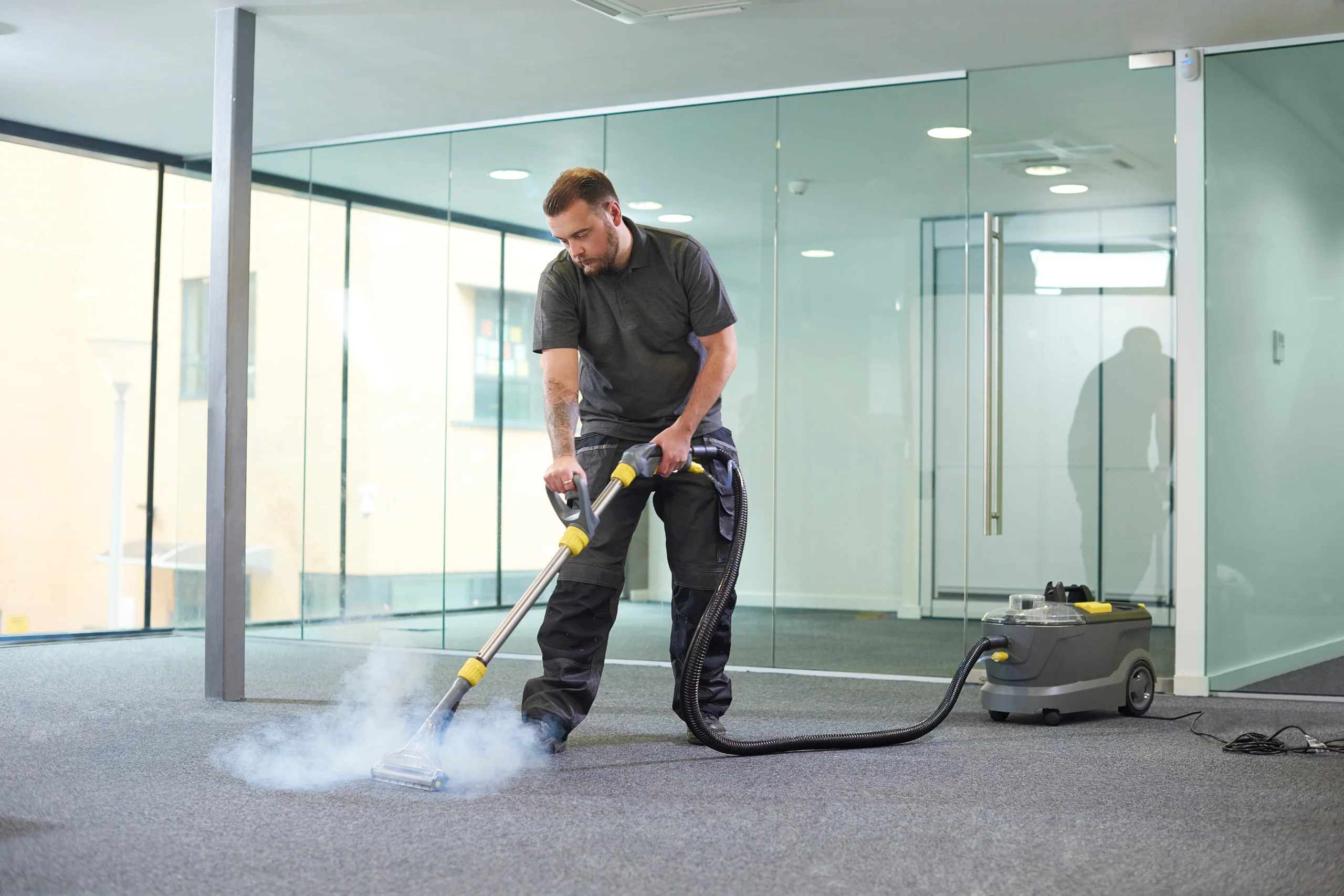
Starting a carpet cleaning home business can be a practical service business for entrepreneurs who want flexible hours, local customers, and repeat income opportunities. Learn how to choose services, buy equipment, price your work, market locally, and position your business for today’s homes with carpet, area rugs, upholstery, hardwood, and luxury vinyl plank flooring.
Key Takeaways
- A carpet cleaning home business can be started from home with the right equipment, training, insurance, and local marketing plan.
- Demand is shifting, not disappearing. Many homes now have hardwood, tile, or LVP, but they still need cleaning for area rugs, upholstery, carpeted bedrooms, stairs, finished basements, and pet-related issues.
- Professional carpet cleaners can stand out from DIY steam cleaners, robot vacuums, and high-tech home vacuums by offering deeper extraction, stain treatment, odor removal, faster drying, and expert care.
- Training and certification from organizations such as the Institute of Inspection Cleaning and Restoration Certification can help build credibility and reduce costly cleaning mistakes.
- The best customers may include homeowners, pet owners, landlords, property managers, real estate agents, small offices, churches, apartments, and commercial spaces.
- A profitable carpet cleaning business needs more than equipment. You need correct pricing, safety procedures, reviews, repeat-customer reminders, and strong customer service.
Starting a carpet cleaning home business can be a practical way to enter the cleaning industry without opening a storefront or carrying a large inventory of products. Many customers need help removing dirt, stains, pet odors, allergens, spills, and everyday wear from carpets, rugs, upholstery, stairs, and high-traffic areas. If you are reliable, careful, and good at customer service, carpet cleaning can become a steady local service business.
Unlike some business ideas that depend heavily on trends, carpet cleaning solves an ongoing household and commercial problem. Families with children and pets need periodic deep cleaning. Landlords need carpets cleaned between tenants. Real estate agents may recommend carpet cleaning before listing a home. Offices, churches, daycare centers, apartment buildings, small clinics, and retail spaces may need regular carpet or floor care as part of their maintenance routine.
The business can start small. You can operate from home, store supplies in a garage or storage area, schedule appointments by phone or online, and drive to customers with portable equipment. Over time, you can add services, invest in better machines, hire technicians, and build recurring commercial accounts.
However, carpet cleaning is not simply “rent a machine and start charging people.” Customers are trusting you with expensive flooring, furniture, and indoor spaces. You need to understand carpet fibers, stain treatment, cleaning solutions, drying time, equipment care, safety, pricing, and customer expectations. A strong start can help you avoid damaged carpets, bad reviews, refund requests, and wasted money on the wrong equipment.
For a broader look at service-based businesses, see PowerHomeBiz’s guide on how to successfully start and run a service business.
Table of Contents
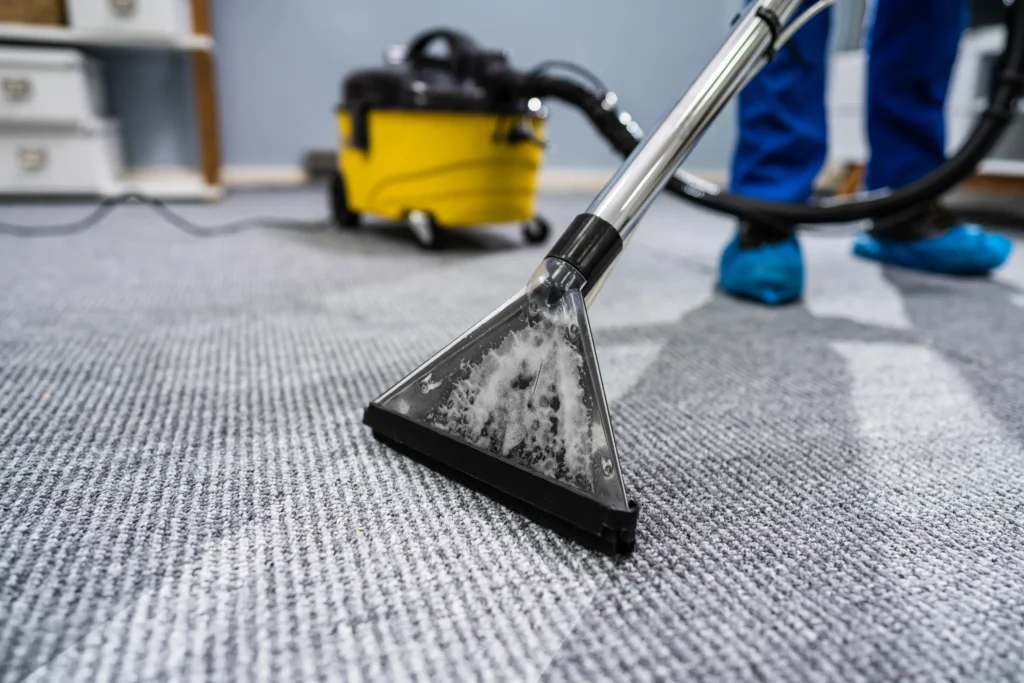
Why Carpet Cleaning Can Be a Good Home Business
A carpet cleaning business has several advantages for someone who wants to start a service-based business from home.
First, the demand is local and practical. You do not need to convince people that clean carpets, rugs, and upholstery matter. Your job is to show why they should hire you instead of renting a machine, relying only on a robot vacuum, or calling a larger franchise.
Second, the business can be started part-time. You may begin with weekend appointments, evening estimates, or a limited service area while you test demand. This allows you to learn the business before taking on major expenses.
Third, it can lead to repeat customers. Many homeowners clean carpets or rugs once or twice a year. Pet owners may need service more often. Commercial clients may want monthly, quarterly, or semiannual cleaning. Recurring work is valuable because it lowers your dependence on one-time customers.
Fourth, carpet cleaning pairs well with related services. Once you have the customer relationship, you may be able to offer upholstery cleaning, area rug cleaning, stair cleaning, pet odor treatment, move-out cleaning, tile and grout cleaning, mattress cleaning, or commercial floor maintenance.
PowerHomeBiz has related cleaning business resources that can help you plan your startup, including Starting a Janitorial Business or Cleaning Service, How to Market and Run a Janitorial Business or Cleaning Service, and the Cleaning Business Equipment Checklist for Beginners.
Is Carpet Cleaning Still a Growing Business?
One question many new entrepreneurs ask is whether carpet cleaning is still a good business now that many families are replacing wall-to-wall carpet with hardwood, tile, laminate, or luxury vinyl plank flooring. The short answer is yes, but the opportunity is changing.
Carpet cleaning is no longer only about cleaning wall-to-wall carpet in every room of the house. Today, a successful carpet cleaning home business may also clean area rugs, stair runners, upholstered furniture, mattresses, carpeted bedrooms, finished basement carpets, rental units, office carpets, commercial entryways, and high-traffic spaces.
Many homes that have hardwood or LVP in the main living areas still have carpets in bedrooms, stairs, basements, playrooms, and family rooms. Many also use large area rugs to soften hard floors, reduce noise, protect flooring, and add warmth to living spaces.
This shift can actually create new opportunities. Hard floors do not eliminate the need for professional cleaning; they change what customers need cleaned. Families with LVP or hardwood may still need area rug cleaning, upholstery cleaning, pet stain removal, odor treatment, stair cleaning, and periodic deep cleaning for remaining carpeted areas.
Industry data also supports the idea that the market is shifting rather than disappearing. Research on the U.S. floor covering market shows that vinyl flooring has been growing quickly, while carpet and area rugs still represent a major share of floor covering demand. That means a carpet cleaning business should not position itself as outdated. It should position itself as a professional soft-surface cleaning service for modern homes.
The availability of consumer steam cleaners, carpet cleaners, robot vacuums, cordless vacuums, and high-tech home cleaning devices also changes the market. Some customers will handle light maintenance themselves. That does not necessarily eliminate the need for professional service. Instead, it raises the bar for what a professional carpet cleaner must offer.
A professional carpet cleaning business should focus on results that most consumer machines cannot easily deliver, such as:
- Deeper soil extraction
- Faster drying methods
- Pet odor treatment
- Stain diagnosis and treatment
- Upholstery and fabric cleaning
- Area rug care
- Commercial carpet maintenance
- Move-out and rental property cleaning
- Heavy traffic-lane cleaning
- Knowledge of carpet fibers and cleaning chemistry
- Safe handling of cleaning solutions
- Professional equipment and technique
Consumer machines are useful for spills, small stains, and regular maintenance. However, many homeowners still call professionals when carpets are heavily soiled, odors keep returning, stains are difficult to remove, rooms need a full deep cleaning, or a landlord, buyer, realtor, or property manager expects a professional result.
The Carpet and Rug Institute provides carpet cleaning and maintenance guidance, and its Carpet and Rug Care Guide recommends restorative cleaning every 12 to 18 months using a cleaning method recommended by the carpet manufacturer. The Institute of Inspection Cleaning and Restoration Certification also provides industry-recognized training and certification for cleaning, restoration, and inspection professionals.
For a new carpet cleaning business, the lesson is clear: do not market yourself only as a “carpet cleaner.” Market yourself as a professional soft-surface cleaning service for modern homes and businesses. Your services can include carpet cleaning, area rug cleaning, upholstery cleaning, stair cleaning, pet odor treatment, move-out carpet cleaning, and commercial carpet maintenance.
Hardwood and LVP do not destroy the opportunity. They push the business owner to be smarter, more specialized, and more service-oriented.
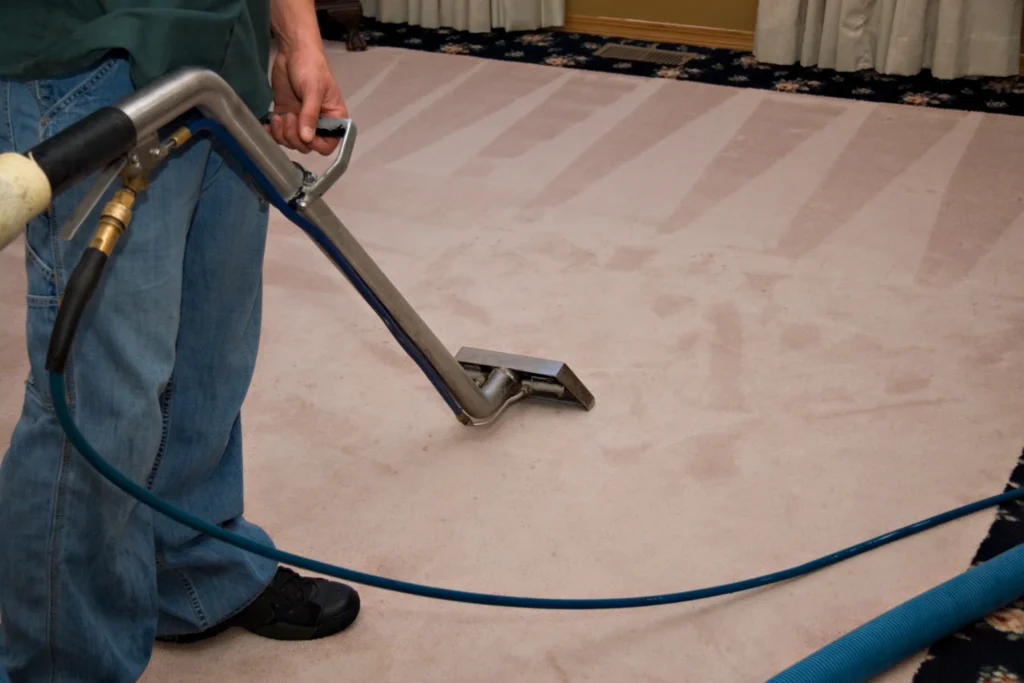
Decide What Type of Carpet Cleaning Business You Want to Build
Before buying equipment, decide what kind of carpet cleaning business you want to operate. Your target market, equipment, pricing, and marketing strategy will depend on your service model.
Residential Carpet Cleaning
Residential carpet cleaning is often the easiest entry point. Your customers may include homeowners, renters, pet owners, busy families, seniors, and people preparing for guests, holidays, or a home sale.
Common residential services include:
- Whole-house carpet cleaning
- Room-by-room carpet cleaning
- Carpeted bedroom cleaning
- Stair cleaning
- Hallway and traffic-lane cleaning
- Stain and spot treatment
- Pet odor treatment
- Upholstery cleaning
- Area rug cleaning
- Move-in and move-out carpet cleaning
- Allergy-conscious or low-odor cleaning options
Residential work requires strong communication. Customers want to know how long the job will take, when they can walk on the carpet, whether the stains will come out, whether your products are safe for children and pets, and how long the carpet will take to dry.
Area Rug and Upholstery Cleaning
Area rugs and upholstery can become important add-on services, especially as more homes use hard flooring in the main living areas. A customer with LVP throughout the first floor may still have expensive area rugs, fabric sofas, upholstered chairs, pet beds, and stair runners.
These services can increase your average ticket and make your business less dependent on wall-to-wall carpet. However, rugs and upholstery require additional care because fabrics, dyes, backing materials, and construction methods vary. Get training before working on delicate, expensive, or antique items.
Commercial Carpet Cleaning
Commercial carpet cleaning can include offices, retail stores, small medical offices, churches, schools, apartment buildings, daycare centers, restaurants, and property management accounts. Commercial jobs may pay more per appointment, but they may require after-hours scheduling, proof of insurance, written proposals, and more professional systems.
Commercial clients often care about reliability, low disruption, fast drying time, safety signs, documentation, and consistent quality. If you can win recurring commercial contracts, your business can become more stable.
PowerHomeBiz’s article on How to Market and Run a Janitorial Business or Cleaning Service can help you understand how commercial cleaning clients think about proposals, trust, pricing, and long-term service relationships.
Move-Out and Rental Property Carpet Cleaning
Landlords, property managers, apartment complexes, and real estate investors can be excellent targets. They often need fast service between tenants. These customers may call you repeatedly if you are responsive, reasonably priced, and able to handle stains, odor, and high-traffic wear.
Move-out carpet cleaning can also be marketed to renters who want to improve their chances of getting their security deposit back. You can offer receipts, before-and-after photos, and fast scheduling as part of the service.
Specialty Carpet Cleaning
Over time, you may choose to specialize. Examples include pet stain and odor removal, eco-conscious carpet cleaning, high-end residential carpet care, low-moisture commercial cleaning, allergy-friendly cleaning, area rug care, or upholstery and fabric cleaning.
Specializing can help you stand out. Instead of advertising as just another carpet cleaner, you can become “the pet odor carpet cleaner,” “the move-out carpet cleaning specialist,” or “the soft-surface cleaning service for homes with pets and kids.”
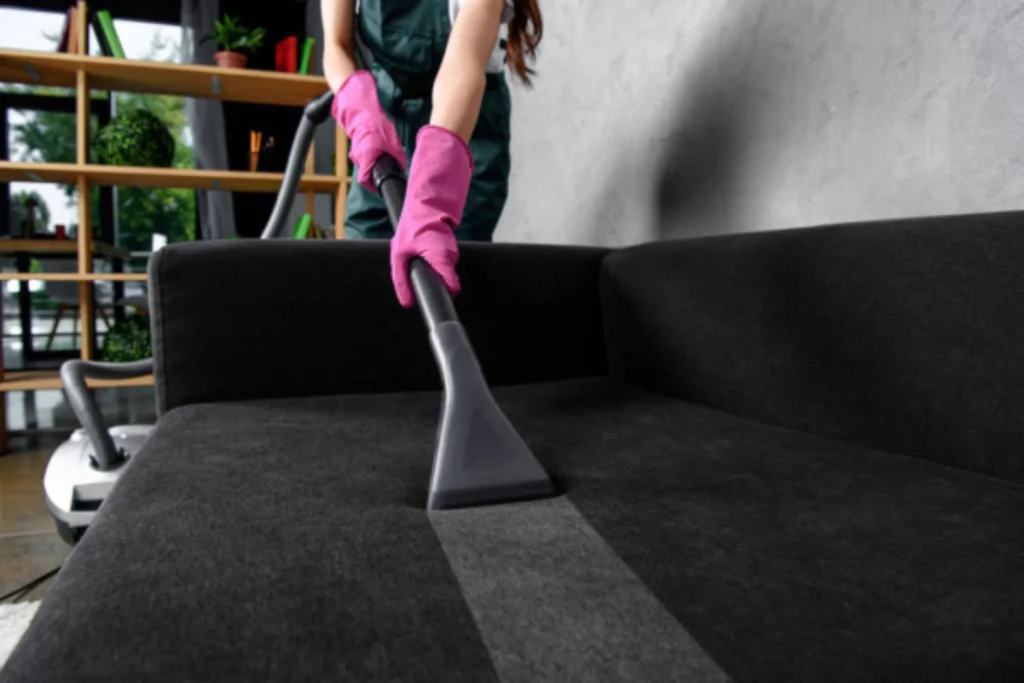
Learn the Basics Before Taking Paid Jobs
Carpet cleaning looks simple from the outside, but there is real skill involved. Different carpet fibers, backing materials, dyes, soil levels, stains, and cleaning chemicals can react differently. Too much water can lead to long drying times, odors, or mold concerns. Too much chemical residue can attract dirt faster. Aggressive treatment can damage fibers or discolor carpet.
Before taking paid jobs, learn about:
- Carpet fiber types
- Pre-inspection procedures
- Pre-vacuuming
- Pre-spray and dwell time
- Hot water extraction
- Encapsulation cleaning
- Low-moisture cleaning
- Spot and stain removal
- Pet urine treatment
- Deodorizing
- Drying and air movement
- Customer disclaimers
- Safety data sheets
- Proper chemical storage
- Equipment maintenance
The Institute of Inspection Cleaning and Restoration Certification develops standards and provides training and certification for professionals in cleaning, restoration, and inspection. Certification may not be legally required in every area, but it can help you gain confidence, improve your methods, and market your service more professionally.
The Carpet and Rug Institute Seal of Approval program also identifies carpet cleaning products and equipment that meet testing standards for effective cleaning. Understanding these types of industry resources can help you choose products and communicate value to customers.
Write a Simple Business Plan
You do not need a 40-page business plan to start, but you do need a clear plan. The U.S. Small Business Administration recommends using a business plan to define your goals, costs, market, funding needs, and strategy. You can use the SBA’s guide to writing a business plan as a starting point.
Your carpet cleaning business plan should answer:
- Who will you serve?
- What services will you offer first?
- What service area will you cover?
- What equipment will you buy now?
- How much will you charge?
- How many jobs do you need each week to break even?
- How will customers find you?
- What will make your service different?
- How will you handle complaints, damages, or refunds?
- Will you operate part-time or full-time?
- When will you upgrade equipment or hire help?
A simple plan helps you avoid random spending. For example, you may not need every tool immediately. You may begin with a portable extractor, vacuum, hoses, pre-spray, stain kit, fans, protective gear, and basic marketing materials. A truck-mounted system may come later, after you have steady demand.
Choose a Business Name and Legal Structure
Choose a business name that is easy to remember, easy to spell, and clear about what you do. A name such as “FreshStep Carpet Cleaning,” “Lakeview Carpet Care,” or “Spotless Home Carpet Cleaning” tells customers what to expect. Avoid names that are too limiting if you may add upholstery, tile, area rug care, or commercial cleaning later.
You will also need to choose a legal structure. Many solo service businesses begin as sole proprietorships or limited liability companies, but the right structure depends on your state, taxes, risk, and long-term plans.
The IRS explains that common business structures include sole proprietorships, partnerships, corporations, S corporations, and limited liability companies. You can review the IRS guide to business structures and the SBA’s guide to choosing a business structure. You may also want to speak with an accountant or attorney before deciding.
PowerHomeBiz also has a State by State Guide to Starting a Business that connects entrepreneurs with official state resources for registration, permits, and startup requirements.
Check Licenses, Permits, and Local Rules
A carpet cleaning business may need local business registration, a state tax account, a sales tax permit, a fictitious name filing, or other permits depending on where you operate. Requirements vary by city, county, and state.
You should also check rules related to wastewater disposal. Carpet cleaning can produce dirty water containing soil, cleaning solutions, pet waste residue, and other contaminants. Do not assume you can dump wastewater into a street drain, yard, or parking lot. Ask your local municipality or environmental agency about proper disposal practices.
At a minimum, check:
- City or county business license requirements
- State business registration requirements
- Sales tax rules for cleaning services
- Wastewater disposal rules
- Home-based business zoning rules
- Vehicle signage rules
- Insurance requirements for commercial clients
The SBA’s guide to registering your business is a useful starting point, but local requirements should always be verified with your state and city.
Get Insurance Before Your First Paid Job
Insurance is important because you will work inside customers’ homes and businesses. Accidents can happen. A hose may leak. Furniture may be damaged. A customer may slip. A cleaning product may discolor a carpet. A commercial client may require proof of insurance before hiring you.
Common insurance policies to ask about include:
- General liability insurance
- Commercial auto insurance
- Inland marine or equipment coverage
- Workers’ compensation if you hire employees
- Bonding, if required by clients
- Umbrella coverage as the business grows
Do not rely on personal auto insurance or homeowner’s insurance to cover business activities without checking with your insurer. A carpet cleaning business involves equipment, chemicals, travel, and customer property, so you need coverage designed for service businesses.
Buy the Right Carpet Cleaning Equipment
Your equipment affects your cleaning quality, drying time, efficiency, and customer satisfaction. Do not buy only based on the lowest price. Cheap equipment can create weak suction, poor extraction, excessive drying times, and more callbacks.
A beginner carpet cleaning business may need:
- Commercial vacuum cleaner
- Portable carpet extractor
- Hoses and wands
- Upholstery tool
- Carpet rake or groomer
- Pre-spray applicator
- Pump sprayer
- Spotting kit
- Defoamer
- Carpet cleaning solution
- Pet stain and odor treatment products
- Air movers or fans
- Wet floor signs
- Corner guards
- Furniture tabs and blocks
- Gloves and eye protection
- Towels and microfiber cloths
- Buckets and measuring tools
- Extension cords
- Chemical storage containers
- Vehicle storage system
- Business phone or booking system
- Branded invoices and estimate forms
PowerHomeBiz’s Cleaning Business Equipment Checklist for Beginners can help you think through the broader supplies needed for a cleaning service.
Portable vs. Truck-Mounted Carpet Cleaning Equipment
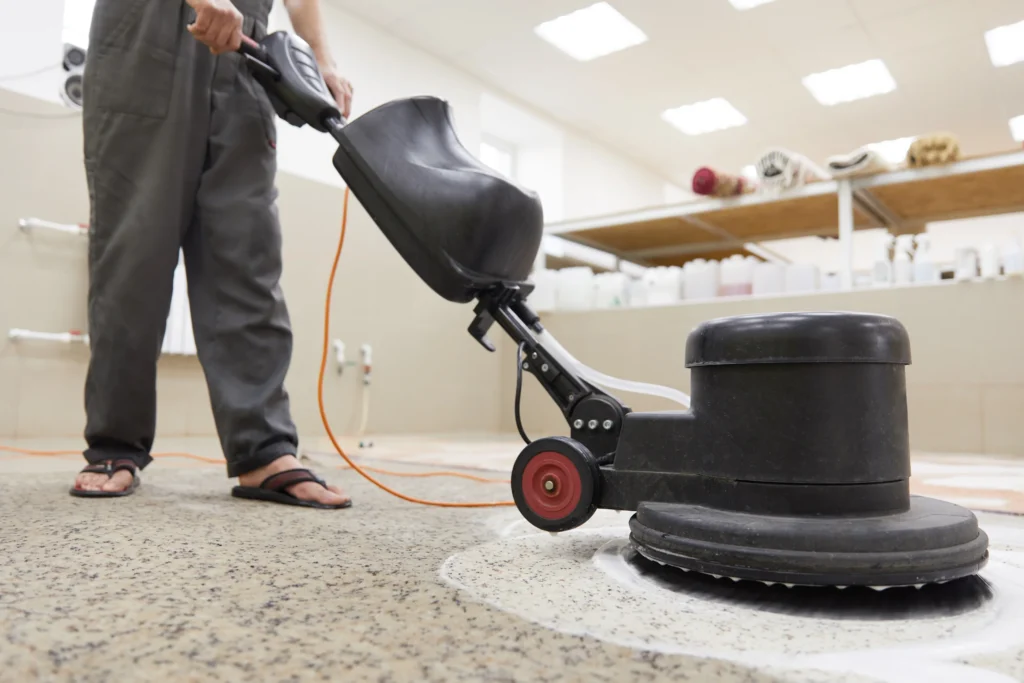
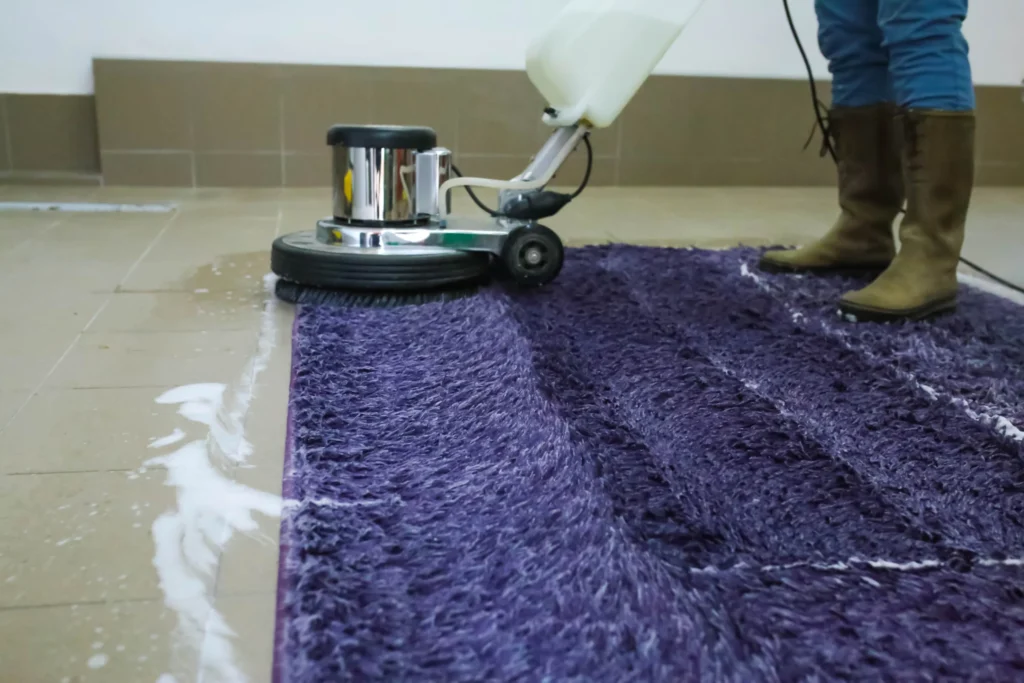
Most home-based beginners start with portable equipment because it is less expensive and easier to store. Portable extractors can be transported in a van, SUV, or trailer. They work well for many residential and small commercial jobs.
Truck-mounted systems are more powerful and efficient, but they cost much more. They are typically installed in a van or truck and can provide stronger heat, pressure, and suction. Many established carpet cleaning businesses eventually upgrade to truck-mounted equipment, but it may be too expensive for a beginner without confirmed demand.
A practical approach is to start with quality portable equipment, learn the trade, build reviews, and upgrade when the business can justify the investment.
Choose Cleaning Products Carefully
Cleaning chemicals matter. Customers increasingly ask about products that are safer for children, pets, allergy-sensitive households, and indoor air quality. You should be able to explain what you use and why.
The EPA’s Safer Choice program helps consumers and businesses identify products that meet the Safer Choice Standard. Its Safer Choice product search can help you find certified cleaning products.
You should also review Safety Data Sheets for chemicals you use and follow label instructions. OSHA’s Cleaning Industry Hazards and Solutions page and its Protecting Workers Who Use Cleaning Chemicals guidance explain the importance of understanding chemical hazards, using safer products where possible, training workers, and maintaining Safety Data Sheets for hazardous chemicals.
Even if you are a solo owner, safety matters. Wear gloves and eye protection when needed. Ventilate work areas. Never mix chemicals unless the product label specifically says it is safe. Store products securely, especially when working in homes with children or pets.
Set Your Carpet Cleaning Prices
Pricing is one of the most important decisions in your business. If you price too low, you may stay busy but not profitable. If you price too high without credibility, you may struggle to win customers. Your goal is not to be the cheapest. Your goal is to charge enough to cover labor, equipment, chemicals, travel, insurance, marketing, taxes, and profit.
Common pricing methods include:
- Per room
- Per square foot
- Minimum service charge
- Stair pricing
- Hallway pricing
- Add-on pricing for stains, odor, upholstery, or protectant
- Commercial contract pricing
- Move-out package pricing
A beginner might offer a simple structure such as a minimum service charge plus per-room pricing. For commercial accounts, square-foot pricing may be more appropriate.
When setting prices, consider:
- Your local competition
- Your service area
- Travel time
- Setup and breakdown time
- Carpet condition
- Furniture moving
- Stairs
- Pet treatment
- Drying support
- Chemical costs
- Equipment wear
- Insurance and taxes
- Desired hourly profit
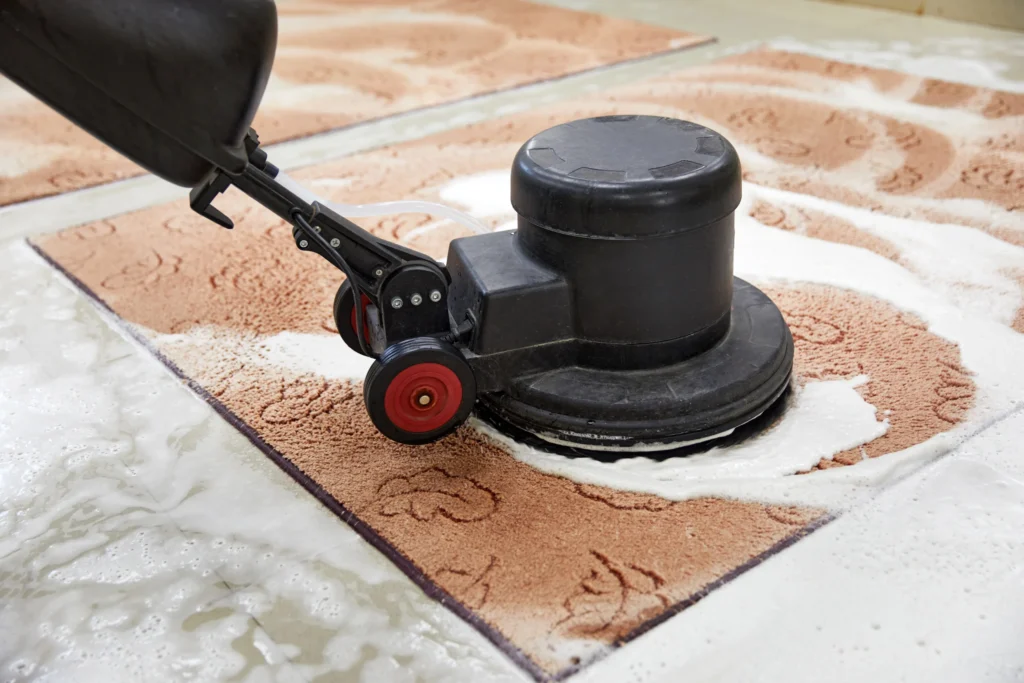
Avoid vague pricing that leads to arguments. Tell customers what is included and what costs extra. For example, basic carpet cleaning may include pre-vacuuming, pre-spray, agitation, hot water extraction, and grooming. Pet urine treatment, heavy stain removal, furniture moving, upholstery cleaning, and carpet protectant may be priced separately.
PowerHomeBiz’s guide on How to Successfully Start and Run a Service Business includes broader advice on pricing, contracts, client expectations, and service business operations.
Create Service Packages
Packages help customers understand their options. Instead of giving every customer a custom quote from scratch, create a few simple packages.
Basic Carpet Refresh
Best for lightly soiled rooms and routine maintenance. Includes standard pre-treatment and extraction.
Deep Cleaning Package
Best for high-traffic areas, visible soil, and homes that have not had carpets cleaned in a while. Includes pre-vacuuming, pre-spray, agitation, extraction, and grooming.
Pet Odor and Stain Package
Best for homes with pet accidents, odor concerns, or repeat stains. Includes inspection, targeted treatment, extraction, and odor control options.
Rug and Upholstery Add-On
Best for homes with hardwood, tile, or LVP but plenty of soft surfaces. Includes area rugs, sofas, chairs, ottomans, and other fabric items you are trained and equipped to clean.
Move-Out Carpet Cleaning
Best for renters, landlords, and property managers. Includes empty-room cleaning, faster scheduling, and optional receipt documentation for tenants or property managers.
Commercial Maintenance Plan
Best for offices, churches, clinics, and small commercial spaces. Includes scheduled recurring cleaning, after-hours appointments, and traffic-lane maintenance.
Packages make your business easier to sell and easier to manage.
Build a Professional Image from Home
Even if you operate from home, your business should look professional. Customers will judge you before you arrive. Your website, phone greeting, estimate process, reviews, uniform, vehicle, and communication all shape trust.
You should have:
- A business phone number
- A professional email address
- A simple website
- Google Business Profile
- Business cards or flyers
- Branded invoices
- Before-and-after photos
- Customer review system
- Clear service area
- Clear pricing language
- Written terms and disclaimers
- Follow-up messages after each job
The more professional you look, the easier it is to compete with larger companies. Many customers are willing to hire a small local business if it appears reliable, insured, responsive, and trustworthy.
Market Your Carpet Cleaning Business Locally
A carpet cleaning business is usually a local business, so your marketing should focus on your service area. You do not need national attention. You need nearby homeowners, landlords, offices, and property managers to find and trust you.
Create a Google Business Profile
Your Google Business Profile is one of the most important tools for a local carpet cleaning business. Add your service area, phone number, hours, photos, services, and customer reviews. Post updates regularly and ask satisfied customers to leave reviews.
Build a Simple Website
Your website does not need to be complicated. It should clearly explain:
- What services you offer
- What areas you serve
- Why customers should choose you
- How to request a quote
- Whether you serve residential, commercial, or both
- Whether you handle pet stains, move-outs, upholstery, or stairs
- Customer testimonials
- Before-and-after photos
- FAQs
Useful pages may include:
- Carpet Cleaning Services
- Pet Stain and Odor Removal
- Area Rug Cleaning
- Upholstery Cleaning
- Move-Out Carpet Cleaning
- Commercial Carpet Cleaning
- Service Area Pages
- Contact / Request a Quote
Use Before-and-After Photos
Before-and-after photos can be powerful. Get permission from customers before using photos. Focus on traffic lanes, stairs, stains, area rugs, and room transformations. Do not overpromise, and avoid editing photos in a misleading way.
Ask for Reviews
Reviews are critical in home services. After every successful job, ask the customer to leave a review. Make it easy by sending a direct link. A steady flow of positive reviews can help you compete with larger companies.
Partner With Local Businesses
Potential referral partners include:
- Realtors
- Property managers
- Apartment managers
- Landlords
- Home stagers
- Interior designers
- Maid services
- Janitorial companies
- Moving companies
- Pet groomers
- Veterinarians
- Daycare centers
- Senior living communities
Referral relationships work best when you are reliable. If a realtor refers you to a client and you do poor work, that reflects badly on the realtor. Protect referral relationships by communicating well, arriving on time, and doing what you promised.
Use Seasonal Promotions
Carpet cleaning often has seasonal demand. Promote around spring cleaning, back-to-school, holidays, move-out season, allergy season, winter salt and mud cleanup, and pet accident cleanup.
You can also send reminders to past customers every six or twelve months. A simple reminder system can turn one-time customers into repeat customers.
How to Get Your First Carpet Cleaning Customers
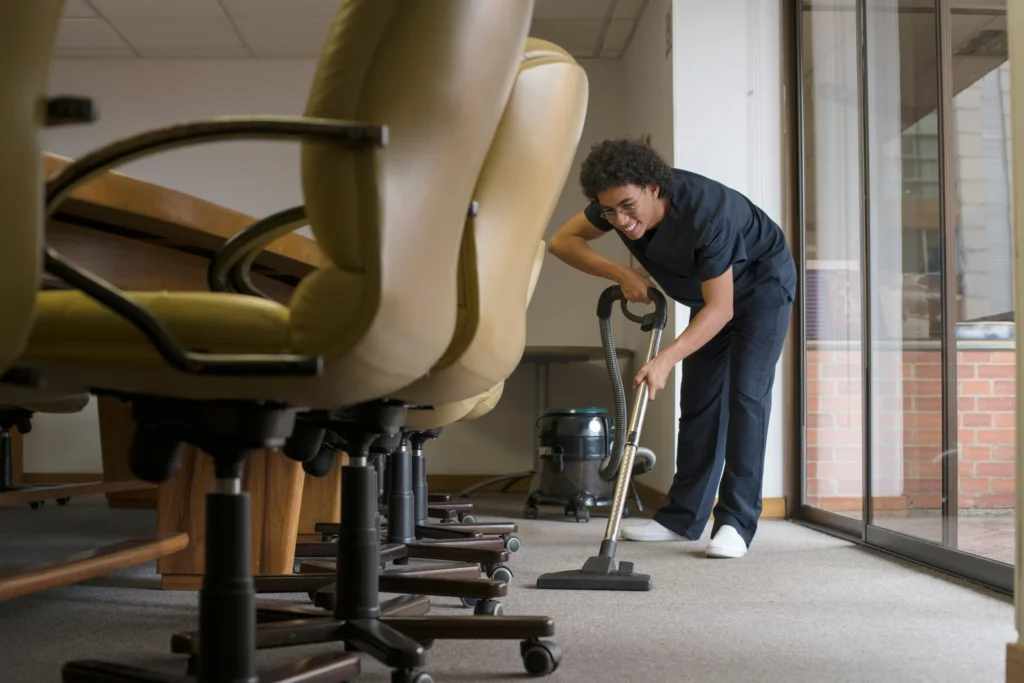
Your first customers may come from people who already know you. Start with your personal network, but treat every job professionally. Do not cut corners because the customer is a friend or relative. Early jobs can become testimonials, photos, referrals, and learning experiences.
Ways to get your first customers include:
- Offer introductory pricing to neighbors
- Post in local community groups where allowed
- Create a Google Business Profile
- Ask friends and family for referrals
- Leave flyers with local property managers
- Contact small offices and churches
- Partner with house cleaners
- Offer move-out cleaning packages
- Run a small local ad campaign
- Ask every happy customer for a review
- Follow up with customers after six months
Avoid giving away too much work for free. Discounted first jobs are fine, but you need paying customers to test your pricing and profitability.
Create a Repeat-Customer System
The most profitable carpet cleaning businesses do not rely only on new customers. They build repeat business.
Create a customer follow-up system that includes:
- Thank-you message after service
- Care instructions after cleaning
- Review request
- Reminder at six or twelve months
- Seasonal promotion
- Referral offer
- Commercial maintenance schedule
For example, after cleaning a customer’s carpets, you can send a message six months later saying: “It has been six months since your last carpet cleaning. If your high-traffic areas, stairs, area rugs, or upholstery need a refresh, we are scheduling appointments for the next two weeks.”
Repeat customers are easier to sell to because they already trust you.
Track Your Numbers
A carpet cleaning business can look profitable on the surface while quietly losing money through fuel, chemicals, travel time, equipment repairs, unpaid estimates, and underpriced jobs. Track your numbers from the beginning.
Track:
- Number of leads
- Number of booked jobs
- Average job value
- Travel time
- Labor time
- Chemical cost per job
- Fuel cost
- Marketing cost
- Review count
- Repeat-customer rate
- Refunds or callbacks
- Equipment maintenance
- Monthly profit
Knowing your numbers helps you decide when to raise prices, expand your service area, stop offering unprofitable discounts, or invest in better equipment.
Common Mistakes to Avoid
Starting a carpet cleaning home business can be profitable, but beginners often make mistakes that hurt their reputation and cash flow.
Buying Cheap Equipment That Cannot Do Professional Work
Customers expect professional results. Weak equipment can leave carpets too wet, fail to extract soil properly, and create complaints. Buy the best equipment you can reasonably afford, and upgrade when demand justifies it.
Underpricing Jobs
Low pricing may bring customers, but it can also attract bargain shoppers and leave you with little profit. Price for the full cost of doing business, not just the time spent cleaning.
Skipping Training
Improper cleaning can damage carpets, cause browning, leave residue, or fail to remove odor. Training helps you avoid expensive mistakes.
Overpromising Stain Removal
Some stains are permanent. Be honest with customers. Explain that you will do your best, but certain stains, dyes, burns, bleach marks, and long-term pet contamination may not fully disappear.
Ignoring Drying Time
Long drying times can frustrate customers and create odor concerns. Use proper extraction techniques, avoid overwetting, and use air movers when needed.
Not Getting Insurance
Working inside homes and businesses creates risk. Insurance protects both you and your customers.
Competing Only on Price
If your only message is “cheap carpet cleaning,” you may attract customers who care only about the lowest price. Compete on professionalism, results, convenience, safety, reviews, and trust.
Ignoring the Shift to Hard Flooring
Homes with hardwood, tile, laminate, or LVP may still need area rug cleaning, upholstery cleaning, stair cleaning, pet odor treatment, and carpeted room cleaning. Do not assume that fewer fully carpeted homes means no opportunity. Adjust your service menu to match how people live today.
For more cleaning business startup pitfalls, see PowerHomeBiz’s article on Mistakes to Avoid When Starting a Cleaning Business.
Is a Carpet Cleaning Home Business Right for You?
A carpet cleaning business can be a good fit if you enjoy hands-on work, solving practical problems, dealing with customers, and building a local reputation. It is not passive income. It requires physical effort, punctuality, careful cleaning, equipment maintenance, and customer service.
This business may be right for you if:
- You want a local service business
- You are comfortable working in customers’ homes
- You can handle physical labor
- You are detail-oriented
- You are willing to learn cleaning techniques
- You can communicate professionally
- You want repeat customers
- You are willing to market consistently
It may not be right for you if you dislike physical work, do not want to travel to customer locations, or are unwilling to handle complaints and service issues.
Final Thoughts
Starting a carpet cleaning home business can be a realistic path into entrepreneurship for someone who wants a practical, local, service-based business. You can start small, operate from home, serve residential customers, and grow into commercial accounts or related cleaning services over time.
The key is to treat it like a professional business from day one. Learn the trade, buy appropriate equipment, choose safe products, get insured, price your services properly, market locally, and build a strong review base.
The industry is also changing. More homes may have hardwood, tile, laminate, or LVP, and more consumers may own robot vacuums, cordless vacuums, and small steam cleaners. But those changes do not remove the need for professional cleaning. They simply mean your business should offer more than basic carpet cleaning. Position yourself as a soft-surface cleaning expert for modern homes and businesses, including carpets, area rugs, upholstery, stairs, pet odor problems, rental units, and commercial spaces.
Customers are not just buying clean carpets. They are buying trust, reliability, convenience, and confidence that you will take care of their home or business. If you build your reputation one job at a time, a carpet cleaning home business can grow from a side business into a steady source of income.
Frequently Asked Questions
Is carpet cleaning still a good business if more homes have hardwood or LVP?
Yes. Many homes with hardwood, tile, laminate, or luxury vinyl plank flooring still have carpeted bedrooms, stairs, finished basements, area rugs, and upholstered furniture. The opportunity is shifting from whole-house carpet cleaning to soft-surface cleaning, including rugs, upholstery, pet odor treatment, move-out cleaning, and commercial carpet maintenance.
How much does it cost to start a carpet cleaning home business?
Startup costs vary depending on whether you buy portable equipment, used equipment, or a truck-mounted system. A small home-based carpet cleaning business may start with a portable extractor, vacuum, hoses, cleaning products, protective gear, insurance, marketing materials, and basic business registration. A truck-mounted system can cost much more and is often better suited for an established business.
Can I start a carpet cleaning business from home?
Yes. Many carpet cleaning businesses start from home. You can schedule customers from a home office, store equipment in a garage or storage area, and travel to client locations. However, you should check local zoning rules, business registration requirements, insurance needs, and wastewater disposal rules.
Do I need certification to start a carpet cleaning business?
Certification is not always legally required, but it can help you learn proper cleaning methods and build credibility. Training from organizations such as IICRC can help you understand carpet fibers, cleaning chemistry, stain treatment, and professional techniques.
What equipment do I need to start a carpet cleaning business?
Basic equipment may include a commercial vacuum, portable carpet extractor, hoses, wand, upholstery tool, pre-spray applicator, spotting kit, cleaning solutions, air movers, gloves, eye protection, wet floor signs, towels, corner guards, and furniture tabs. You may add more advanced equipment as the business grows.
Is carpet cleaning profitable?
A carpet cleaning business can be profitable if you price correctly, control expenses, deliver quality work, and build repeat customers. Profit depends on your local market, equipment costs, job size, travel time, pricing, marketing, and ability to secure recurring clients.
Should I serve residential or commercial customers first?
Many beginners start with residential customers because it is easier to enter the market. Commercial customers can provide recurring revenue, but they may require insurance certificates, written proposals, after-hours work, and more professional systems.
How do I get carpet cleaning customers?
Start with local marketing. Create a Google Business Profile, build a simple website, ask for reviews, use before-and-after photos, partner with real estate agents and property managers, post in local groups where allowed, and ask satisfied customers for referrals.
How can I compete with DIY steam cleaners and robot vacuums?
Do not position your service as basic cleaning that customers could do themselves. Focus on professional results, deeper extraction, stain treatment, odor removal, faster drying, upholstery cleaning, area rug care, and knowledge of carpet fibers and cleaning products.
What are the biggest mistakes beginners make?
Common mistakes include buying weak equipment, underpricing jobs, skipping training, overpromising stain removal, not getting insurance, using unsafe chemicals, failing to ask for reviews, and not tracking costs.
Can I add other services later?
Yes. Many carpet cleaning businesses expand into upholstery cleaning, area rug cleaning, tile and grout cleaning, mattress cleaning, odor treatment, commercial floor care, and janitorial services. Add services gradually as you gain skills, equipment, and demand.
How can I make my carpet cleaning business stand out?
You can stand out by specializing in pet stains, move-out cleaning, eco-conscious cleaning, fast-drying service, commercial maintenance, excellent communication, transparent pricing, strong reviews, and professional before-and-after photos.