


In today’s world, combining your creative passion with entrepreneurship has never been easier, and launching a T-shirt business is a fantastic way to do just that. Whether it’s showcasing your artwork, catchy phrases, or unique designs, T-shirts offer a canvas for your creativity while also providing a chance to earn. The beauty of a T-shirt business lies in its potential for profit – each shirt sold chips towards a growing income stream.
Whether looking at it as a side hustle or aiming for a full-time venture, our guide simplifies starting a T-shirt business. Follow these straightforward steps to turn your T-shirt dreams into reality and kickstart your journey in the clothing business and fashion entrepreneurship world.
Table of Contents
Step 1: Crafting Your Business Plan
Launching a T-shirt business begins with a clear plan. The first thing to do is choose a name that captures the essence of your brand – it could be your name or something that resonates with your style. This name will influence everything from your logo to your business cards and website design.
After picking a name, secure a matching domain. Whether you opt for popular platforms like Shopify and Etsy or create a custom website, getting your domain early ensures a smooth launch with your products.
Step 2: Registering Your T-Shirt Business
Decide if your venture will be a side hustle or a full-time pursuit, and register accordingly.
Ensure you comply with local business regulations and obtain any necessary licenses. An LLC might be a good fit for its tax benefits and professional stature. However, a sole proprietorship can be a good starting point if you are a solo entrepreneur.
Secure your business Employer Identification Number with the IRS. With an EIN, you can source blank T-shirts at wholesale costs, differentiating your business expenses from personal ones.
The cost of registration varies, usually between $50 to $100. Understanding and complying with your state’s small business regulations is important. If the setup process seems daunting, consider hiring an LLC service. This way, you can focus more on the creative aspects of your business.
Step 3: Choosing Your Production Method
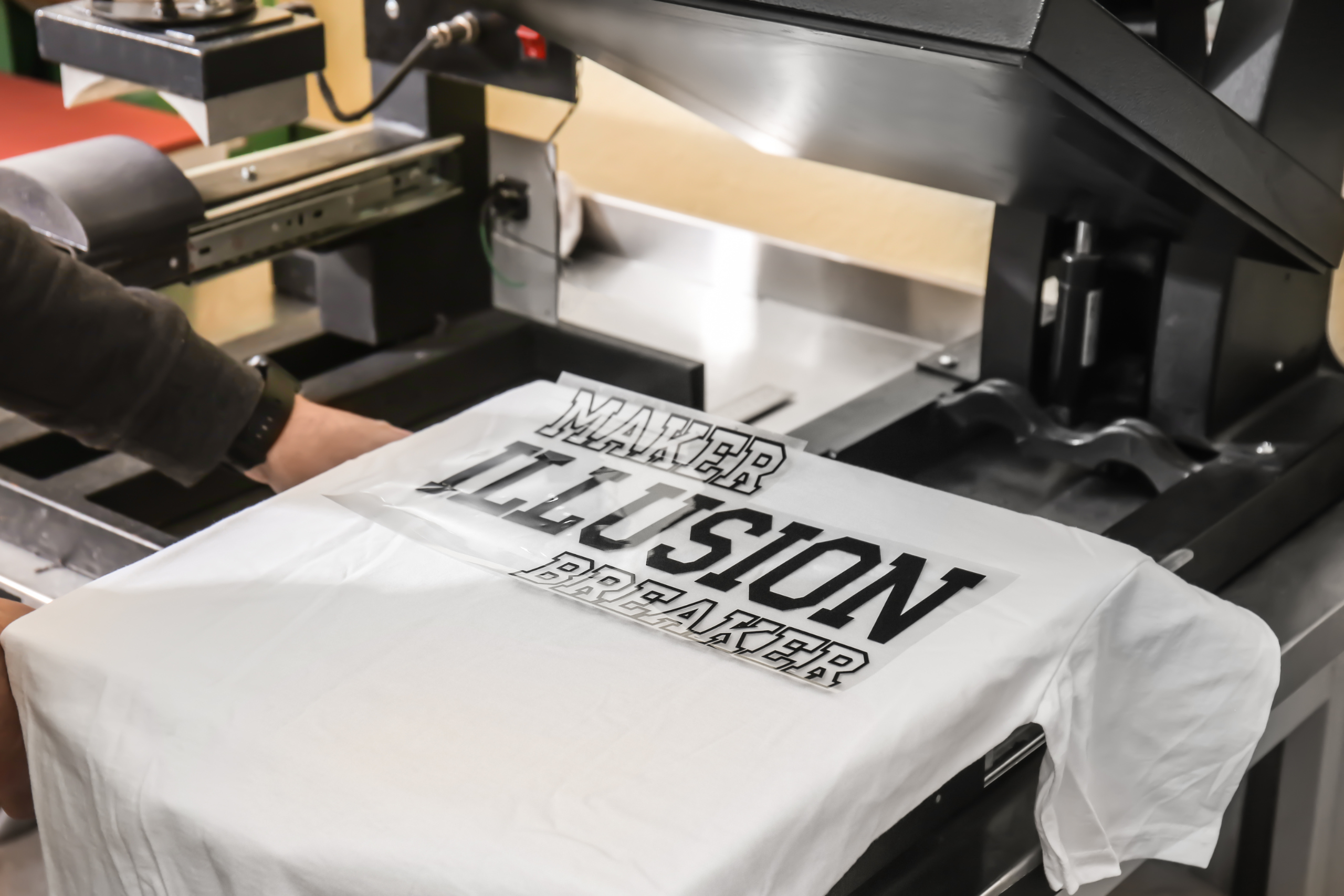
There are several ways to produce your T-shirts, each with its advantages:
- DIY Screen Printing: If you’re hands-on, setting up a screen printing operation at home or in your office is a great way to maintain control over your designs. The initial investment in equipment can be steep, but it pays off with higher profit margins. Plus, sharing your creation process on social media platforms like TikTok and Instagram can be a hit.
- Local Screen Printing Services: Outsourcing to local printers simplifies things but does add to your costs. The upside? You get to keep a close eye on quality.
- Print-on-Demand Services: If you’re eager to start without the hassle of inventory, services like Printful and Printify are fantastic. They’re quick and reliable and eliminate the risk of unsold stock. The trade-off is narrower profit margins due to individual printing costs.
Step 4: Creating Unique Designs
The heart of your T-shirt business is your designs. If you’re showcasing your artwork, whether it’s drawings, paintings, or digital creations, make sure they’re saved in the right format (like .eps vector files) for printing. If your designs are complex, do some test prints to ensure they transfer well onto the fabric.
There are a wealth of free tutorials on Adobe Photoshop and Canva for those new to design. These tools can help you create eye-catching designs from scratch.
If you’re looking to collaborate, tons of talented artists are on platforms like Creative Market, Fiverr, and Upwork. You can buy designs outright or consider a profit-sharing arrangement for a more lasting partnership.
Need inspiration? Check out what’s selling on Etsy or use tools like Jungle Scout to see how well certain T-shirt designs perform on Amazon. Google Trends can also be a great resource to gauge the popularity of potential slogans or themes for your shirts.
Once your designs are ready, showcase them in a way that appeals to customers. Services like Placeit let you superimpose your designs onto photos of people wearing blank T-shirts. Alternatively, stock photo packages with models wearing plain shirts can be a canvas for your designs via Photoshop.
Consider hiring a local photographer and models for dynamic action shots for a more personalized touch. This decision will depend on your budget and the scale of your product line.
Step 5: Choosing Your Sales Channels
Now, where to sell your T-shirts? You can start with your website, but don’t overlook online marketplaces.
Third-party sellers like Etsy, Zazzle, and Redbubble are popular for clothing sales, drawing in plenty of customers. You can also consider Amazon or even selling directly through social media platforms. With the new addition of TikTok Shop and the ability to sell right through Meta, in some cases, you can run your whole business through social media.
Each channel comes with its costs and benefits, so it’s important to evaluate which aligns best with your long-term business goals and sustainability. Setting up a shop involves creating an account and getting familiar with the platform’s requirements and features.
Step 6: Building Your Website
Even if you’re planning to sell through third-party marketplaces, having your website is crucial for promoting your T-shirt business. It’s a place to showcase your brand’s story and full collection. Create a user-friendly e-commerce website to showcase your T-shirts.
Here are some top e-commerce platforms to consider:
- Shopify: Known for its robust sales reporting and a wide range of design templates to customize your storefront.
- Wix: Offers free plans and an easy-to-use interface, perfect for beginners.
- Weebly: Includes e-commerce capabilities even in its lowest-priced plan.
- WordPress: Highly customizable with numerous plugins, ideal for a more tailored website experience.
All these platforms can integrate with print-on-demand services, making it easier to manage your T-shirt sales. They streamline the selling and promoting process and can even handle shipping directly to your customers, freeing you up to focus on design and marketing.
Step 7: How to Price Your T-Shirts
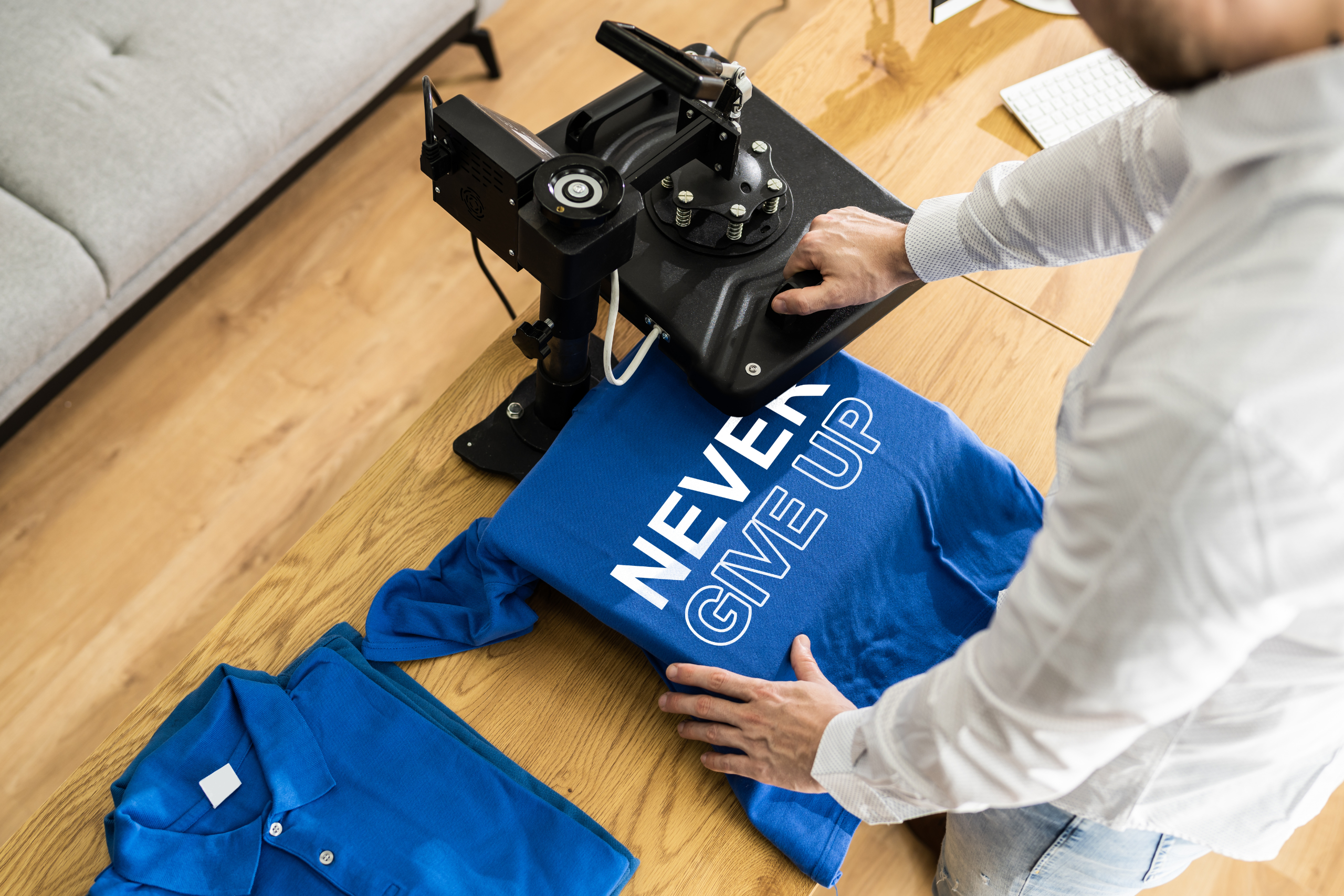
Determining the right pricing strategy for your T-shirt business is crucial for its success. Pricing your T-shirts effectively involves a combination of factors to ensure profitability while remaining competitive.
First, calculate your production costs, which include materials, printing, and labor. This serves as the foundation for your pricing strategy. Once you have your production cost, you can set a retail price with a profit margin. A common approach is to double the production cost to establish the selling price. This is known as cost-plus pricing.
Market research is essential. Investigate competitors and similar T-shirt businesses to understand pricing trends within your niche. Analyze how they price their products and whether they offer different price points for various customer segments.
Consider the positioning of your brand. If you want to position your T-shirts as premium or exclusive, you can justify higher prices based on perceived value.
Don’t forget to factor in overhead costs such as website maintenance, marketing expenses, and packaging. These costs should be distributed among the T-shirts you sell.
It’s beneficial to offer a range of T-shirts at various price points to cater to different customer budgets. This provides flexibility and widens your potential customer base.
Remember that pricing isn’t static. Regularly review and adjust your prices based on demand, seasonality, and customer feedback. Transparency in pricing is crucial to ensure customers understand the value they receive when purchasing your T-shirts.
Setting the right prices for your T-shirts requires a balanced approach considering production costs, market research, brand positioning, overhead expenses, and customer preferences. Continuously adapt your pricing strategy to maintain competitiveness in the ever-changing market.

Step 8: Marketing Your T-Shirt Business
Marketing your T-shirt business, especially in its early stages, can seem daunting, but there are effective, low-cost ways to capture attention.
One powerful avenue is social media, where many small clothing brands find success through a strong brand identity. Platforms like Instagram, TikTok, and Facebook are not just channels to showcase your products; they’re tools to tell your brand’s story, engage with your audience, and build a community around your designs.
Creating content that resonates with your audience is key. Whether it’s behind-the-scenes glimpses into your design process, customer testimonials, or just fun, creative ways of showcasing your T-shirts, these efforts contribute to a compelling brand identity. Consistency in your posts and a style and tone that reflects your brand can significantly increase your following and customer engagement.
In addition to organic social media efforts, consider investing in social media ads. These ads can be targeted precisely, from demographic details to interests, ensuring that your T-shirts are seen by those most likely to buy them. With the vast array of analytics tools available, you can track the performance of your ads and continuously refine your strategy for better results.
Connecting with micro-influencers is another strategic move. Influencers with smaller, niche followings can offer more authentic engagement and potentially higher conversion rates. They’re often more approachable for collaborations and can be a cost-effective way to reach new audiences.
Remember, marketing is about experimentation and adaptation. Try different approaches, see what works best for your brand, and don’t be afraid to adjust your strategy as you learn what resonates with your audience.
It is essential to build a loyal customer base. Engage with your audience by responding to comments, messages, and feedback. Make them feel heard and valued! Build a mailing list and engage with your customers through newsletters.
You can turn your T-shirt business into a recognized and beloved brand with the right tactics.
Frequently Asked Questions (FAQs)
Q1. How much money do I need to start a T-shirt business?
Starting costs can vary, but you’ll need design, printing, materials, and marketing funds. Depending on your scale, a rough estimate could be between $2,000 and $5,000.
Q2. Is it better to print T-shirts myself or use a professional service?
It depends on your budget and scale. Printing yourself is cost-effective for small quantities, while professional services are ideal for larger batches and complex designs.
Q3. How do I choose the right T-shirt supplier?
Look for suppliers with a good reputation, fair pricing, and a variety of T-shirt options. Don’t forget to ask for samples to assess quality!
Q4. Do I need a business license to sell T-shirts online?
It depends on your state if you need a business license. Register your business and comply with local regulations. Check with your local authorities for specific requirements.
The Wrap Up
Starting a T-shirt business is a fantastic blend of creativity and entrepreneurship. The T-shirt business is not just about making money; it’s about expressing your creativity and connecting with like-minded individuals who appreciate your artistry. You can turn your vision into a thriving brand by carefully planning your business, choosing the right production method, creating unique designs, and effectively using online platforms.
Remember, a strong online presence, particularly on social media, can be a game-changer, helping you connect with your audience and grow your customer base. With passion, creativity, and a bit of strategic marketing, your T-shirt business is poised to make a memorable mark in fashion and commerce.
So, grab your designs, find your niche, and let your T-shirt business journey begin! Good luck!
Your point of view caught my eye and was very interesting. Thanks. I have a question for you.