

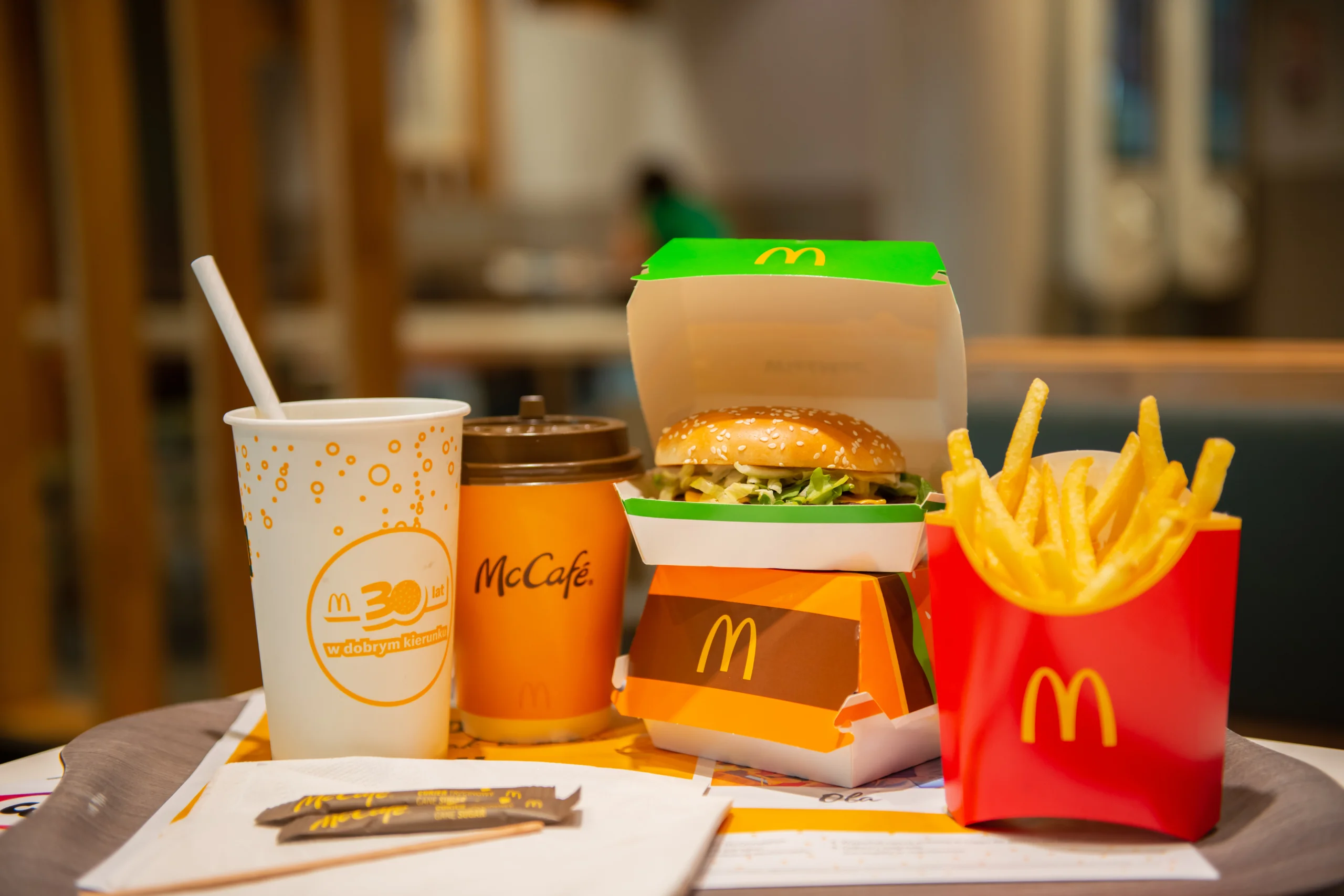
Buying a McDonald’s franchise is a lucrative opportunity that has attracted entrepreneurs worldwide. As one of the most iconic brands globally, McDonald’s offers a well-established business model, extensive support, and the promise of a stable revenue stream. With over 38,000 locations in over 100 countries, the Golden Arches are synonymous with quality, consistency, and convenience.
This guide delves into what it takes to own a McDonald’s franchise, the financial commitments involved, ongoing costs, and whether it is a worthwhile investment.
Table of Contents

Why is McDonald’s Franchise Top-Ranked
McDonald’s consistently ranks as a top franchise due to its unparalleled global presence and brand strength. The brand’s extensive reach spans over 100 countries with over 38,000 locations, demonstrating its vast market penetration and appeal. A significant factor contributing to McDonald’s top ranking is its robust brand recognition; the iconic Golden Arches are synonymous with quality and consistency, attracting a diverse customer base.
>> Franchising Definitions: Glossary of Franchising Terms
Furthermore, McDonald’s operates on a proven business model that has been fine-tuned over decades. This model emphasizes operational efficiency, standardization, and innovation, ensuring each franchise delivers a uniform experience regardless of location. The company’s high profitability is another key factor, supported by strategic real estate investments, effective marketing campaigns, and a diversified menu that adapts to local tastes while maintaining core offerings.
McDonald’s also benefits from solid economies of scale, allowing it to maintain competitive pricing and invest heavily in technology and customer service enhancements. The franchise’s innovation ability, such as by introducing digital kiosks and mobile ordering, keeps it ahead of industry trends and competitors. These attributes underscore why McDonald’s is a top-ranked franchise, offering a compelling investment opportunity for those seeking stability, brand power, and a track record of success.

Level of Competition
The fast-food industry, where McDonald’s operates, is highly competitive. McDonald’s faces stiff competition from other global fast-food chains like Burger King, Wendy’s, and KFC, each vying for market share with similar product offerings and aggressive marketing strategies. These competitors continuously innovate their menus, introduce promotional deals, and enhance customer experiences to attract and retain customers.
In addition to these well-known chains, McDonald’s competes with many regional and local fast-food outlets that often offer unique menu items tailored to local tastes. This localized competition can be particularly fierce as these smaller players may leverage their intimate knowledge of regional preferences and trends to attract loyal customers.
Moreover, the rise of fast-casual restaurants such as Chipotle and Panera Bread adds another layer of competition. These establishments appeal to health-conscious consumers seeking higher-quality ingredients and customizable options, posing a challenge to traditional fast-food chains like McDonald’s. To stay competitive, McDonald’s has had to adapt by expanding its menu to include healthier options and leveraging its vast supply chain to ensure consistent quality and value.
>> Interested in Starting a Subway Franchise?
Technological advancements also play a significant role in the competitive landscape. Competitors invest in digital ordering systems, delivery services, and mobile apps to enhance convenience and customer engagement. McDonald’s has responded with its innovations, including self-service kiosks, a robust mobile app, and partnerships with delivery services like Uber Eats.
Lastly, evolving consumer preferences towards sustainability and ethical sourcing have prompted many competitors to adopt eco-friendly practices and transparency in their supply chains. McDonald’s has made strides in this area by committing to sourcing sustainable beef and reducing its environmental footprint, but maintaining this momentum is crucial to staying competitive.
While McDonald’s benefits from a strong brand and established market position, prospective franchisees must be prepared to navigate a dynamic and competitive industry landscape that requires continuous adaptation and strategic innovation.

Why a McDonald’s Franchise is a Good Investment
A McDonald’s franchise is widely regarded as a sound investment for several compelling reasons. First and foremost, McDonald’s offers unparalleled stability and a proven track record of success. As one of the world’s most recognizable brands, McDonald’s has built a reputation for delivering consistent quality and service, ensuring a steady stream of loyal customers. This brand strength translates into a reliable revenue stream for franchise owners.
One significant advantage of investing in McDonald’s is the extensive training programs provided to franchisees. McDonald’s ensures that all new franchise owners receive comprehensive training covering every aspect of the business, from operations and management to customer service and marketing. This training equips franchisees with the knowledge and skills needed to run their restaurants effectively, reducing the risk of failure and increasing the likelihood of success.
Moreover, McDonald’s boasts one of the industry’s most robust and efficient supply chains. The company’s scale allows it to secure high-quality ingredients at competitive prices, ensuring that each restaurant can maintain consistent food quality while managing costs effectively. This supply chain efficiency also includes a reliable logistics network that ensures timely delivery of supplies, minimizing disruptions and allowing franchisees to focus on their core operations.
In addition to its advantages in the supply chain, McDonald’s provides robust support systems to its franchisees. This support includes access to a wealth of resources such as marketing and advertising expertise, real estate assistance, and ongoing operational support. The company’s global marketing campaigns and well-established brand recognition significantly reduce the burden on individual franchisees to attract and retain customers. Furthermore, McDonald’s invests heavily in research and development, continuously innovating its menu and improving customer experience, which helps keep the brand relevant and appealing to consumers.
Another critical factor making McDonald’s a good investment is its adaptability and resilience in changing market conditions. The company has demonstrated an ability to pivot and innovate, whether by incorporating digital ordering platforms, expanding delivery services, or introducing healthier menu options. This adaptability ensures that McDonald’s remains competitive and can quickly respond to consumer trends and preferences.
Financially, McDonald’s franchises have a strong track record of high profitability. While the initial investment can be substantial, the potential for significant returns is equally high. Franchisees benefit from a business model that has been refined over decades, providing a clear path to profitability and long-term success. The company’s robust performance metrics, including consistent sales growth and high average unit volumes, underscore its potential as a lucrative investment.
In summary, investing in a McDonald’s franchise offers a combination of stability, comprehensive support, and proven success. With extensive training programs, a robust supply chain, strong brand recognition, and a commitment to innovation, McDonald’s provides franchisees with the tools and resources needed to thrive in a competitive industry. This makes McDonald’s an attractive and reliable investment opportunity for aspiring business owners.
Cost of Starting a McDonald’s Franchise
Investing in a McDonald’s franchise requires a substantial financial commitment. The initial investment for a McDonald’s franchise ranges from $1 million to $2.2 million, including the franchise fee. Here is a breakdown of the typical expenses involved:
- Initial Franchise Fee: $45,000
- Total Initial Investment: This ranges from $1,366,000 to $2,450,000 depending on various factors such as location, size, and type of restaurant. This investment covers:
- Building and Construction Costs: Varies based on location and design.
- Equipment and Signage: Includes kitchen equipment, furniture, fixtures, and signage.
- Opening Inventory: Initial stock of food and paper products.
- Training Expenses: Costs associated with mandatory training programs.
- Computer Systems: Includes hardware and software for restaurant management.
- Miscellaneous Costs: Pre-opening expenses such as legal fees, permits, and insurance.
- Real Estate and Leasehold Improvements: Varies significantly based on location.
- Additional Funds: $250,000 – $500,000 recommended for the first three months of operation.
Requirements to Invest in a McDonald’s Franchise
- Liquid Capital: At least $500,000 in non-borrowed personal resources.
- Net Worth: A higher net worth is preferred, though specific numbers can vary.
- Strong Business Acumen: Proven experience in business management, particularly in managing and leading teams.
- Commitment to Undergo Training: Willingness to complete a rigorous training program lasting 12 to 18 months.
- Operational Involvement: A commitment to be actively involved in the day-to-day operations of the restaurant.
- Financial Stability: Ability to secure financing for the investment, either through personal assets or loans.
- Agreement to Adhere to McDonald’s Standards: Compliance with all operational standards and corporate policies.
Ongoing Costs of a McDonald’s Franchise
Once the initial investment is made, there are several ongoing costs associated with operating a McDonald’s franchise. These costs include:
- Royalty Fees: McDonald’s charges a monthly service fee based on the restaurant’s sales performance, typically around 4% of gross sales.
- Advertising Fees: Franchisees contribute to a national advertising fund, which is usually around 4% of gross sales. This fund supports McDonald’s extensive marketing and promotional campaigns.
- Rent: Depending on the location, franchisees may need to pay rent for the restaurant building and land. McDonald’s often owns the property and leases it to the franchisee.
- Operational Costs: These include labor, utilities, food and supply costs, maintenance, and other day-to-day expenses required to run the restaurant efficiently.
- Insurance: Franchisees must maintain various insurance policies, including general liability, property, and workers’ compensation insurance.
- Training and Development: Ongoing training for employees and management to keep up with McDonald’s standards and new procedures.

How to Finance a McDonald’s Franchise
Financing a McDonald’s franchise involves several steps and considerations. Here’s a comprehensive guide on how to secure the necessary funds:
1. Assess Your Financial Situation
- Personal Capital: McDonald’s requires franchisees to have at least $500,000 in non-borrowed personal resources (liquid assets). This ensures you have sufficient funds to cover the initial costs and any potential operational expenses.
- Net Worth: McDonald’s prefers franchisees with a higher net worth, although the exact amount can vary. A solid net worth indicates financial stability.
2. Understand the Costs Involved
- Initial Franchise Fee: $45,000
- Total Initial Investment: Ranges from $1,366,000 to $2,450,000, which includes:
- Building and Construction Costs
- Equipment and Signage
- Opening Inventory
- Training Expenses
- Computer Systems
- Real Estate and Leasehold Improvements
- Additional Funds for initial months of operation
3. Explore Financing Options
- Personal Savings: Using personal savings can be a primary source of funding.
- Bank Loans: Many franchisees secure traditional bank loans. McDonald’s is a well-known brand, making it easier to obtain a loan. Banks often offer favorable terms for franchises with a strong track record.
- SBA Loans: The U.S. Small Business Administration (SBA) offers loans specifically designed for franchise businesses. SBA 7(a) loans are a popular choice due to their lower down payments and longer repayment terms.
- Franchisor Financing: While McDonald’s doesn’t provide direct financing, they have relationships with several third-party lenders who understand the franchise’s business model and may offer competitive financing options.
- Home Equity Loan: Leveraging the equity in your home can provide a substantial amount of capital for the investment.
4. Prepare a Detailed Business Plan
- A comprehensive business plan is crucial for securing financing. It should include detailed financial projections, market analysis, operational plans, and a clear strategy for managing the franchise.
5. Seek Investment Partners
- If personal resources are insufficient, consider bringing in investment partners. These could be family members, friends, or business associates willing to invest in exchange for a share of the profits.
6. Use Retirement Funds
- Through a Rollover for Business Startups (ROBS), you can use retirement funds to finance your franchise without incurring early withdrawal penalties or taxes. This involves setting up a C corporation and purchasing stock in your own business.
7. Grants and Incentives
- While rare, there may be grants or local government incentives available for starting a business in certain areas, particularly if it leads to job creation and economic development.
Steps to Secure Financing
- Gather Financial Documentation: Prepare financial statements, tax returns, and documentation of your liquid assets.
- Apply for Loans: Approach multiple banks and financial institutions to compare loan terms and interest rates.
- Consult a Financial Advisor: A financial advisor can help you navigate the complexities of financing and ensure you choose the best option for your situation.
- Negotiate Terms: If you have multiple financing offers, negotiate the terms to secure the best possible deal.
Securing financing for a McDonald’s franchise involves a mix of personal investment, loans, and possibly bringing in partners. By understanding the costs, exploring various financing options, and preparing a strong business plan, you can increase your chances of successfully obtaining the necessary funds to open and operate your McDonald’s franchise.

Is Buying a McDonald’s Franchise Worth It?
Investing in a McDonald’s franchise is a significant financial commitment, but it can be a highly rewarding business venture. The brand’s global recognition, comprehensive support systems, and proven business model provide a strong foundation for success. However, prospective franchisees must carefully consider the substantial initial and ongoing costs, the competitive landscape, and the need for active involvement in the business.
Pros
- Brand Recognition: McDonald’s is one of the most recognizable brands globally, which helps attract customers and ensures a steady revenue stream.
- Proven Business Model: Decades of refining its operations have resulted in a highly efficient and profitable business model.
- Comprehensive Training and Support: Franchisees receive extensive training and ongoing support, reducing the risk of failure.
- Innovation and Adaptability: McDonald’s commitment to innovation keeps the brand relevant and competitive in a dynamic industry.
Cons
- High Initial Investment: The substantial initial investment can be a barrier for many potential franchisees.
- Ongoing Costs: Royalty fees, advertising fees, rent, and operational costs can add up, impacting profitability.
- Competitive Industry: The fast-food industry is highly competitive, requiring continuous adaptation and strategic innovation.
- Active Involvement Required: Successful franchisees must be actively involved in the day-to-day operations of their restaurant.
Conclusion
In conclusion, while buying a McDonald’s franchise requires a significant financial and personal commitment, the potential for high returns and the stability offered by one of the world’s most successful fast-food chains make it a compelling investment opportunity. Aspiring franchisees should conduct thorough research, understand the financial requirements, and be prepared to manage their restaurant to maximize their chances of success actively.

Frequently Asked Questions on Starting a McDonald’s Franchise
What are the financial requirements to open a McDonald’s franchise?
To open a McDonald’s franchise, you must meet specific financial requirements, including a minimum of $500,000 in non-borrowed personal resources, often called liquid capital. Additionally, it would be best to have a strong net worth, typically higher than the liquid capital requirement. The initial investment ranges from $1,366,000 to $2,450,000, including the franchise fee, building and construction costs, equipment, opening inventory, training expenses, computer systems, and miscellaneous costs such as legal fees and permits. McDonald’s requires a commitment to cover ongoing operational costs and contributions to advertising funds. Securing financing for these investments can be through personal assets or loans, but you must demonstrate financial stability and the ability to manage such a significant investment.
How does McDonald’s support its franchisees?
McDonald’s offers extensive support to its franchisees through comprehensive training programs, robust supply chain management, and ongoing operational assistance. New franchisees undergo rigorous training, covering all aspects of restaurant operations, management, customer service, and marketing. This training ensures franchisees are well-prepared to run their business successfully. McDonald’s also provides access to a reliable supply chain, securing high-quality ingredients at competitive prices and ensuring timely delivery of supplies. Franchisees benefit from McDonald’s global marketing campaigns, which help attract and retain customers. Additionally, McDonald’s offers real estate assistance and continuous support through field consultants and regional offices, assisting franchisees to navigate challenges and improve their operations.
What are the ongoing costs associated with running a McDonald’s franchise?
Running a McDonald’s franchise involves several ongoing costs, including royalty fees, advertising fees, rent, operational costs, insurance, and training and development expenses. Royalty fees are typically around 4% of gross sales, while advertising fees also account for approximately 4% of gross sales. Franchisees may need to pay rent for the restaurant building and land, which McDonald’s often owns. Operational costs include labor, utilities, food and supply expenses, and maintenance. Franchisees must maintain various insurance policies, including general liability, property, and workers’ compensation insurance. Continuous training and development for employees and management are necessary to keep up with McDonald’s standards and new procedures.
How can I finance a McDonald’s franchise?
Financing a McDonald’s franchise can be achieved through personal assets, loans, or a combination of both. Prospective franchisees should have at least $500,000 in non-borrowed personal resources and a strong net worth. Many franchisees secure financing through traditional bank loans, Small Business Administration (SBA) loans, or other lending institutions. It’s crucial to have a well-developed business plan and a strong credit history to improve the chances of securing a loan. Additionally, McDonald’s offers guidance and support in obtaining financing, including connections with preferred lenders familiar with the franchise system. Franchisees should also consider having additional funds set aside for the first few months of operation to cover initial operational costs and unforeseen expenses.
Is buying a McDonald’s franchise a good investment?
Buying a McDonald’s franchise is considered a good investment due to the brand’s global recognition, proven business model, comprehensive support systems, and strong track record of profitability. The initial and ongoing costs are substantial, but the potential for high returns is significant. McDonald’s offers extensive training and support, ensuring franchisees are well-prepared to run their business successfully. The company’s commitment to innovation and adaptability keeps the brand relevant and competitive in a dynamic industry. However, prospective franchisees should carefully consider the financial requirements, competitive landscape, and need for active involvement in the business to determine if it aligns with their investment goals and capabilities.
2 thoughts on “McDonald’s Franchise: A Comprehensive Guide to Investment”
Comments are closed.