

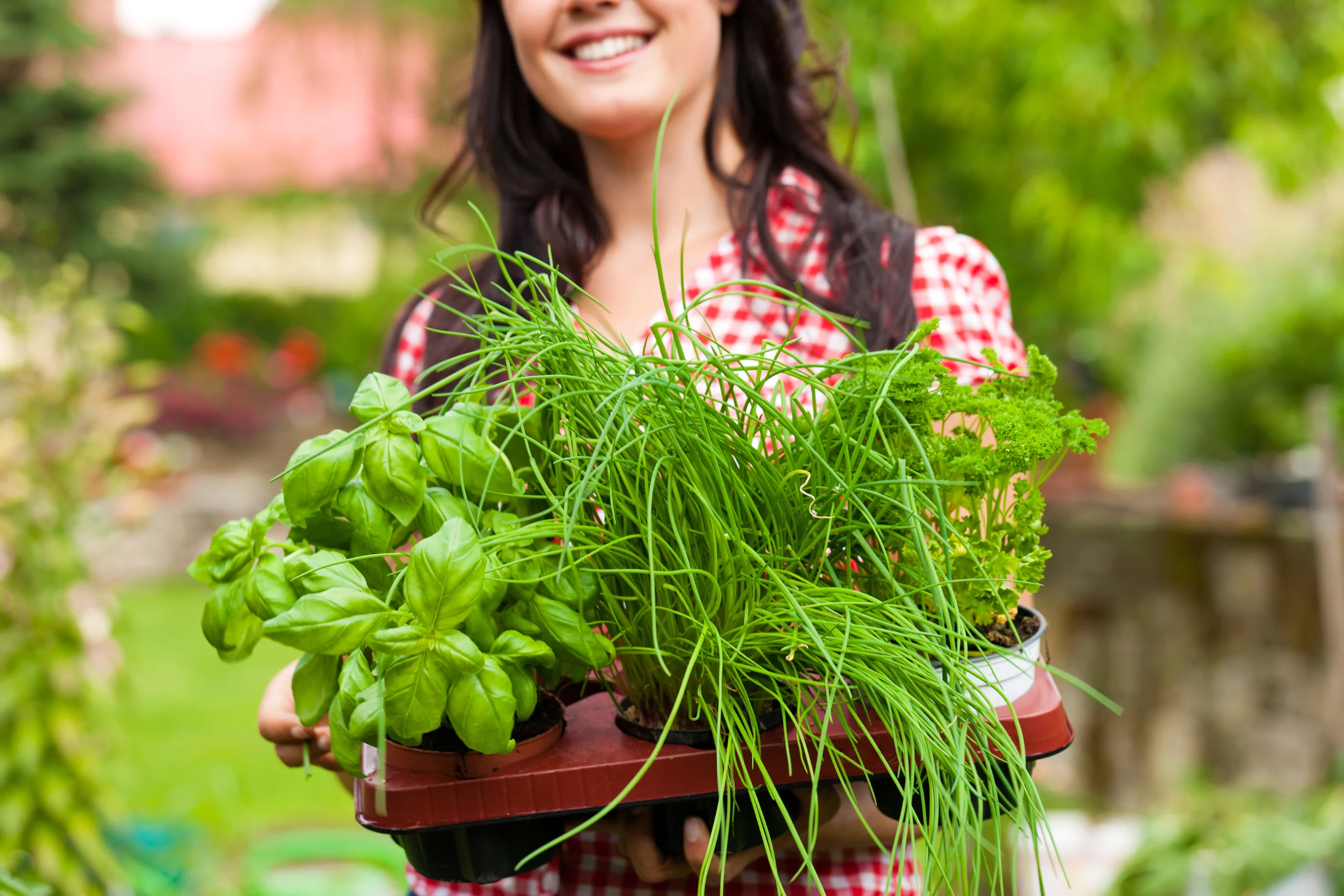
In an age of wellness trends, farm-to-table cooking, and natural living, herb farming has blossomed from a quaint backyard hobby into a legitimate business opportunity. Whether you’re cultivating rosemary for restaurants or harvesting lavender for handmade soaps, starting an herb farming business from home can be a rewarding way to turn your green thumb into green income.
From culinary herbs to medicinal plants and aromatherapy oils, demand for herbs continues to climb. If you’re passionate about plants, health, and sustainability, this could be your perfect small business. But before you dig in, there’s a lot to consider—like what herbs to grow, how to market your business, and how to stand out in a competitive (but thriving) industry.
Here’s everything you need to know to get started.
Table of Contents
Why Herb Farming Is in Demand
Herbs have been used for centuries—for flavoring food, healing the body, or calming the mind. However, today’s herb market is experiencing a surge in momentum. According to the American Botanical Council, the sale of herbal dietary supplements reached over $5 billion in the U.S. back in 2009, and has only grown since. Factors fueling this growth include:
- The wellness boom: More consumers are seeking natural remedies, herbal teas, supplements, and essential oils to support immunity, alleviate stress, and manage chronic health issues.
- Culinary trends: Gourmet cooking shows, food influencers, and the growing popularity of organic ingredients have increased demand for fresh, high-quality herbs in kitchens everywhere.
- Sustainability and local sourcing: Shoppers are choosing locally grown, chemical-free herbs from small farms over mass-produced imports.
This convergence of food, health, and sustainability makes herb farming one of the few agricultural niches where small-scale growers can thrive.
Who’s Buying Herbs? Understanding Your Target Market
One of the most appealing things about herb farming is how diverse your customer base can be. Here are some of the main markets you can tap into:
1. Restaurants and Caterers
Chefs—especially those focused on organic or locally sourced menus—love fresh, fragrant herbs. Supplying restaurants can be a steady and profitable revenue stream if you can deliver consistent quality.
2. Health and Wellness Brands
From herbal teas and tinctures to salves and supplements, holistic medicine companies need reliable sources of medicinal herbs like echinacea, calendula, and chamomile.
3. Crafters and Artisans
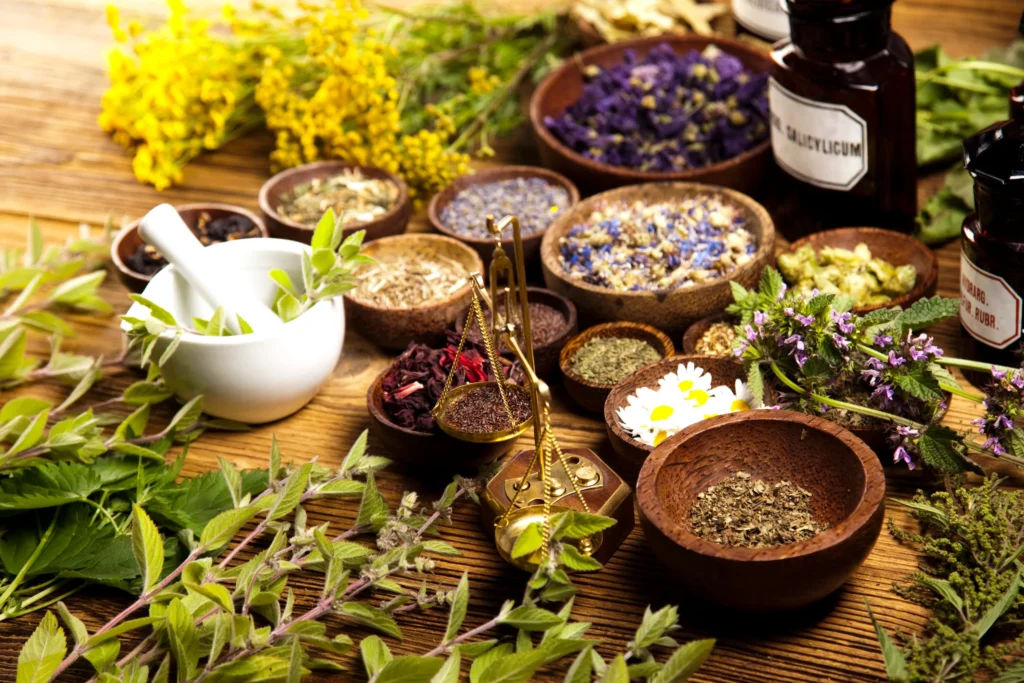
Soapmakers, candle makers, and wreath designers often buy dried herbs like lavender, sage, or rosemary in bulk.
4. Aromatherapists and Essential Oil Companies
High-quality herbs like clary sage, peppermint, or lemon balm are used to create essential oils. These buyers are very particular about plant quality, harvest timing, and drying practices.
5. Home Gardeners and Nurseries
You can also grow live herb plants in containers to sell at local farmers markets or garden centers.
6. Direct-to-Consumer
You can sell culinary herbs, dried herbs, or DIY herbal kits via your own website, Etsy, or local farmers markets.
The bottom line? The possibilities are endless—you just need to choose a niche that matches your skills and local demand.
How Are Herbs Used in Business?
Herbs are used in far more than just cooking. Here’s a breakdown of common herb-based products and uses:
- Fresh herbs: Sold directly to restaurants, grocery stores, and consumers.
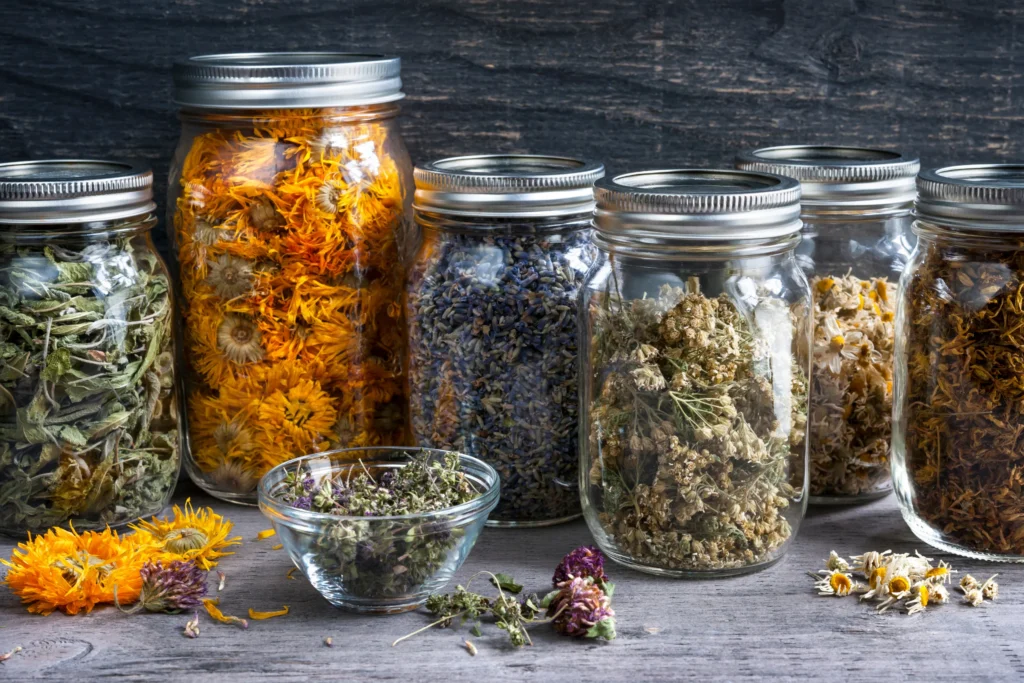
- Dried herbs: Used for teas, seasoning blends, potpourri, and crafts.
- Herbal remedies: Tinctures, capsules, and salves sold by wellness brands.
- Essential oils: Used in aromatherapy, cosmetics, and holistic healing.
- Beauty and skincare products: Infused oils, balms, soaps, and lotions.
- Crafts and gifts: Dried herb wreaths, herbal sachets, candles, bath salts.
This diversity allows you to start small with a few products and gradually expand your offerings as your business grows.
Startup Costs for an Herb Farming Business
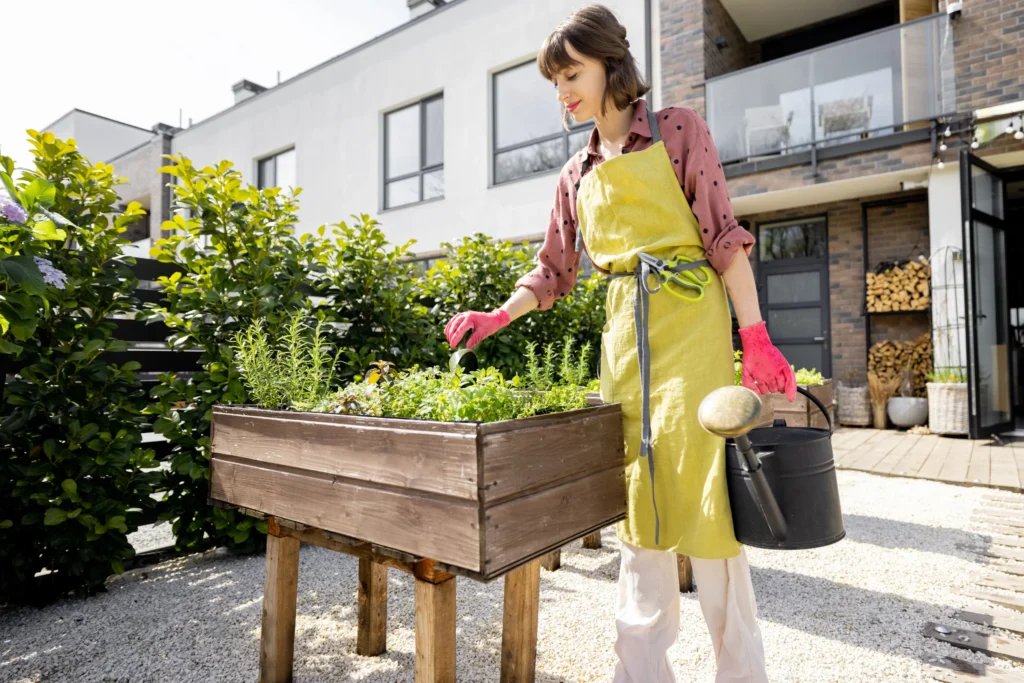
Your startup costs will vary depending on the size and scale of your operation. A basic herb farming business from home can be surprisingly affordable:
Low-Budget Backyard Setup: $500 – $2,000
- Seedlings or seeds
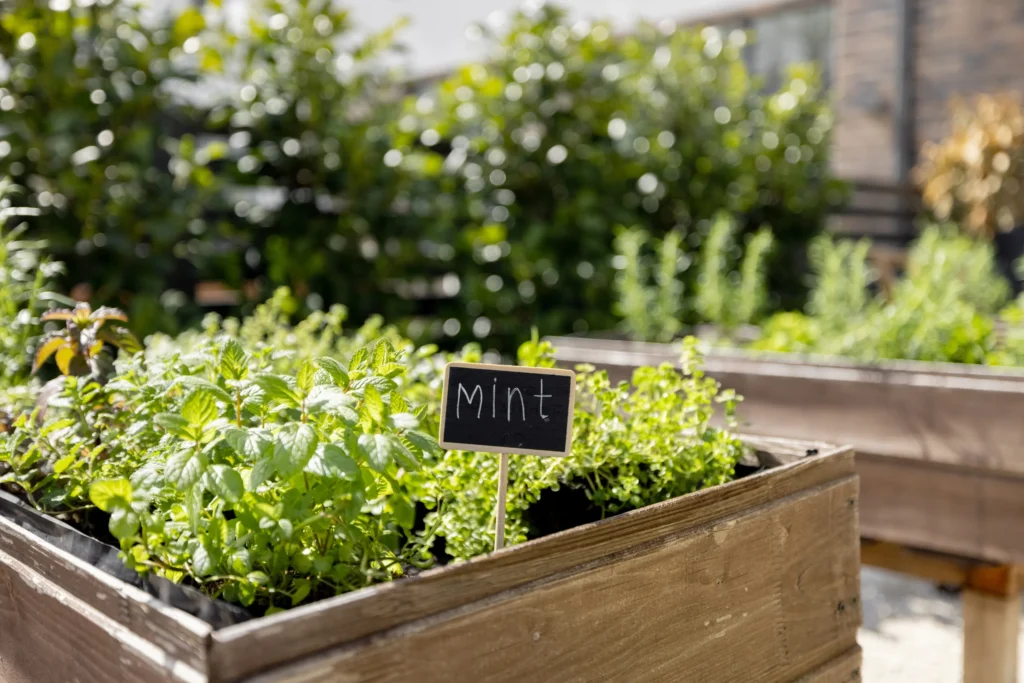
- Raised beds or containers
- Organic compost and soil amendments
- Basic tools (trowels, gloves, watering cans)
- Starter greenhouse or cold frames (optional)
- Packaging materials (if selling dried herbs)
Mid-Scale Business or Greenhouse Operation: $10,000 – $40,000+
- Greenhouse installation
- Irrigation systems
- Commercial-grade drying racks
- Dehydrator for drying herbs evenly
- Labeling and packaging machines
- Website development and e-commerce platform
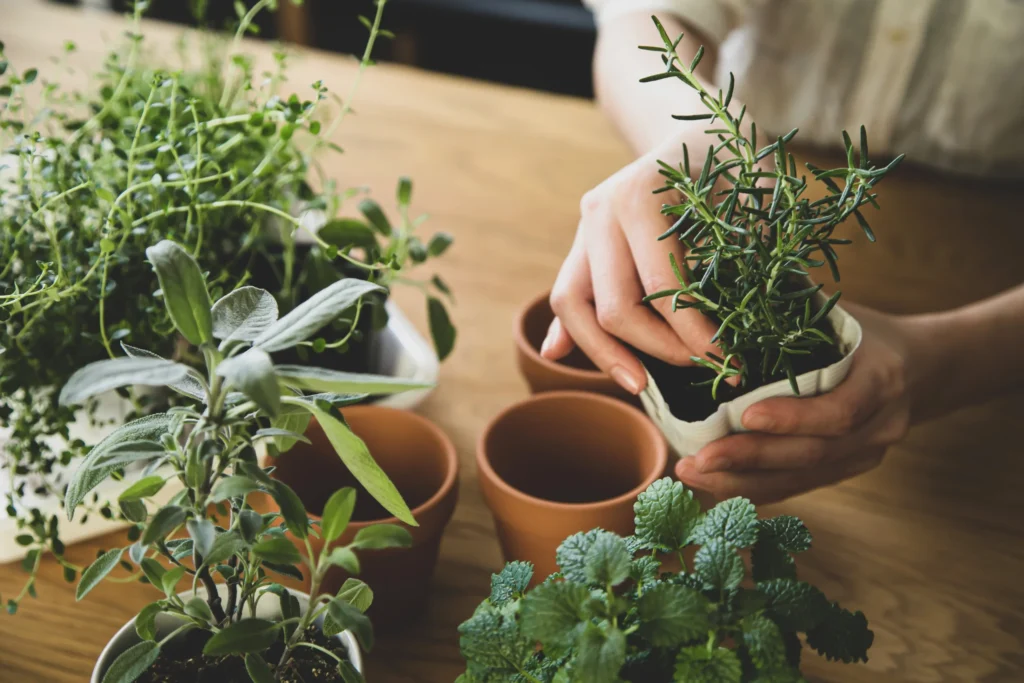
Remember, you don’t have to start big. Many successful herb farms started as a few pots of basil and thyme on a sunny porch.
How to Market Your Herb Farming Business
Once you’ve grown your first harvest, the next challenge is getting people to buy. Luckily, herb farming lends itself well to authentic, grassroots-style marketing.
1. Farmers’ Markets
Sell directly to consumers and build relationships with your local community. Offer samples, bundle products, and tell your farm story.
2. Social Media
Platforms like Instagram and TikTok are ideal for showing off lush herb gardens, DIY recipes, and product uses. Consistent, educational, and engaging content will help build your audience.
3. Your Website
A simple e-commerce site with a blog can help you reach more customers. Share growing tips, herbal recipes, or behind-the-scenes farming videos to drive traffic and establish credibility.
4. Collaborate with Local Businesses
Reach out to local cafes, holistic healers, yoga studios, and spas. Offer to sell wholesale or create co-branded products.
5. Email Marketing
Start collecting emails early. Send updates on new products, growing seasons, and herbal remedies—building trust and loyalty over time.
6. Educational Workshops
Consider hosting classes on herb gardening, making teas, or creating skincare products. This not only earns extra income but establishes you as a local expert.
Challenges of Starting an Herb Farming Business
While rewarding, herb farming does come with its own set of hurdles. Being aware of these challenges upfront can help you navigate them more effectively.
1. Consistency and Supply
Buyers want consistent quality and availability. Poor harvests or irregular delivery schedules can lead to lost customers. Planning, scheduling, and even drying herbs for off-season sales is key.
2. Competition
The herb market, especially online, is crowded. That’s why choosing a niche, telling a strong brand story, and offering superior quality are essential.
3. Legal and Regulatory Requirements
If you’re making herbal remedies or selling products with medicinal claims, you’ll need to understand FDA guidelines and state-specific regulations.
4. Perishability
Fresh herbs have a short shelf life. You’ll need efficient harvesting, packaging, and delivery strategies.
5. Scaling Up
It’s easy to outgrow your space. If you want to expand, you’ll eventually need more land, staff, or infrastructure. This takes planning and reinvestment.
Tips for Success in the Herb Business
To increase your chances of thriving, here are some essential best practices:
- Start with 5–7 core herbs that have multiple uses (culinary + medicinal + crafting).
- Test your soil before planting to ensure ideal pH and nutrient levels.
- Harvest at the right time of day and season for peak flavor and potency.
- Dry and store herbs properly to preserve their value.
- Brand your products creatively—use eco-friendly packaging, include herb facts, and share your farming story.
- Stay informed on herbal trends, new products, and changing regulations.
- Build strong relationships with customers by being reliable, honest, and responsive.
Final Thoughts: Grow Small, Dream Big
Starting an herb farming business from home is more than a side hustle—it’s a chance to nurture something meaningful, profitable, and sustainable. Whether you’re selling lavender salves at a local market or shipping organic mint to mixologists across the country, the herb world is as versatile as it is fragrant.
And best of all? You don’t need a massive budget or acres of land to start. With a little patience, creativity, and commitment, you can plant the seeds of a business that grows just as fast as your herbs.