


Are you considering launching your own podcast? With its surge in popularity, podcasting has become an influential platform for storytelling, education, and entertainment. This medium is ideal whether you’re an individual with a unique message or a business aiming to broaden your audience. Podcasting offers various opportunities: it can be a fun hobby, a way to earn extra income or even the foundation of a business venture.
In this guide, we’ll provide you with a comprehensive walkthrough on how to start a podcast. Whether you’re a seasoned storyteller, a budding entrepreneur, or someone with a unique perspective, this guide will walk you through the essentials of podcast creation – from conceptualizing your show’s theme to hitting the ‘Publish’ button. We’ll cover essential dos and don’ts and offer insights on monetizing your podcast effectively.
Here are the steps to start a podcast:
Table of Contents
What’s a Podcast, Anyway?
A podcast is essentially a digital audio program, like a personal radio show, available to listen to anytime and anywhere. It typically consists of a series of episodes, each a single recording that contributes to the larger theme or narrative of the series. These podcasts cover various topics, from news and stories to education and comedy, offering something for everyone.
What makes podcasts incredibly accessible is their digital format, allowing you to download or stream episodes directly from the internet. This flexibility means you can enjoy podcasts while commuting, working out, or relaxing at home. Many podcasts are distributed using a hosting service, which stores all the episodes in one convenient location, simplifying access for listeners.
The real charm of podcasts lies in their variety and convenience. They are like having an array of your favorite talk shows, stories, or audiobooks in your pocket, ready to engage, entertain, or educate you at your command. This on-demand nature of podcasts has made them a popular choice for people looking to consume audio content in a way that fits their lifestyle.
Why Start a Podcast?
There are myriad reasons to start a podcast, from building your brand and sharing unique perspectives to forging connections with a community that shares your interests. Embarking on a podcasting journey can be incredibly rewarding, offering numerous benefits, particularly if you have a deep passion for a topic or insightful thoughts to share. Considering these factors, starting a podcast could be a highly beneficial move.
Here are some key reasons to consider starting a podcast:
- Share Your Passion: Podcasting is an excellent platform to talk about topics you are passionate about and to share your unique perspective.
- Build Authority and Credibility: Hosting a podcast on a subject you’re knowledgeable about can establish you as an expert in your field.
- Content Marketing Tool: It’s an effective way to market content, especially for businesses, as it allows you to engage with your audience on a more personal level.
- Cost-Effective: Podcasting can be very affordable, with minimal initial investment required for equipment and hosting.
- Networking Opportunities: Hosting a podcast can help you network with other experts and enthusiasts in your field. Podcasts let you connect with others who share your interests, which can help your career or business.
- Building an Audience: Podcasts can help you build a loyal audience who shares your interests or values. Some popular podcasts have millions of listeners. It’s a cost-effective way to gather a following.
- Job Market Advantage: Having a podcast can make you stand out in job applications, showcasing your communication skills and initiative.
- Monetization Opportunities: There are opportunities to monetize your podcast through sponsorships, ads, and listener support. Podcasts can also help you sell products or services.
- Authentic Engagement: Podcasts allow for authentic conversations, which can be more engaging than written blog posts or social media updates.
- For fun: You don’t need a business goal to start a podcast. It can be purely for enjoyment.
Myths About Podcasts
Don’t let these common myths stop you from starting your podcast:
- You Need Special Skills. All you really need is to be able to talk about something you love. Expertise is great, but passion is key.
- You Need Fancy Equipment. You probably already have what you need to start. There are free tools and resources to help you begin.
- Podcasts Are Outdated. Not true. Podcasts are still popular, and big companies are investing in them.
- You Need a Big Audience Already. You don’t have to be famous to start. Good content can attract listeners.
- Episodes Must Be Long. There’s no rule about length. Make your episodes as short or long as your audience likes.
Starting Your Podcast in 5 Easy Steps
In today’s digital world, where everyone has a story to tell, podcasts have emerged as a powerful medium to share those stories, thoughts, and expertise. Starting your podcast might seem daunting, but it doesn’t have to be. You can launch your podcast in five easy steps with the right approach.
If you want to start a podcast, follow these steps to get on the right track.
1. Conceptualizing your podcast
Pick Your Topic
Choosing a specific topic or niche is key. It might feel like you’re limiting yourself, but it actually helps focus your content and attract a dedicated audience. Find something you can talk about for many episodes yet specific enough to interest a certain group of listeners.
Check Out Other Podcasts
Before recording, see what’s already out there. Are there many podcasts on your topic, or just a few? Understanding this helps you figure out how to make your podcast stand out.
Decide On Your Format and How Often You’ll Post
Will you host your podcast alone or with others? Planning this is essential, especially if you want to include guests. Also, consider how often you will publish your podcasts. Will you release daily, weekly, or biweekly episodes? Sticking to a regular schedule is important to keep your audience coming back.
Know Your Audience
Who are you making this podcast for? Understanding your ideal listener is crucial. Think about:
- Their age.
- Where they live.
- Their job.
- What media do they like?
- If they listen to podcasts.
- Their hobbies.
- Common problems they face.
- What they’re curious to learn more about.
2. Creating Your Podcast’s Brand and Online Presence
Choose a catchy name
Choosing the right name for your podcast is super important. It should connect with your topic and be catchy or memorable. Keep your title short and sweet. A study by Pacific Content found that most successful podcast titles have 29 characters or less. Try not to include ‘Podcast’ in the name – it’s unnecessary and takes up space.
Design Your Podcast Logo and Cover Art
Next is your branding, including your show’s cover art, color scheme, logo, and any custom designs or sounds. Visuals matter! Your logo and cover art should grab attention and hint at your podcast’s theme.
You can use a free tool like Canva to create your cover art or hire a graphic designer for a professional touch. You can collaborate with a musician or pick something from a royalty-free music library for unique intro or outro music.
Create quality content
Focus on producing high-quality, consistent content that appeals to your target audience. If you struggle with content ideas, invite guests, cover trending topics, or ask your audience what they want to hear.
Set Up a Website or RSS Feed
Once you’ve recorded a few episodes, you must make them available to listeners. One way is to build a website for your podcast. You can use free or paid tools for this, but paid options often offer more customization. You can let people download or directly listen to your episodes on your website.
Another option is creating an RSS feed with a podcast hosting site, like Anchor or BuzzSprout. Unlike regular web hosts, these are tailored for podcasts and don’t require a full website to get your podcast on Apple, Spotify, or other directories.
Many companies offer to host your podcast and create an RSS feed for free or cheaply. Just upload your episodes and basic info, and you’ll get an RSS feed to submit to podcast directories.
Choose a Hosting Platform
Your hosting platform is where your podcast lives. Choose one that fits your budget and technical needs.
Choosing the right hosting platform for your podcast involves several considerations:
- Ease of Use: Select a user-friendly platform, especially if you are a beginner. Look for intuitive interfaces and straightforward navigation.
- Distribution Capabilities: Ensure the platform can distribute your podcast to major directories like Apple Podcasts, Spotify, and Google Podcasts.
- Monetization Options: If you aim to monetize your podcast, choose a platform offering sponsorships, advertisements, or listener support features.
- Analytics and Reporting: Analytics are crucial for understanding your audience. Look for platforms that provide detailed insights into listener behavior and episode performance.
- Storage and Bandwidth: Consider the amount of storage and bandwidth offered, especially if you plan to release episodes frequently or have long-form content.
- Pricing: Compare pricing plans. Some platforms offer free plans with basic features, while others require a subscription for advanced features.
- Customer Support: Good customer support can be invaluable, particularly for resolving technical issues or getting assistance with your podcast.
Some popular podcast hosting platforms as of 2024:
- Podbean
- Acast
- Spotify for Podcasters
- Buzzsprout
- Captivate
- Castos
- HelloCast
- BluBrry
- Fusebox
- Anchor
- Sounder.fm
- RedCircle
- Libsyn
- Omny Studio
- RSS.com
- Transistor
These platforms offer a range of features, including easy publishing, distribution to major platforms, analytics, and monetization options.
Ultimately, the best platform depends on your specific needs, budget, and podcasting goals.
Create Social Media Profiles
Setting up social media profiles under your podcast’s name is a good idea when starting a podcast. Choose the platforms your audience uses the most, which will help promote your podcast effectively.
Submitting to a Podcast Platform
This isn’t a must, but it’s a great way to reach more listeners. Submit your podcast to directories like Apple, Spotify, Stitcher, Audible, Google Podcasts, and iHeartRadio. Once you’re on these platforms, people can find your podcast easily by searching by title or keywords.
3. Getting Your Podcast Equipment and Software
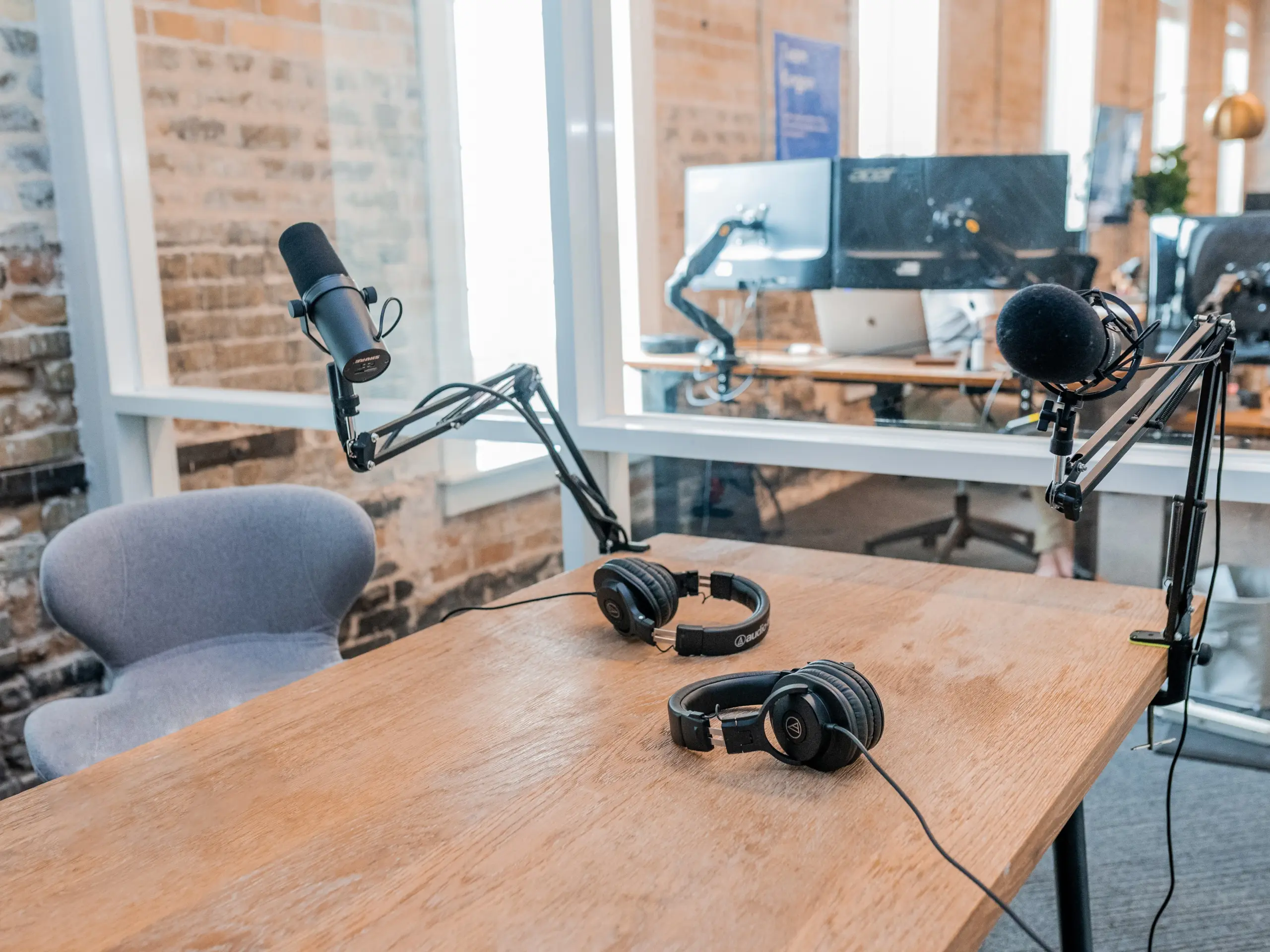
Equipment needed to start a podcast
You don’t need a professional studio, but a few key pieces of equipment will significantly improve your podcast’s quality.
- Computer: Essential for recording, editing, and uploading your podcast.
- Audio Software for Podcasting: Software like Audacity or Adobe Audition can be used to record and edit your podcasts.
- Podcast Microphones: Quality microphones ensure clear audio. Options vary from USB microphones to more professional XLR mics.
- Audio Interfaces for Podcasting: An audio interface connects microphones and other audio equipment to your computer, ensuring better sound quality.
- Headphones: Necessary for monitoring audio while recording and editing.
- Audio Mixer: Useful for managing multiple audio sources, especially if you have guests or co-hosts.
- Additional Equipment: This can include pop filters, microphone stands, and acoustic treatments for your recording space.
You can start recording with just your computer, tablet, or phone. But for clearer audio, many podcasters suggest buying a separate microphone. You can find podcast microphones ranging from $20 to $10,000.
For editing, you don’t have to spend money if you don’t want to. GarageBand is a great free choice for Apple users, and Audacity works well on any device for free, too. If you’re looking for something more advanced, you might consider Adobe Audition, Logic Pro X, or Hindenburg Journalist.
Not into editing? No problem. Hire a freelance podcast editor from websites like Fiverr, Upwork, Craigslist, or Facebook.
Set up a recording space.
Your recording space doesn’t need to be fancy, but setting up a recording space for your podcast involves a few key steps to ensure good sound quality:
- Choose the Right Space: To minimize echo and external noise, select a quiet room, ideally small to medium-sized.
- Soundproof the Room: Soundproofing is crucial. Use acoustic foam or heavy curtains to dampen sound and reduce echo. Clear out items that vibrate or cause noise.
- Arrange a Comfortable Setup: Include a comfortable desk and chair, as you’ll spend a lot of time recording.
- Consider Room Aesthetics: If you plan to video record your podcast, pay attention to the visual appeal of your space.
- Set Up Your Recording Equipment: Position your microphone, computer, and any other recording equipment in an easily accessible and ergonomic manner.
- Test Your Setup: Before starting, test your setup to ensure there are no unwanted sounds or technical issues.
Remember, your recording space’s quality significantly impacts your podcast’s sound quality.
4. Record and Polish Your First Podcast
Record your podcast
Once you have your gear, it’s time to start recording. Some podcasters prefer scripting their episodes, while others go with the flow. It’s up to you.
Good recording practices can save a lot of time in editing. Speak clearly and monitor your levels.
Remember, pausing, taking breaks, or re-recording parts is normal. Editing your audio is key to making a polished final episode. Like any skill, you’ll get better at podcasting the more you do it.
Pick Your Episode Titles
Give each episode a unique title that clearly tells listeners what it’s about. It’s tempting to go for clever titles, but clear and descriptive ones are better for helping people find your podcast in searches.
Write Descriptions for Your Show and Episodes
It would be best to have a catchy show description to let listeners know what your podcast is about. Answer these questions:
- What’s your podcast about?
- Who’s it for?
- What can listeners expect?
- Why should they listen?
- When do new episodes come out?
- Where else can they connect with you?
For each episode, write a concise description and include any relevant links.
Post-production Work
Editing can transform your raw audio into a polished episode. Learn the basics of cutting, fading, and layering tracks.
Add music and sound effects, as these can enhance your podcast, but ensure you have the right to use them.
5. Spreading the Word About Your Podcast
Now that your podcast is ready, it’s time to let people know about it. You can start by sharing links with friends and family or even create a social media ad campaign. It’s all up to you.
Utilize Guests’ Audiences
If you have guests, leverage their audience by encouraging them to share episodes they appear in.
Release Multiple Episodes on Launch Day
Releasing several episodes at once can help hook new listeners and give them more content to engage with initially.
Submit Your Episodes to Podcast Directories
When your podcast is ready, please submit it to your chosen podcast platforms. This will make it available for people to find and listen to.
Transcribe Episodes
Transcribe your podcast episodes into written content for increased accessibility and the benefits of search engine optimization (SEO). Transcriptions make your podcast episodes more accessible to a wider audience, including those who are deaf or hard of hearing.
Transcripts provide a basis for creating additional content like blog posts, social media snippets, and more. It also allows listeners to reference and engage with specific parts of your episodes easily.
Leverage Social Media
Actively promote your podcast on various social media platforms to engage with your audience and reach potential listeners.
Social media platforms like Instagram, Twitter, Facebook, and TikTok are great for promoting your podcast. Use your existing social media accounts to share your podcast, or set up new ones just for your podcast to connect with your audience.
Build your Community
Engage with your listeners through social media, email newsletters, or live events to build a loyal community. Your community is your biggest asset.
Earning Money from Your Podcast
There are various ways to make money with your podcast, whether you have a big audience or just a few loyal listeners. It’s smart to have more than one way to earn money to avoid financial risks.
Sponsored Ads
You might have heard ads in popular podcasts where the host talks about a product. Companies pay for this kind of promotion. You’ll need many listeners and info about your audience to attract these sponsors.
Affiliate Codes or Links
Another way to earn is through affiliate codes or links. You get a commission when your listeners use a special code or link to buy something. You can share these codes in your podcast and on social media.
Selling Your Products or Services
If you already sell something, talk about it on your podcast! Explaining your products or services can encourage listeners to buy.
Consulting or Coaching
If you’re an expert on your podcast topic, you might find listeners who want personal advice or coaching. Use your podcast to offer these services.
Accepting Donations or Tips
Podcasting takes effort and money. You can ask your listeners for donations to help cover your costs. Be clear about what you’ll use the money for, like upgrading equipment or paying for help. You can use platforms like Venmo, Patreon, or GoFundMe for this.
Gated Content or Memberships
While most podcasts are free, you can make extra money by offering special episodes behind a paywall. Listeners would need to pay or subscribe to get this exclusive content. Platforms like Patreon and Buy Me a Coffee are popular for this.
Advertising Networks
Think of a podcast advertising network as an agent for your podcast. They have connections with brands and can find advertising opportunities for you. Some networks let you connect with advertisers directly, while others pitch for you. AdvertiseCast, PodcastOne, and Megaphone are a few examples. Remember, you might need a certain number of subscribers to join these networks.
Selling Merchandise
Depending on your podcast’s theme and audience, you could sell branded merchandise like T-shirts or planners with your podcast’s logo or catchphrases.
Bottom Line
Starting a podcast can be really rewarding, but it takes some hard work initially. Your podcast can be financially and emotionally fulfilling with the right approach and dedication.
Keys to a Successful Podcast
Podcasting isn’t just about recording conversations. It’s a medium that blends creativity with strategy. Before diving in, understanding current trends, popular genres, and what makes a podcast successful is crucial.
Creating a successful podcast involves several key factors:
- Choose Your Topic Wisely: The key to a successful podcast lies in being driven by passion and having a clear, defined goal. Select a subject you are knowledgeable and passionate about. This helps create engaging content that resonates with your audience.
- Quality Production: Ensure high-quality audio and content. Investing in good equipment and editing software can significantly enhance the listening experience.
- Engaging Host: Be an interesting and engaging host who can captivate listeners. Knowledge and enthusiasm about the podcast’s subject matter are crucial.
- Clear Goals: Set clear goals for your podcast. This could be building an audience, sharing a message, or monetizing the podcast. Clear goals guide your content and growth strategies.
- Target Audience: Have a clear understanding of your target audience. Tailor your content to meet their interests and preferences.
- Consistency: Be consistent with your content. Regular posting schedules help in building a loyal audience.
- Sustainability: Make sure your podcasting efforts are sustainable in the long term, both in terms of content and resources.
- Marketing and Promotion: Actively promote your podcast through social media, collaborations, and podcast directories to reach a wider audience.
- Feedback and Adaptation: Listen to feedback from your audience and adapt your content accordingly. This helps in continuous improvement and relevance.
- Plan for technical issues: Be prepared to handle technical issues. From audio glitches to software crashes, technical issues are inevitable. Have a plan to tackle them swiftly.
- Keep learning: Stay informed about the latest trends in podcasting, like live podcasting or video integration, to keep your podcast fresh and engaging.
Following these keys can significantly increase your chances of creating a successful podcast that resonates with listeners and achieves your goals.
Frequently Asked Questions
How much does it cost to start a podcast?
The cost can vary depending on the equipment and software you choose. You can start with no cost at all using free software and equipment you already have, like a phone or computer. You can also make your cover art and other graphics for free. Start with a basic setup and upgrade as you grow.
How long should my podcast episodes be?
There’s no one-size-fits-all answer. Consider your topic and audience. Some prefer bite-sized content, while others love longer, in-depth discussions.
How many episodes do I need to start a podcast?
You technically need just one episode to start, but it’s good to have a few ready to keep up with your release schedule.
How often should I release new episodes?
Consistency is key. Whether weekly, bi-weekly, or monthly, find a schedule that works for you and stick to it.
Do I need a co-host?
Not necessarily, but a co-host can add a dynamic to your podcast and make it more engaging. It’s all about your personal preference and the format of your show.
Is a podcast a good investment?
It depends. Some podcasts make a lot of money, but it usually takes time and effort. Market your podcast smartly, be smart in marketing it, and consistently produce it to build an audience that leads to sales.
Do I need any special licenses to start a podcast?
No special licenses are needed to start a podcast. Just make sure any music you use is royalty-free to avoid copyright issues.
What basic equipment do I need?
For a podcast, you’ll need a computer with internet, a good microphone (USB or XLR) with a windscreen or pop filter, a microphone stand, headphones, a mixer, acoustic treatments to improve sound quality, and recording and editing software.
Conclusion
Starting a podcast can be a fulfilling journey. Remember, every successful podcaster started just where you are now. Keep pushing, stay passionate, and let your voice be heard!
1 thought on “How to Start a Podcast and Make Money In 2025”
Comments are closed.