

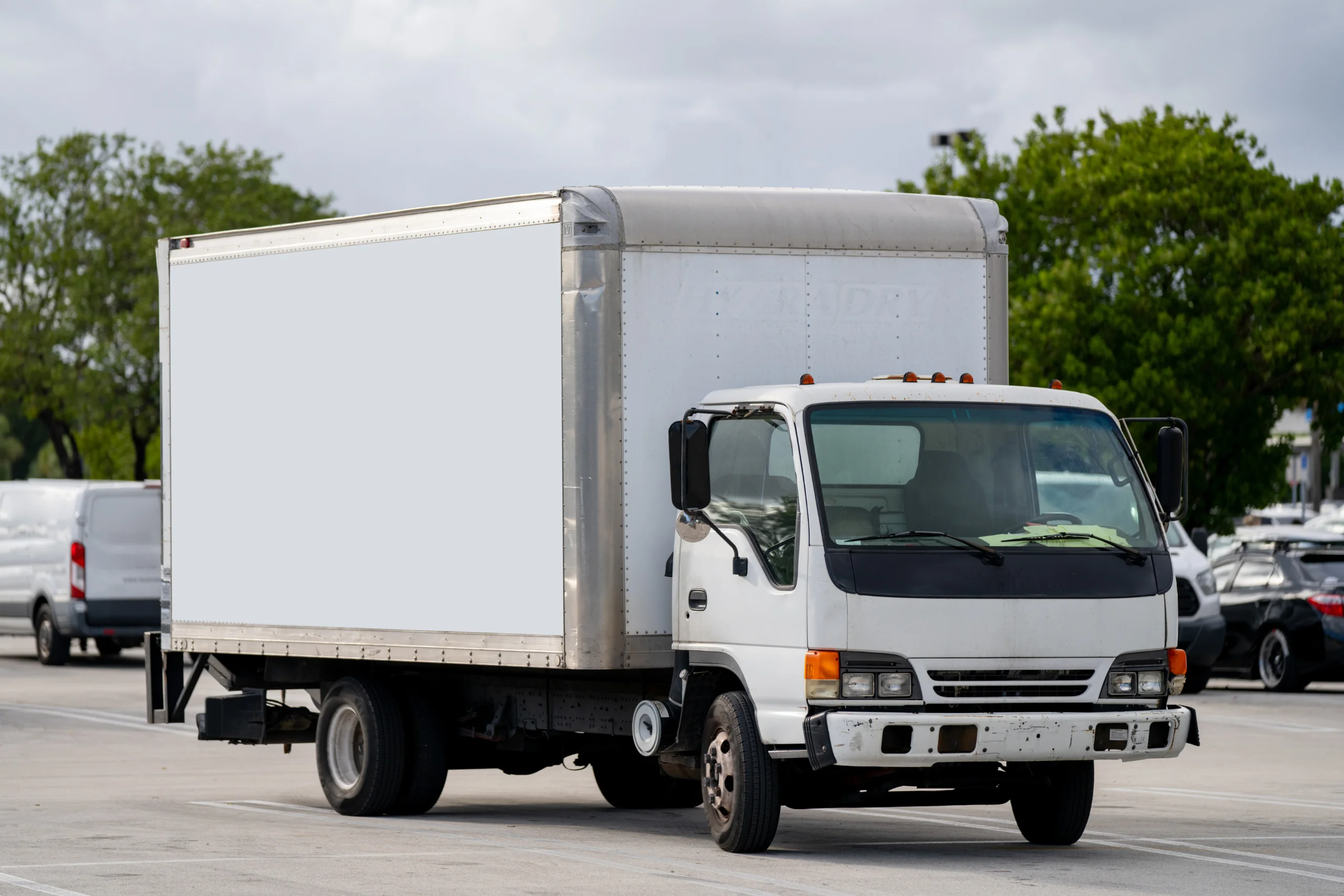
The logistics and transportation industry is a vital sector that continues to expand with the growth of online shopping, just-in-time inventory practices, and the increasing need for on-demand delivery services. Starting a box truck business offers an excellent opportunity for entrepreneurs to capitalize on these trends and meet the growing demand for shipping and delivery solutions.
Starting a box truck business can be lucrative for entrepreneurs looking to tap into the transport and logistics industry. Box trucks are versatile vehicles commonly used for transporting goods and services over short to medium distances. They are particularly valuable for e-commerce deliveries, furniture moving, and freight hauling.
This guide will take you through the essential steps of setting up a successful box truck business, starting with crucial market research and strategic business planning to operation.
Table of Contents

What is a Box Truck Business?
A box truck business involves transporting goods using medium-sized trucks equipped with a cube-shaped cargo area on the back. Given their size and maneuverability compared to larger trucks, these trucks are ideal for hauling various types of cargo, especially for local deliveries and moves.
Box trucks are commonly used by courier companies, furniture and appliance stores, moving services, and any business that requires the shipment of goods within a city or metropolitan area.
Profitable Niches and Target Markets for Box Truck Businesses
In the bustling world of logistics and transportation, the box truck business stands out as a versatile and vital player. Catering to a wide array of needs, from local deliveries to large-scale moving services, box trucks offer an essential service to both businesses and consumers. As the demand for efficient, reliable delivery solutions continues to rise alongside the growth of online shopping and urbanization, identifying the right niche within the box truck industry can lead to significant profitability and long-term success.
1. Local Delivery Services: Many small businesses and e-commerce companies require local delivery services to transport their products directly to customers. Box trucks are perfect for this role because they can navigate urban environments more easily than larger vehicles. With the rise of online shopping, this market has seen significant growth.
2. Residential Moving Services: Individuals and families moving within or between nearby cities often seek reliable moving services. Box trucks are ideal for these moves, as they can typically handle the furniture and belongings of an average household in one or two trips.
3. Commercial Moving Services: Similar to residential moving, commercial moving services cater to businesses relocating their offices or facilities. This can include moving office furniture, equipment, and supplies. Box trucks are suited for such tasks due to their spacious cargo holds and ease of loading and unloading.
4. Freight Hauling: Box trucks offer a more cost-effective solution for businesses that need to transport larger quantities of goods without the extensive space of a semi-truck. This niche can include regular deliveries to local retailers or providing distribution services for smaller manufacturers.
5. Specialty Transportation: Some box trucks have refrigeration units, making them suitable for transporting perishable goods such as food or flowers. This niche market requires adherence to specific regulatory standards but can be quite lucrative due to the specialized nature of the services.
6. Furniture and Appliance Delivery: Retailers who sell large items such as furniture or appliances often use box trucks to deliver them to customers. This service may also include installation or assembly, providing additional revenue streams.
7. Event Catering and Support: Event organizers often need to transport equipment, decorations, and supplies to and from event sites. Box trucks are ideal for these tasks due to their capacity and the ability to secure items during transit.
8. Subcontracting for Larger Corporations: Many large logistics and courier companies subcontract parts of their delivery operations to smaller box truck operators. This can provide steady work and income, particularly if you can secure contracts with well-known companies.
9. Waste Removal and Recycling Services: Offering services for non-hazardous waste removal, such as for large events, commercial facilities, or after-construction projects, can be another profitable niche. Some companies also focus on transporting materials to recycling centers.

How to Start a Box Truck Business
Step 1: Market Research and Business Planning
Market Analysis
Before you dive into the world of logistics and purchase your first box truck, it is critical to understand the landscape of the delivery services market in your target area.
Conducting thorough market research helps you gauge demand, identify potential customers, understand customer needs, study competition, and identify service gaps your business could fill. Market research can also help you determine the most profitable niches: residential moving services, commercial freight deliveries, or subcontracting to larger logistics companies.
Here are additional steps to enhance your market analysis:
- Demographic and Geographic Assessment: Analyze your target market’s demographic and geographic characteristics. Understanding who your customers are (businesses or consumers) and their location will help tailor your services to meet their specific needs.
- Industry Trends: Stay updated on broader logistics and transportation trends, such as the increase in last-mile delivery services, changes in fuel costs, and technological advancements like drone delivery or automated trucks.
- Regulatory Environment: Research the regulatory landscape for transportation services in your area, as this could impact your operational model and cost structure.
Business Plan
A well-crafted business plan is your blueprint for success. It is crucial for clarifying your business vision and essential for attracting investors or securing loans.
Develop a comprehensive business plan that outlines your business model, services offered, pricing strategy, marketing approach, and financial projections. Include an analysis of your startup costs, expected revenue, profit margins, and breakeven point. This plan will serve as a roadmap for your business and is crucial for securing financing.
Here are further details to consider when developing your business plan:
- Operational Structure: Detail how your business will operate day-to-day. Outline your staffing needs, the number of trucks you plan to start with, and your maintenance and logistics management approach.
- Marketing Strategy: Develop a robust marketing strategy that outlines attracting and retaining customers. Include plans for both digital and traditional marketing tactics.
- Risk Assessment: Evaluate potential risks, including economic downturns, vehicle breakdowns, and changes in fuel prices, and how you will mitigate these risks.
- Growth Strategy: Define your strategy for scaling the business. Consider how you will expand your fleet, enter new markets, or diversify your services over time.
Competitive Analysis
Understand who your competitors are, their services, and how they are positioned in the market. Identify the unique selling proposition (USP) that differentiates your service. Analyzing your competitors’ strengths and weaknesses can also offer strategic insights into how you can carve out a niche in the market.
Starting a box truck business requires careful planning, a deep understanding of the market, and strategic execution. Thoroughly analyzing your market and crafting a detailed business plan can set a strong foundation for a profitable and sustainable business.

Step 2: Legal and Regulatory Compliance
Navigating the legal and regulatory landscape is critical in setting up a box truck business. Ensuring compliance protects the business from legal penalties and builds credibility with customers and partners. Here’s a more detailed look at the various legal and regulatory considerations:
Business Registration:
- Choosing the Right Business Structure: Beyond the LLC, consider other structures like an S corporation or a sole proprietorship based on your financial goals and business needs. Each structure has different implications for taxation, liability, and business operations.
- Obtaining an Employer Identification Number (EIN): Regardless of structure, you’ll likely need an EIN from the IRS for tax purposes. This number is also necessary for opening business bank accounts and hiring employees.
Licenses and Permits:
You may need specific licenses and permits to operate a box truck business depending on your location. These might include a commercial driver’s license (CDL) if your trucks meet certain size and weight requirements, a motor carrier permit, and a USDOT number if you plan to operate interstate.
- Local Business Licenses: Check with your city or county to see if a local business license is required to operate your box truck business within municipal boundaries.
- State Permits and Licenses: Some states require specific permits for trucking operations, including weight and highway use permits, especially if your trucks will be carrying heavy loads.
- Hazardous Materials (HAZMAT): If your business plans to transport hazardous materials, additional federal and state certifications will be required, along with specific training for your drivers.
Other regulatory compliance
- Department of Transportation (DOT) Compliance: Ensuring that all drivers have valid CDLs and adhere to all DOT regulations, including health and drug screenings, log keeping for hours worked, and regular vehicle inspections.
- International Fuel Tax Agreement (IFTA): If operating across state lines, compliance with the IFTA is necessary. This agreement simplifies the reporting of fuel use by motor carriers that operate in more than one jurisdiction.
- Safety Regulations: Compliance with Occupational Safety and Health Administration (OSHA) requirements is crucial to ensure the safety of your operations, particularly in terms of load securing and handling.
Insurance:
Obtain the necessary insurance policies to protect your business and comply with legal requirements. This typically includes liability, cargo, and vehicle insurance for your box trucks. Consider general liability insurance to cover injuries or property damage caused by your operations.
- Workers’ Compensation Insurance: Required in most states if you have employees. It covers medical costs and disability benefits if an employee is injured on the job.
- Umbrella Insurance: Provides additional coverage above and beyond what your other policies cover, which can be crucial in a high-liability industry like transportation.
Environmental Compliance:
- Emissions Regulations: Depending on your state, your trucks may need to comply with specific emissions standards. Regular emissions testing and potential upgrades or modifications to vehicles might be required to meet these standards.
- Idle Reduction Compliance: Some states and municipalities have regulations designed to reduce vehicle idling, which might impact how drivers operate during deliveries and pickups.
Record Keeping and Reporting:
- Maintaining Detailed Records: Keep comprehensive records of vehicle maintenance, driver logs, fuel purchases, and cargo details to ensure compliance with all regulatory requirements and aid in business management.
- Regular Reporting: Depending on the regulatory bodies involved, you may need to submit regular reports regarding vehicle safety, driver working hours, and business operations.
By carefully considering these expanded legal and regulatory aspects, entrepreneurs can better prepare their box truck business for success, ensuring all legal bases are covered and minimizing the risk of penalties or disruptions in business operations.

Step 3: Acquiring Box Trucks
Acquiring the right box trucks is a pivotal decision in setting up a box truck business. This step involves choosing and financing your vehicles and considering long-term operational efficiency and compliance with industry standards. Here’s an expanded overview of the aspects to consider:
Choosing the Right Vehicles:
Select box trucks that meet the specific needs of your services. Consider factors like size, payload capacity, fuel efficiency, and maintenance costs. New trucks offer reliability but come with higher upfront costs, while used trucks can be more affordable but might incur higher maintenance expenses over time.
- Vehicle Condition: When selecting used trucks, thoroughly inspect their mechanical condition, mileage, service history, and any prior damages. This can prevent costly repairs and downtime in the future. Consider hiring a mechanic to conduct inspections.
- Type of Engine and Fuel Type: Diesel engines are common in box trucks and are known for their longevity and fuel efficiency over long distances. However, alternative fuel trucks, such as those powered by natural gas or hybrids, may offer benefits such as lower emissions and fuel cost savings, depending on their availability and your operational needs.
- Cargo Space and Accessibility: Evaluate the configuration of the cargo area. Features like side doors, rear roll-up doors, and low step-in heights can improve operational efficiency and ease for your drivers and loaders.
- Technology and Features: Modern trucks come equipped with advanced safety and navigation features such as rear-view cameras, GPS tracking, and advanced driver-assistance systems which can improve safety and route efficiency. Assess which technological features align with your business needs.
Financing Vehicles:
- Lease vs. Purchase: Leasing can be an attractive option because it typically requires less upfront capital and may include maintenance in the lease agreement, reducing operational headaches. However, if the trucks are expected to endure heavy usage, purchasing might be more cost-effective over time.
- Loan Terms: When financing through a loan, scrutinize the terms, such as the interest rate, loan term, and down payment requirements. Compare these across various lenders to ensure you get the most favorable terms.
- Government and Manufacturer Incentives: Look for incentives offered by government bodies or manufacturers, such as rebates for purchasing fuel-efficient or alternative energy vehicles, which can reduce initial costs.
Additional Considerations:
- Insurance Costs: Insurance premiums can vary significantly based on the truck’s model, age, and intended use. Factor these costs into your overall budget when deciding which trucks to acquire.
- Resale Value: Consider the trucks’ future resale value. Some brands and models are known for retaining value better than others, which can be beneficial if you plan to upgrade your fleet in the future.
- Regulatory Compliance: Ensure that the trucks meet all local, state, and federal regulations, which may include emissions standards and safety regulations. Non-compliance can result in fines and operational restrictions.
- Environmental Considerations: If sustainability is a key component of your business model, consider the environmental impact of your fleet. This could influence customer perception and help align with broader market trends towards ecological responsibility.
Implementation:
- Fleet Procurement Strategy: Develop a strategic plan for fleet procurement that aligns with your business growth and financial health. This may involve starting with a few trucks and scaling up as your business grows.
- Customization: Depending on your specific business needs, the trucks may need to be customized. For example, adding shelving, refrigeration units, or specific cargo securing systems can help tailor the trucks to your services.
By carefully considering these factors, you can make well-informed decisions that optimize the performance and profitability of your box truck business. Each aspect, from acquisition to operation, plays a critical role in your enterprise’s smooth running and scalability.

Step 4: Operational Strategies
Effective operational strategies are crucial for ensuring efficiency, reliability, and profitability in a box truck business. Here’s an expanded look at how you can optimize your operations:
Routing and Logistics:
Develop efficient routing plans to maximize fuel efficiency and delivery speed. Use GPS tracking and route management software to optimize delivery routes and track vehicle movements in real-time.
- Advanced Routing Software: Leverage sophisticated routing algorithms that account not just for distance, but also for traffic patterns, weather conditions, and delivery windows. This can help reduce driving time and enhance fuel efficiency.
- Dynamic Routing Capabilities: Implement systems that allow for dynamic rerouting in real-time to address unexpected situations such as traffic jams, road closures, or additional pickup requests.
- Customer Communication: Integrate tools that allow for real-time communication with customers regarding delivery statuses and estimated arrival times, improving customer satisfaction and operational transparency.
Maintenance Schedule:
Implement a regular schedule for your box trucks to prevent breakdowns and prolong their lifespan. Regular checks should include tire pressure, oil changes, brake systems, and engine performance.
- Preventative Maintenance: Establish a preventative maintenance program that goes beyond the basics to include regular checks on suspension, alignment, and electrical systems. Early identification of potential issues can reduce costly repairs down the line.
- Maintenance Tracking Software: Utilize software to keep detailed logs of each vehicle’s maintenance history and upcoming service requirements. This ensures that no maintenance activity is overlooked and helps in scheduling services at optimal times.
- Training for Drivers: Provide regular training for drivers on basic vehicle troubleshooting and daily maintenance checks. This empowers them to identify issues before they become serious and ensures they are more invested in the care of their vehicles.
Additional Operational Strategies:
- Load Optimization: Use software to optimize the loading of cargo, ensuring that space is used efficiently and safely. Proper load distribution is crucial for safe driving and can also reduce wear and tear on vehicles.
- Safety Standards and Compliance: Regularly train and update your team on safety standards and compliance requirements, including secure cargo handling and proper loading techniques. This reduces the risk of accidents and cargo damage.
- Energy Efficiency Measures: To cut fuel costs and reduce environmental impact, consider investing in energy-efficient technologies like aerodynamic panels for trucks or automated idle control systems.
Human Resources Management:
- Driver Scheduling: Implement fair and legal scheduling practices that comply with hours-of-service regulations. Use scheduling software to manage shifts, track hours, and ensure drivers have adequate rest periods to prevent fatigue.
- Performance Incentives: Create incentive programs to reward drivers for safe driving records, fuel efficiency, and customer service excellence. This will motivate your team and align their goals with business objectives.
- Continuous Training: Offer ongoing training in defensive driving, customer service, and the latest industry regulations and technologies. Well-trained drivers are more efficient and can provide better service to customers.
Technology Integration:
- Telematics Systems: Deploy telematics systems that monitor vehicle performance, fuel usage, and driving habits. This data can be invaluable for improving operational efficiency and driver performance.
- Mobile Applications: Develop or adopt mobile applications that drivers can use to manage deliveries, document proof of delivery, navigate traffic, and communicate with dispatch and customers. This enhances the efficiency of information flow and decision-making.
Focusing on these expanded operational strategies can ensure that your box truck business operates smoothly, meets regulatory standards, and delivers excellent service to customers. Each element, from logistics planning to human resources management, plays a vital role in building a robust and successful operation.

Step 5: Marketing and Customer Acquisition
Effective marketing strategies are essential for any business, including a box truck business. These strategies help in building brand awareness, establishing a market presence, and acquiring new customers. Here’s an expanded overview on how to effectively market your box truck business:
Branding:
Create a strong brand identity for your business. This includes a company logo, website, and branded truck wraps. Your brand should convey reliability, professionalism, and commitment to customer service.
- Consistent Brand Messaging: Ensure that all your marketing materials, from your website to your truck wraps and business cards, convey a consistent message about your brand’s values, mission, and services. This consistency helps in building a recognizable and trustworthy brand.
- Professional Design Elements: Invest in high-quality, professional design services for your logo, website, and other branding materials. A well-designed logo and appealing graphics can make your brand stand out and make a strong impression on potential customers.
Online Presence:
Develop an online presence through a professional website and active social media accounts. Use these platforms to showcase your services, share customer testimonials, and engage with potential clients.
- Search Engine Optimization (SEO): Optimize your website for search engines to ensure it ranks well for relevant keywords. This includes optimizing website content, meta descriptions, and image tags. A higher ranking leads to more visibility and increased organic traffic.
- Content Marketing: Develop valuable content that addresses the needs and questions of your potential customers. This could include blog posts about the logistics industry, tips for moving efficiently, and the benefits of using your services. Well-crafted content can position your brand as an expert in the field.
- Email Marketing: Build an email list of potential and current customers to keep them informed about new services, promotions, and company news. Email marketing can be a powerful tool for direct communication and nurturing leads.
Networking:
Build relationships with businesses that may require regular transportation services, such as local manufacturers, furniture stores, and e-commerce platforms. Join local business chambers and industry associations to network and find potential clients.
- Strategic Partnerships: Form alliances with businesses in complementary industries, such as storage facilities or packing supply companies. These partnerships can provide mutual benefits and referrals.
- Community Involvement: Engage with your local community by participating in community events, sponsorships, or charity activities. This can increase your brand’s visibility and reputation within the local market.
- Industry Events: Regularly attend trade shows, expos, and conferences related to logistics and transportation. These events are opportunities to meet industry leaders, learn about the latest trends, and showcase your services.
Additional Marketing Strategies:
- Customer Reviews and Testimonials: Encourage satisfied customers to leave reviews online and use their testimonials in your marketing materials. Positive reviews enhance credibility and can influence potential customers’ decisions.
- Referral Programs: Implement a referral program that rewards customers for referring new clients to your business. Referrals can be a cost-effective way to acquire new customers and build loyalty among existing ones.
- Targeted Advertising: Use targeted advertising on platforms like Google Ads or social media to reach potential customers based on specific demographics, locations, or behaviors. This can increase the efficiency of your advertising spend.
- Video Marketing: Create video content that showcases your services, customer testimonials, or a behind-the-scenes look at your operations. Videos can be highly engaging and are easily shared on social media, increasing your brand’s reach.
Measuring Success:
- Analytics and Tracking: Use analytics tools to track the effectiveness of your marketing strategies. This includes monitoring website traffic, ad performance, and social media engagement. The data gathered can help refine your marketing approaches and better target your audience.
By expanding your marketing efforts to include these additional strategies, you can effectively grow your box truck business, build a loyal customer base, and establish a strong market presence. Each plan should be tailored to your specific business goals and customer needs for maximum impact.

Step 6: Scaling and Diversification
Scaling and diversifying a box truck business are critical strategies for growth and sustainability. As demand increases and new opportunities arise, these strategies can help you capitalize on market trends and build a more robust business model. Here’s an expanded look at how to effectively scale and diversify your operations:
Expanding Services
As your business grows, consider expanding your services to include long-haul deliveries, specialized transport for items like perishable goods, or full-service moving with packing and unpacking options.
- Specialized Services: Beyond long-haul and perishable goods transport, consider offering specialized services like overnight delivery, time-sensitive deliveries for industries like pharmaceuticals, or secure transport for valuable items. These niches often command higher fees due to their specialized nature.
- Last-Mile Delivery Solutions: As e-commerce continues to grow, last-mile delivery services are becoming increasingly important. Offering these services can help you tap into the booming online retail market.
- Reverse Logistics: Providing services for the return of goods from customers back to retailers or manufacturers can diversify your business offerings and fill a crucial niche in the logistics chain.
Adding More Trucks
Expand your fleet to increase delivery capacity and meet growing customer demand. Analyze your business’s financial health and market conditions before investing in additional vehicles.
- Strategic Fleet Expansion: Consider the types of vehicles that will best complement your existing services and enable new ones. For instance, smaller, more agile trucks might be better for urban delivery services, while larger trucks might be needed for long-haul jobs.
- Lease vs. Buy Considerations: Reevaluate whether to lease or buy additional trucks based on current financial conditions and future forecasts. Leasing might offer flexibility if market conditions are uncertain, while purchasing could be more cost-effective in the long term.
- Green Vehicles: Investing in electric or hybrid trucks can reduce fuel costs and cater to clients interested in sustainable business practices, potentially opening up a new market segment.
Diversification:
Diversify your service offerings to include related services such as warehousing and logistics management, which can provide additional revenue streams and help stabilize the business against market fluctuations.
- Expanding into Warehousing: Offering warehousing services can provide stable revenue, help manage inventory for clients, and offer integrated logistics solutions. This is particularly valuable for clients who seek end-to-end logistics handling.
- Cross-Docking Services: Implementing cross-docking services, where cargo from inbound trailers is directly transferred to outbound trailers without storage, can greatly increase operational efficiency and reduce storage costs.
- Supply Chain Management: Providing comprehensive supply chain management services, including inventory management, order processing, and fulfillment operations, can position your business as a one-stop logistics solution.
New Market Penetration:
- Geographic Expansion: Look beyond your current operating area to other cities or regions where your services could be in demand. Conduct market research to identify potential new markets and consider local partnerships for initial entries.
- International Opportunities: If feasible, explore opportunities for international shipping, especially if you are located near borders or ports. This could significantly expand your market reach and increase revenue potential.
Technological Integration:
- Advanced Logistics Software: Invest in advanced logistics and fleet management software that supports scaling operations, such as real-time tracking, optimized route planning, and automated scheduling systems.
- Data Analytics: Utilize data analytics to understand market trends, customer behavior, and operational efficiencies. This insight can guide decision-making and strategy development for expansion and diversification.
Building Strategic Partnerships:
- Collaborate with Other Businesses: Forming partnerships with other businesses in complementary sectors, such as e-commerce platforms, manufacturers, or other logistic firms, can provide mutual benefits and access to a broader customer base.
- Joint Ventures: Consider joint ventures to tackle larger projects or enter new markets, sharing risks, and resources with partners.
By considering these additional aspects of scaling and diversification, your box truck business can not only grow in size but also in capability and resilience. The key is to remain adaptive, responsive to market needs, and proactive in seeking out new opportunities.

Success Factors
Success in the box truck business is multifaceted, involving strategic business management, exceptional service delivery, and efficient operations. Here are more detailed insights into key factors that can significantly enhance the success of a box truck business:
1. Efficient Operations Management:
- Route Optimization: Utilizing advanced route planning software can dramatically reduce fuel costs and improve delivery efficiency. Efficient routing also helps in meeting customer expectations for timely deliveries, which is critical for maintaining high service levels.
- Regular Maintenance: Keeping the box trucks in excellent condition minimizes the risk of breakdowns and delays. Implementing a proactive maintenance schedule ensures that vehicles are always ready to perform, thereby reducing downtime and repair costs.
- Inventory and Equipment Tracking: For businesses that carry specialized tools or equipment, such as moving blankets or hand trucks, keeping track of these assets prevents losses and ensures they are always available when needed.
2. Adaptive Business Strategies:
- Flexibility in Services Offered: Being able to adapt and offer services that meet the changing needs of your customer base can open new revenue streams and help retain clients. For example, during slower moving seasons, offering package delivery or junk removal might balance revenue dips.
- Scaling Operations: As the business grows, it’s important to scale operations sensibly. This could mean adding more trucks or expanding into new geographical areas. Decisions on scaling should be based on thorough market analysis and financial health checks.
3. Robust Financial Management:
- Cost Control: Vigilant management of expenses—from fuel costs to employee salaries—is essential. Finding the most cost-effective solutions without compromising on quality can significantly boost profit margins.
- Diversifying Income Sources: Relying on multiple revenue streams can stabilize finances. For example, besides basic transportation services, consider offering packing services or temporary storage.
- Strategic Pricing: Setting competitive yet profitable pricing is key. This requires understanding the full cost of business operations and the pricing strategies of competitors.
4. Marketing and Customer Relationship Management:
- Targeted Marketing Efforts: Effective marketing strategies that target the right audiences are crucial. Online marketing, local advertisements, and participation in community events can raise brand awareness and attract customers.
- Building Customer Loyalty: Exceptional customer service leads to repeat business and referrals. Implementing loyalty programs or providing occasional discounts to regular customers strengthens relationships.
- Reputation Management: Actively managing your business’s online presence, including responding to reviews and engaging with customers on social media, can enhance your reputation and attract new clients.
5. Regulatory Compliance and Risk Management:
- Staying Updated on Legal Requirements: Continuous education about the regulatory changes in the transportation industry ensures compliance and avoids legal issues.
- Insurance Coverage: Adequate insurance not only protects against potential liabilities but also builds trust with clients, knowing that their goods are covered in case of an accident.
6. Technology Utilization:
- Leveraging Technology: Investing in technology like GPS tracking, electronic logging devices (ELDs), and customer management systems can enhance operational efficiency, improve safety, and provide better customer service.
7. Employee Training and Management:
- Skilled Workforce: Well-trained drivers and staff are the backbone of any logistics business. Regular training on safety, customer service, and efficient handling ensures high-quality service.
- Employee Retention Strategies: Retaining skilled employees can be more cost-effective than hiring new ones. Providing competitive salaries, benefits, and a positive work environment are key to employee retention.
By focusing on these expanded success factors, a box truck business can not only sustain but also grow and thrive in the competitive field of transportation and logistics.

Conclusion
Starting a box truck business requires careful planning, adherence to legal requirements, strategic marketing, and operational efficiency. With the right approach, it can offer significant returns and pave the way for a successful venture in the logistics industry. Remember to focus on customer service and reliability to build a positive reputation and foster business growth.
FAQs for Starting a Box Truck Business
What are the initial costs involved in starting a box truck business?
Starting a box truck business involves several upfront costs, which can vary significantly based on whether you purchase new or used vehicles, the number of trucks you start with, and your location. The primary expenses include the cost of the box trucks, which can range from $30,000 to $60,000 each for new vehicles, or significantly less for used. Additional startup costs include licensing and permits, insurance, business registration, and equipment like pallet jacks and moving blankets.
Operational setup costs such as office space rental, website development, and professional services for legal and accounting needs must also be considered. It’s also wise to have initial working capital to cover fuel, maintenance, employee salaries, and other operational expenses before your business begins generating consistent revenue. Effective financial planning and management are crucial, and it may be beneficial to consult with a financial advisor to ensure you have a solid foundation for managing the financial aspects of your business.
How do I find customers for my box truck business?
Finding customers for a box truck business involves a combination of marketing strategies and network building. Initially, developing a strong online presence is crucial. This means having a professional website where potential customers can find detailed information about your services. Utilizing social media platforms to engage with local businesses and residents can also drive awareness and generate leads.
Offline methods include networking with local businesses that might require regular delivery services, such as furniture stores, appliance retailers, and construction companies. Attending trade shows and local business events can also help establish connections that may lead to contractual agreements. Offering competitive pricing and superior service can lead to word-of-mouth referrals, which are invaluable. Lastly, consider partnerships or subcontracting with larger logistics companies needing local delivery services, as these can provide steady work.
What licenses and insurance are necessary for a box truck business?
To operate a box truck business legally, several licenses and insurance policies are necessary. The specific requirements can vary by state and the nature of your operations, but generally, you will need a commercial driver’s license (CDL) if your vehicles exceed a certain size or weight. A USDOT number and a motor carrier (MC) number are also required for interstate transport.
Insurance is critical to protect your business and meet legal requirements. At a minimum, you will need commercial auto insurance for your trucks, general liability insurance to cover damages or injuries to third parties, and cargo insurance to protect the goods you transport. Additionally, worker’s compensation insurance is essential if you employ drivers or other staff. It’s advisable to consult with an insurance agent who specializes in commercial transportation to ensure you have adequate coverage for all aspects of your business.
What are the challenges of running a box truck business?
Running a box truck business comes with several challenges, including managing operational costs, maintaining vehicles, and navigating regulatory requirements. Fuel and maintenance are significant ongoing expenses that can fluctuate, impacting profitability. Additionally, finding and retaining reliable drivers is crucial and can be challenging in a competitive labor market.
Compliance with transportation and safety regulations is also a constant requirement, involving regular vehicle inspections, driver health and safety standards, and proper record-keeping. Market competition is another challenge, as you will be competing with both large national logistics companies and other local transport services. Developing a niche or specializing in specific types of deliveries can be a strategic way to differentiate your business and build a loyal customer base.
How can technology improve the efficiency of a box truck business?
Technology plays a critical role in enhancing the efficiency and profitability of a box truck business. Route optimization software can help plan the most efficient routes, saving time and reducing fuel costs. GPS tracking systems allow for real-time monitoring of vehicles, enhancing security and providing valuable data for improving operational efficiency.
Further, customer relationship management (CRM) systems can help manage customer interactions and service histories, enhancing customer service and retention. Automated billing and payment processing systems streamline financial transactions, reduce errors, and improve cash flow management. Investing in technology is essential for modern businesses to stay competitive, improve services, and manage growth effectively.