


Starting a bakery business takes more than a love of baking. To succeed, you need a clear concept, a profitable niche, strong product differentiation, smart pricing, and a marketing strategy that keeps customers coming back. Learn how to plan, position, and grow a bakery that can stand out even in a competitive local market.
Key Takeaways
- A bakery business should start with a clear business plan that outlines your concept, target market, products, startup costs, pricing, licenses, and marketing strategy.
- Small bakeries should avoid competing only on price and instead focus on quality, freshness, specialty products, customer service, and local connection.
- Choosing a niche, such as gluten-free, vegan, artisan breads, custom cakes, or ethnic baked goods, can make your bakery easier to market and more memorable.
- Product differentiation is essential. Signature flavors, seasonal items, specialty ingredients, and unique presentation can help your bakery stand out from supermarkets and big-box retailers.
- Free samples, loyalty programs, and community involvement can help attract first-time customers and encourage repeat business.
- Pricing must account for ingredients, labor, packaging, equipment, rent, utilities, marketing, spoilage, and the owner’s time — not just the cost of flour, sugar, and butter.
- Food safety, permits, cottage food laws, and local health department rules should be researched before launching.
- Successful bakeries combine creative passion with strong business systems, consistent marketing, and a deep understanding of what customers want.
Starting a bakery business can be a rewarding opportunity for entrepreneurs who love baking, enjoy serving customers, and want to build a business around food, creativity, and community. Whether you dream of opening a neighborhood bakery, selling specialty cakes, running a home-based bakery, or creating a niche brand around artisan breads, the key to success is not simply making delicious products. You also need a clear business plan, a defined market, strong product differentiation, and a reason for customers to keep coming back.
Bakeries face real competition. Grocery stores, big-box retailers, coffee shops, restaurants, and national chains all sell baked goods. Many of them can compete aggressively on price because they buy ingredients in large quantities and have established supply chains. For a small bakery, trying to compete only on price is usually a losing strategy.
The better approach is to compete on quality, freshness, uniqueness, service, and community connection. A small bakery can offer what large retailers often cannot: handcrafted products, memorable flavors, personal customer service, local identity, and a warm experience that makes people want to return.
Table of Contents
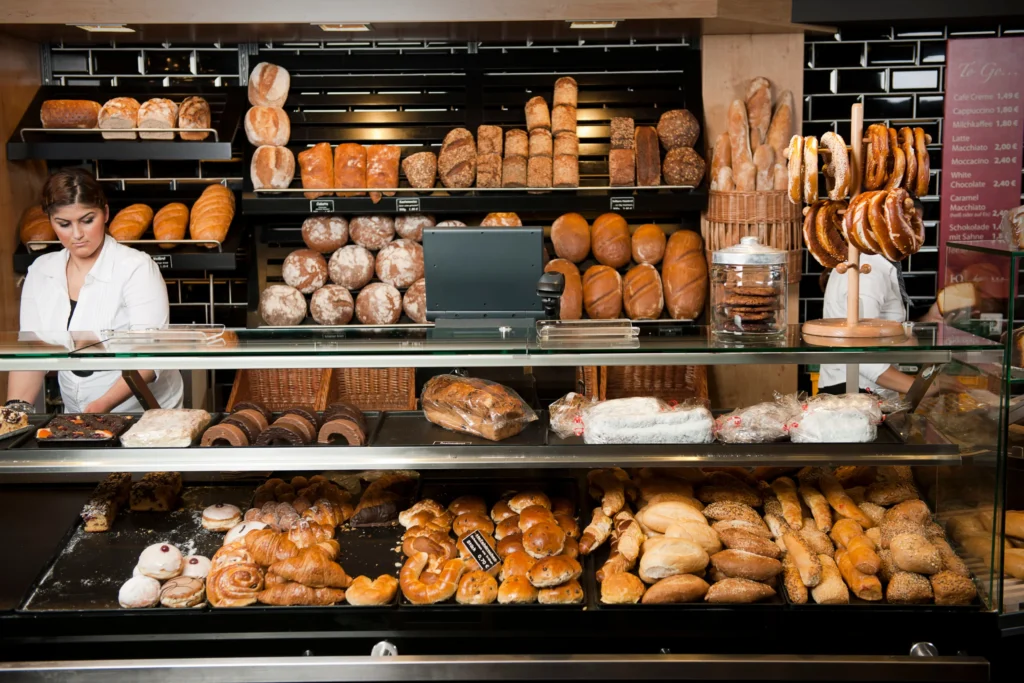
Start With a Business Plan
Before opening your bakery, use trusted small business planning resources to organize your idea. The U.S. Small Business Administration offers guidance on how to write a business plan, including how to describe your company, analyze your market, outline your products, and create financial projections. You can also use the SBA’s startup cost resources to estimate expenses such as equipment, ingredients, permits, rent, packaging, marketing, and working capital.
Your bakery business plan should answer important questions such as:
- What type of bakery will you start?
- Who is your target customer?
- What products will you sell?
- Will you operate from home, a commercial kitchen, a food truck, a farmers market booth, or a storefront?
- What licenses and permits will you need?
- How much will it cost to start?
- How will you price your products?
- Who are your competitors?
- How will customers find you?
- How much do you need to sell each day or week to become profitable?
A bakery may look simple from the outside, but the business side can be demanding. Ingredient costs, labor, rent, utilities, packaging, insurance, spoilage, and marketing all affect profitability. A clear plan can help you avoid underpricing your products or underestimating the amount of work involved.
Choose the Right Bakery Concept
One of the first decisions you need to make is what kind of bakery you want to operate. The bakery industry includes many possible business models, each with different startup costs, regulations, and marketing needs.
You could open a traditional neighborhood bakery selling breads, cookies, pastries, pies, muffins, cupcakes, and cakes. You could focus on custom cakes for birthdays, weddings, and special events. You could specialize in artisan breads, French pastries, donuts, gluten-free baked goods, vegan desserts, or ethnic baked goods. You could also start small by selling from home, taking online orders, or participating in farmers’ markets and local events.
The best concept is not always the broadest one. In many cases, a focused bakery concept is easier to market because customers immediately understand what makes you different. A bakery that is “for everyone” may struggle to stand out, while a bakery known for handmade sourdough, allergy-friendly desserts, gourmet cupcakes, or Filipino pastries has a clearer identity.
Differentiate Your Bakery Products
Small bakeries cannot always compete on price with supermarkets or big-box stores, but they can compete by offering something more distinctive. Differentiation is one of the most important success factors in the bakery business.
Basic breads and simple baked goods can be difficult to sell profitably if customers view them as commodities. If customers can buy a basic loaf of bread at a large retailer for less money, your bakery needs to give them another reason to choose you. That reason may be flavor, freshness, specialty ingredients, visual appeal, health-conscious recipes, or an emotional connection to the brand.
For example, instead of selling only plain white bread or basic rolls, a bakery might offer cinnamon chip bread, tomato-herb bread, cheddar-jalapeño bread, pumpkin swirl bread, cranberry-walnut bread, or seeded whole-grain loaves. Instead of standard cupcakes, a bakery could create seasonal flavors, mini dessert boxes, corporate gift boxes, or themed party assortments.
The goal is to create products that customers cannot easily find elsewhere. When your bakery becomes known for signature items, customers are more likely to make a special trip to buy from you.

Tap Into a Profitable Niche
A niche can help a bakery attract loyal customers and avoid becoming just another place that sells bread and sweets. Many successful bakeries build their reputation around a specific customer need or lifestyle preference.
Possible bakery niches include:
- Gluten-free baked goods
- Dairy-free desserts
- Vegan pastries
- Organic breads
- Keto or low-sugar desserts
- Allergy-friendly treats
- Artisan sourdough
- Wedding cakes
- Custom decorated cookies
- Ethnic or cultural baked goods
- High-end dessert catering
- Corporate gifting
- Farmers’ market baked goods
A niche does not mean you can only sell one type of product forever. It simply gives your bakery a clear position in the market. A gluten-free bakery, for example, may eventually sell breads, muffins, cakes, brownies, cookies, and holiday desserts, but customers know immediately why the bakery exists and who it serves.
The right niche should have real customer demand, a clear problem to solve, and enough pricing power to support profitability. Specialty baked goods often command higher prices because they require specific ingredients, recipes, techniques, or dietary knowledge.
Use Free Samples to Bring Customers In
One powerful marketing tactic for bakeries is sampling. When customers can taste your products, they are more likely to buy. This is especially true for breads, cakes, cookies, pastries, and other items where freshness and flavor are the biggest selling points.
Free samples can work well in a storefront, at farmers’ markets, at local events, or during catering consultations. A small bite of a warm cinnamon bread, a cookie, or a slice of cake can do more to persuade a customer than a sign or advertisement.
Sampling also creates a more welcoming customer experience. It gives staff a natural way to start conversations, explain ingredients, introduce new flavors, and encourage repeat visits. If you are launching a new bakery, free samples can help people discover your products and remember your brand.
The key is to sample strategically. Offer your best products, your signature items, or products with higher profit margins. You want customers to taste the items that best represent your bakery and to come back.
Build Community Into the Business
A small bakery has one major advantage over large competitors: it can become part of the local community. Customers often love supporting small businesses when they feel a connection to the owner, staff, and story behind the brand.
A bakery can build community by participating in school events, donating to local fundraisers, partnering with nearby coffee shops, supporting local charities, joining farmers’ markets, creating seasonal products for local celebrations, or featuring ingredients from nearby farms and suppliers.
Even small touches matter. Remembering regular customers, greeting people warmly, celebrating local events, and sharing behind-the-scenes stories can help customers feel emotionally invested in your bakery.
When a bakery becomes part of the community, customers are not just buying bread or cupcakes. They are supporting a local business they want to see succeed.
Create a Loyalty Program
Repeat customers are essential for a bakery business. Unlike a wedding cake business, where purchases may be occasional, many bakeries depend on frequent buyers who come in weekly or even several times per week.
A simple loyalty program can encourage repeat visits. For example, customers could earn a free loaf of bread after 10 purchases, receive a discount after a certain number of visits, or get early access to seasonal products. You can use punch cards, digital rewards, email lists, or text-message promotions.
The best loyalty programs are easy to understand and easy to use. Customers should not have to do much work to participate. If the reward feels achievable, they are more likely to return.
Loyalty programs also give you a reason to stay in touch with customers. You can announce new flavors, holiday ordering deadlines, limited-time products, and special events.

Price Your Products for Profit
One common mistake new bakery owners make is underpricing. They calculate the cost of ingredients but forget to include labor, packaging, utilities, rent, insurance, marketing, taxes, equipment, waste, and the owner’s time.
Pricing should also account for taxes, bookkeeping, and recordkeeping. The IRS Small Business and Self-Employed Tax Center is a useful starting point for understanding federal tax responsibilities, while IRS recordkeeping guidance explains the importance of keeping records that clearly show income, expenses, deductions, and credits.
A profitable bakery must price products based on the full cost of production plus a sustainable profit margin. This is especially important for custom cakes, decorated cookies, wedding desserts, and specialty baked goods that take significant time and skill.
If you are selling premium, handmade, or niche bakery products, your pricing should reflect that value. Not every customer will be your customer, and that is okay. Your goal is to attract people who appreciate quality, specialty products, and the experience your bakery provides.
Understand Legal and Food Safety Requirements
Food safety should be treated as part of your bakery’s reputation, not just a compliance issue. Bakery businesses are regulated because they sell food to the public.
Requirements vary depending on your state, city, county, and business model. A home-based bakery may be subject to cottage food laws, while a storefront bakery typically needs commercial kitchen approval, business licenses, food safety compliance, inspections, and insurance. The CDC recommends four basic food safety steps — clean, separate, cook, and chill — to help reduce the risk of foodborne illness. Bakery owners should also understand how ingredients, allergens, storage, sanitation, and temperature control affect the safety of their products.
Before launching, research the rules in your location. You may need to check with your state agriculture department, local health department, zoning office, and business licensing agency. If you plan to sell across state lines, wholesale to stores, ship products, or offer perishable items, additional rules may apply.
If you sell packaged baked goods, labeling rules may apply. Depending on your products, sales volume, and marketing claims, you may need ingredient lists, allergen information, business contact information, or nutrition labeling. The FDA provides information on small-business nutrition labeling exemptions, but bakery owners should verify the rules that apply to their specific products and locations.
Food safety is not just a legal requirement. It is also part of your brand reputation. Customers need to trust that your bakery is clean, safe, and professionally operated.
Invest in the Right Equipment and Systems
The equipment you need will depend on your bakery concept. A home-based cookie business may need fewer tools than a full-service bakery that produces breads, pastries, and refrigerated cases at high volume.
Common bakery equipment may include mixers, ovens, proofing cabinets, baking sheets, cooling racks, scales, refrigeration, display cases, packaging supplies, storage containers, decorating tools, and point-of-sale systems.
It is easy to overspend on equipment in the beginning. Focus first on what you need to produce your core menu consistently and safely. As sales grow, you can invest in additional equipment to increase efficiency or expand your product line.
You should also create systems for ordering ingredients, tracking inventory, managing production schedules, taking custom orders, handling customer inquiries, and monitoring sales. A bakery can become chaotic quickly without clear systems.
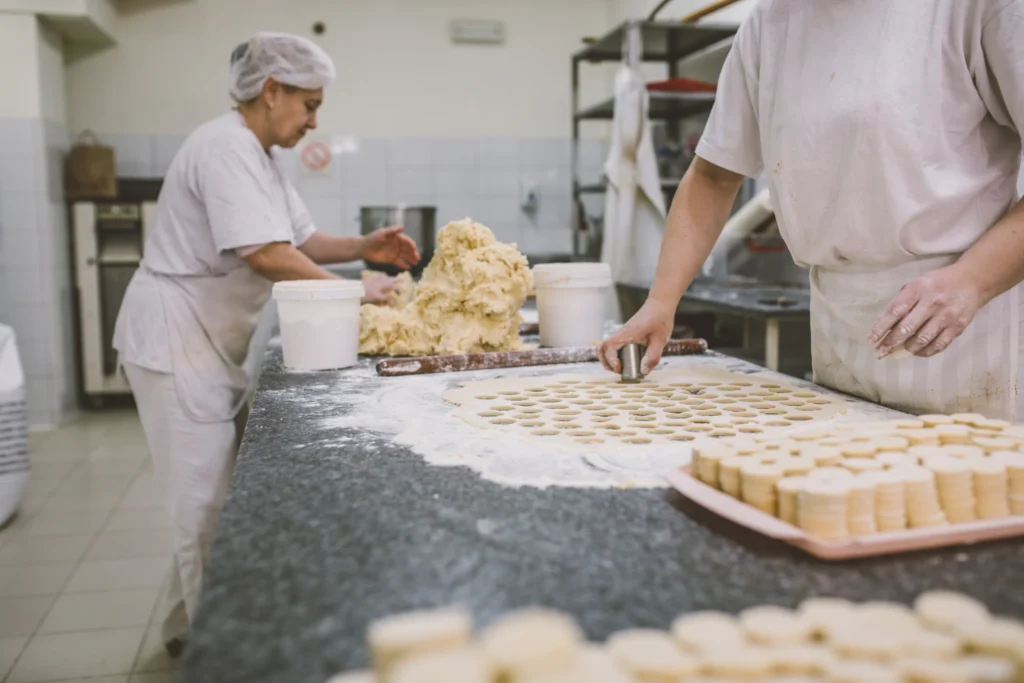
Market Your Bakery Before and After Opening
Marketing should begin before the bakery opens. Use social media, local partnerships, email signups, tasting events, and behind-the-scenes content to build interest. Share your story, your menu development, your test bakes, your opening date, and your signature products.
After opening, continue marketing consistently. Post photos of fresh products, seasonal specials, customer favorites, staff picks, and limited-time flavors. Encourage customers to share photos and reviews. Create holiday ordering campaigns for Thanksgiving, Christmas, Valentine’s Day, Mother’s Day, graduations, weddings, and other events.
For local bakeries, Google Business Profile is especially important. Make sure your listing includes accurate hours, photos, product descriptions, contact information, and customer reviews. Many people search for “bakery near me,” “custom cakes near me,” or “gluten-free bakery near me,” so local search visibility can directly affect foot traffic.
Learn From Successful Small Bakeries
A small bakery can succeed even when larger competitors are nearby. The key is to avoid acting like a miniature grocery store bakery. Instead, focus on what makes a small bakery special.
Successful bakeries often have several things in common: memorable products, a clear niche, friendly service, community involvement, strong sampling, and repeat-customer incentives. They create an experience customers cannot get from a supermarket shelf.
For example, a bakery located near a major retailer may still thrive if customers see it as the place to buy fresh artisan breads, specialty cakes, seasonal treats, or products made with care. If the bakery offers distinctive flavors, warm service, and a sense of local connection, customers may gladly pay more and visit regularly.
Helpful Resources for Bakery Entrepreneurs
If you are serious about starting a bakery, continue learning from industry organizations, business planning tools, and experienced bakery owners. You may want to explore bakery trade associations, food business resources, small business development centers, and books focused on bakery operations and food entrepreneurship.
Useful areas to research include:
- Bakery business planning
- Food safety requirements
- Cottage food laws
- Commercial kitchen rules
- Pricing and costing baked goods
- Bakery equipment
- Wholesale bakery operations
- Retail bakery merchandising
- Menu development
- Customer loyalty programs
- Local food marketing
The more you understand the business side of baking, the better prepared you will be to turn your passion into a sustainable business.
Final Thoughts
Starting a bakery business takes more than great recipes. You need a clear concept, a profitable niche, smart pricing, strong operations, and a marketing strategy that helps customers discover and remember you.
The most successful small bakeries do not try to compete with big retailers on price alone. They win by offering something better, fresher, more personal, and more memorable. They create signature products, serve a defined audience, offer samples, build community relationships, and give customers a reason to return.
If you love baking and are willing to treat your bakery as both a creative venture and a serious business, it can become a rewarding way to serve your community while building a brand around food people truly enjoy.
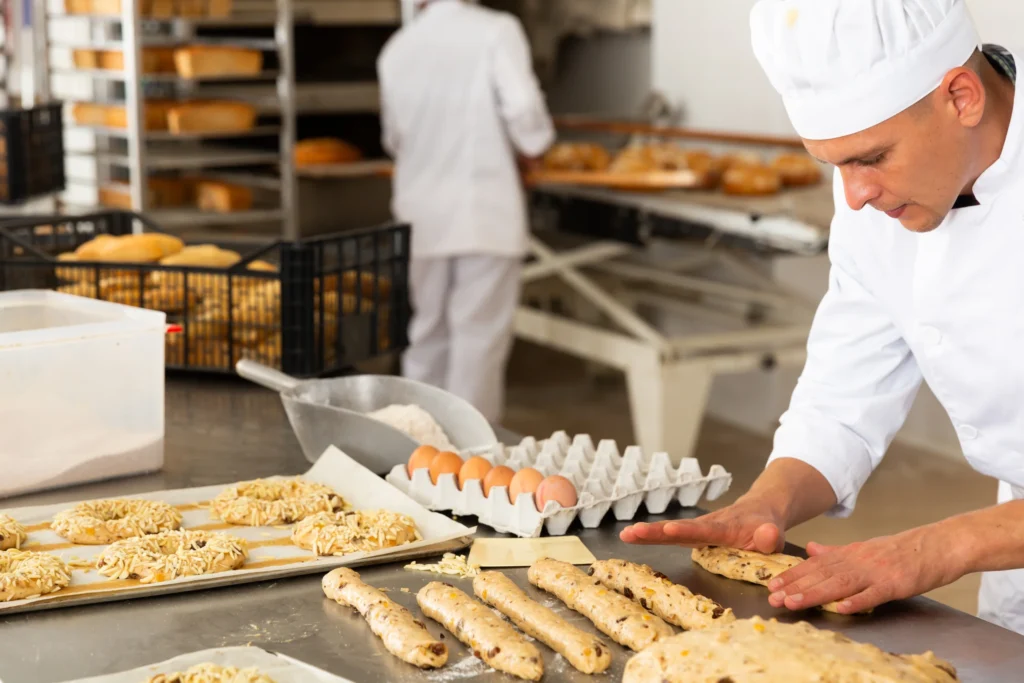
Frequently Asked Questions About Starting a Bakery Business
How much does it cost to start a bakery business?
The cost to start a bakery business depends on the type of bakery you want to open. A home-based bakery usually costs far less than a retail storefront because you may not need commercial rent, display cases, large-scale equipment, or employees right away. A storefront bakery, on the other hand, may require expenses such as ovens, mixers, refrigeration, furniture, signage, permits, insurance, renovations, packaging, ingredients, payroll, and working capital. Before launching, create a detailed startup budget that includes both one-time costs and recurring monthly expenses. The U.S. Small Business Administration recommends calculating startup costs before opening so you understand how much funding you need and how long it may take to become profitable.
Can I start a bakery business from home?
Yes, many entrepreneurs start a bakery business from home, but the rules depend on where you live and what products you plan to sell. Many states have cottage food laws that allow certain low-risk foods, such as cookies, cakes, breads, and other shelf-stable baked goods, to be made in a home kitchen and sold directly to consumers. However, cottage food laws vary widely by state. Some states limit annual sales, restrict where you can sell, require specific labels, or prohibit foods that need refrigeration. Before selling anything, check your state and local rules, including cottage food regulations, zoning requirements, business licensing, and food labeling rules. AFDO provides state-by-state cottage food guidance that can help you begin your research.
What licenses and permits do I need to open a bakery?
The licenses and permits needed to open a bakery depend on your business model, location, products, and facility. A bakery may need a business license, a food establishment permit, a sales tax permit, zoning approval, a health department inspection, an employer identification number, and possibly additional approvals for signage, renovations, or commercial kitchen use. If you sell packaged baked goods, labeling rules may also apply. The FDA explains that food businesses may be subject to federal, state, and local requirements, which vary depending on the product and the type of facility you operate. The safest approach is to contact your local health department, city or county business office, and state food safety agency before investing heavily in equipment or space.
What kind of bakery is most profitable?
The most profitable bakery is usually one with a clear niche, strong pricing power, and repeat customers. Custom cakes, wedding desserts, artisan breads, specialty pastries, gluten-free baked goods, vegan desserts, corporate dessert boxes, and premium holiday items can often command higher prices than basic baked goods. Profitability also depends on your cost control, production efficiency, menu design, and pricing. A bakery that sells only low-margin products may struggle even with steady sales, while a bakery with signature items, advance orders, catering opportunities, and loyal customers may have a stronger path to profit. The best concept is one that matches your skills, fills a real market need, and allows you to price products high enough to cover ingredients, labor, overhead, and profit.
How do I make my bakery stand out from competitors?
To make your bakery stand out, avoid trying to be a smaller version of a grocery store bakery. Instead, build your identity around what makes your products and customer experience different. You might specialize in artisan sourdough, allergy-friendly desserts, custom decorated cookies, cultural baked goods, gourmet cupcakes, or locally sourced ingredients. Signature products are especially important because they give customers something to remember and recommend. Strong branding, attractive packaging, free samples, seasonal flavors, community involvement, and excellent customer service can also help your bakery become more memorable. The goal is to give people a reason to choose your bakery even when cheaper options are available nearby.
How should I price baked goods?
Pricing baked goods requires more than adding up the cost of flour, sugar, butter, and eggs. You need to account for ingredients, packaging, labor, utilities, rent, insurance, equipment, delivery, marketing, taxes, spoilage, and your time as the owner. Start by calculating the cost of each recipe, including the yield per batch. Then add packaging and labor time. After that, apply a markup that allows the product to generate profit. For custom cakes or decorated cookies, labor often matters more than ingredients because the work can take hours. Keep detailed records of your costs, sales, and expenses so you can adjust pricing as ingredient prices and overhead change. The IRS also emphasizes the importance of business records that clearly show income, deductions, and credits.
Do bakeries need food labels?
Bakeries may need labels depending on how and where the products are sold. If you sell packaged baked goods, you may need to include information such as the product name, ingredients, allergens, net weight, business name, and contact information. Nutrition labeling may also apply in certain situations, although the FDA provides information on nutrition labeling exemptions for small businesses. Rules can vary based on sales volume, product type, claims made on the package, and whether you sell directly to consumers, online, wholesale, or across state lines. Because labeling mistakes can create legal and safety issues, bakery owners should check FDA guidance as well as state and local labeling requirements before selling packaged baked goods.
How can I market a new bakery?
A new bakery should start marketing before opening. Build anticipation by sharing your story, menu development, test bakes, opening date, behind-the-scenes photos, and signature products. Create a Google Business Profile so local customers can find your bakery when searching for terms like “bakery near me,” “custom cakes near me,” or “gluten-free bakery near me.” Use social media to showcase fresh products, seasonal specials, customer favorites, and limited-time items. You can also market through farmers markets, local events, free samples, partnerships with coffee shops, loyalty cards, email newsletters, and holiday ordering campaigns. For bakeries, photos are powerful because customers often buy with their eyes first.
Is a bakery business a good idea for beginners?
A bakery business can be a good idea for beginners if you start with a manageable concept and understand that baking skill alone is not enough. You also need basic business skills, including pricing, budgeting, customer service, marketing, inventory management, and compliance. Many beginners start small with a home-based bakery, farmers market booth, or custom-order model before investing in a storefront. This allows you to test demand, refine your recipes, learn what customers buy most often, and build a following. A bakery can become overwhelming if you try to offer too many products too soon, so beginners should focus on a small menu of strong, profitable items before expanding.
What are the biggest mistakes to avoid when starting a bakery?
Some of the biggest mistakes include underpricing products, offering too many menu items, ignoring local food laws, failing to calculate startup costs, choosing a weak location, buying too much equipment too soon, and assuming that good recipes alone will bring customers. Another common mistake is competing only on price. Small bakeries usually do better when they compete on quality, specialty products, service, freshness, and community connection. New bakery owners should also avoid poor recordkeeping. The IRS notes that business records should show gross income, deductions, and credits, so keeping organized records from the beginning can make tax filing and financial decision-making much easier.