

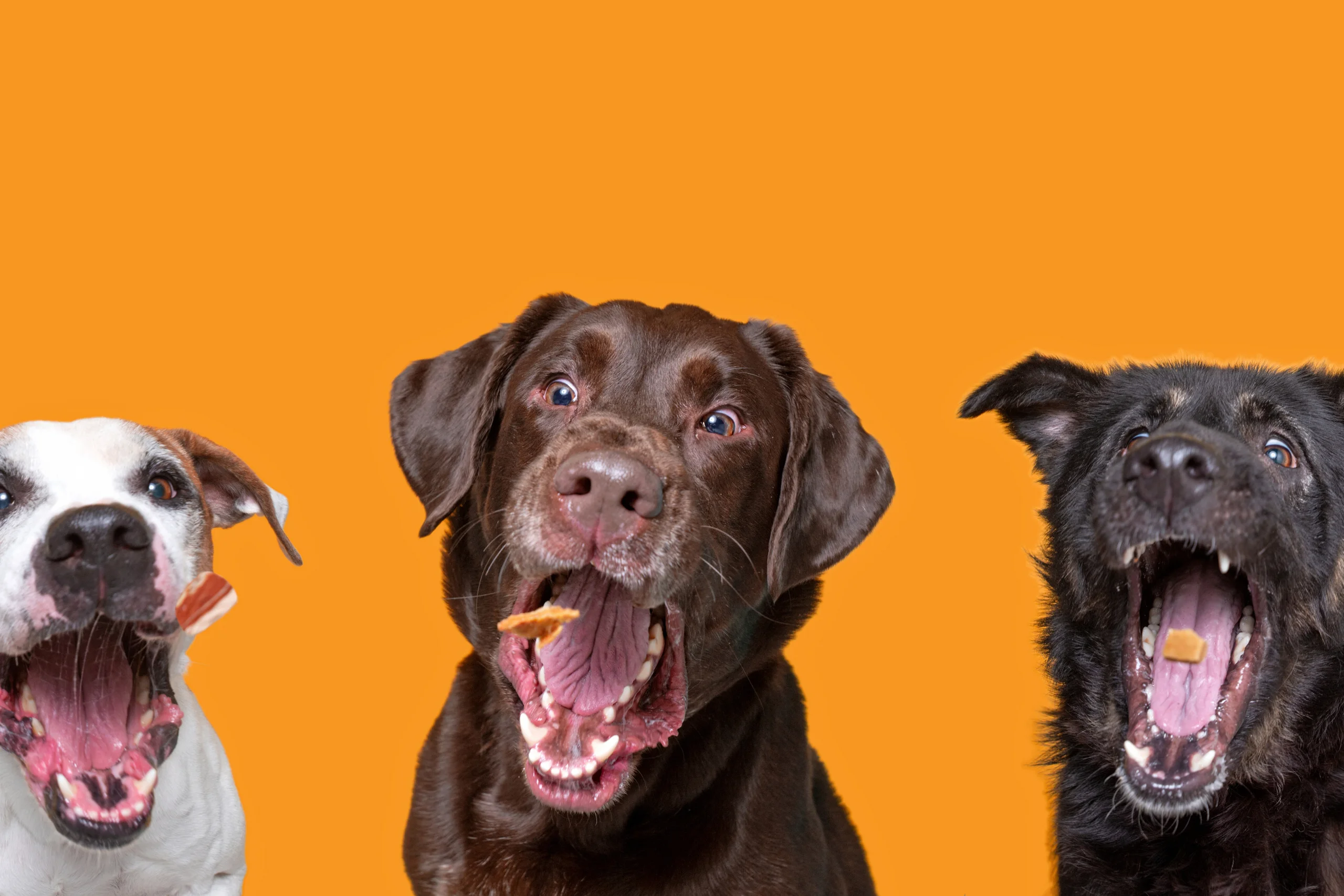
A dog bakery business can be a fun, creative, and profitable way to serve today’s pet-loving consumers, but it also requires more than cute bone-shaped cookies. Learn how to research your market, develop safe dog-friendly treats, follow pet food labeling rules, price your products, and build a brand that appeals to devoted dog owners.
Key Takeaways
- A dog bakery sells specialty dog treats, cakes, cookies, biscuits, and gift items to pet owners seeking higher-quality or more personalized products for their dogs.
- Pet treats are regulated as animal food, so entrepreneurs must pay attention to labeling, safe ingredients, sanitary production, and state feed rules.
- The best dog bakery businesses usually focus on a niche, such as all-natural treats, birthday cakes, holiday gift boxes, limited-ingredient biscuits, or custom-decorated cookies.
- You can start small through home production, local pop-ups, farmers’ markets, online orders, or wholesale partnerships before opening a retail store.
- Marketing should appeal to the pet owner, not the dog. Customers buy dog bakery products because they want to celebrate, reward, and care for their pets.
- Before selling, check your state’s feed control requirements, product registration rules, labeling requirements, and any local business or food production permits.
Americans love their dogs, and that love increasingly shows up in how they spend. Pet owners are no longer buying only basic kibble, collars, and toys. Many are looking for premium treats, birthday cakes, seasonal gift boxes, limited-ingredient snacks, and bakery-style products that make their dogs feel like part of the family.
That growing emotional connection between people and their pets is one reason the dog bakery business remains an appealing opportunity for entrepreneurs. The U.S. pet industry reached $158 billion in 2025, with continued growth projected for 2026, according to the American Pet Products Association. Pet food and treats remain one of the largest spending categories in the industry. The customer base is also enormous: the AVMA reported that the U.S. dog population reached an estimated 87.3 million dogs in 2025.
A dog bakery business can be started from home, at farmers’ markets, through online orders, as a wholesale supplier to pet stores, or as a small retail shop. But unlike selling ordinary crafts or gifts, dog treats fall into the world of animal food. That means you need to think carefully about ingredients, labeling, safety, local regulations, and any claims you make about your products.
The good news is that you do not need to start with a huge storefront or a complicated product line. Many successful dog bakery businesses begin with a focused menu, a clear niche, strong local marketing, and a reputation for safe, attractive, giftable treats.
Table of Contents

What Is a Dog Bakery Business?
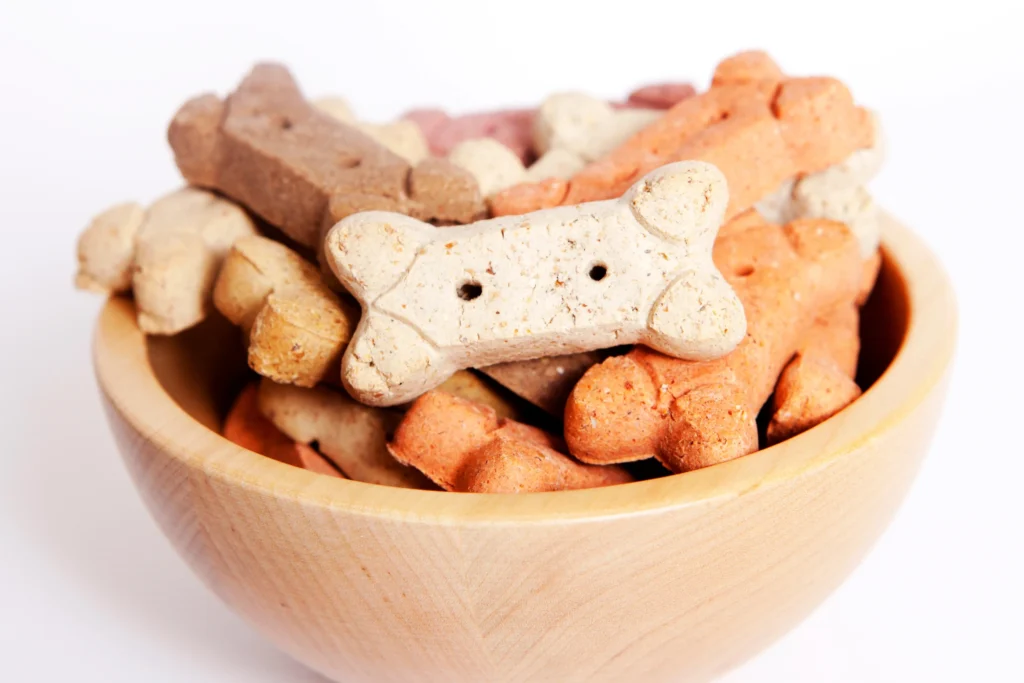
A dog bakery business makes and sells baked goods and specialty treats formulated for dogs. Products may include dog biscuits, soft treats, pupcakes, birthday cakes, training treats, holiday boxes, frozen dog treats, decorated cookies, and gift baskets.
A dog bakery differs from a regular bakery because its products are designed for pets, not humans. Even if the treats look like cupcakes, cookies, or pastries, they must be made with dog-safe ingredients and labeled appropriately. You are not simply baking human desserts in smaller portions. You are creating pet treats that must be safe, properly marketed, and compliant with animal food regulations.
The business can take several forms:
| Business Model | How It Works | Best For |
|---|---|---|
| Home-based dog bakery | You produce treats from home and sell locally or online, depending on state rules. | Low-cost startup, custom orders, local delivery |
| Farmers market or pop-up bakery | You sell at local events, pet fairs, farmers markets, and festivals. | Testing demand, building local visibility |
| Online dog treat shop | You sell through your website, Etsy-style platforms, or social media. | Gift boxes, subscription treats, branded packaging |
| Wholesale dog bakery | You sell to pet stores, groomers, dog daycares, veterinarians, and boutiques. | Larger volume, recurring accounts |
| Retail dog bakery | You open a storefront where customers and dogs can visit. | Affluent neighborhoods, pet-friendly shopping districts |
| Mobile dog bakery | You sell through a mobile cart, trailer, or event booth. | Events, parks, dog shows, outdoor markets |
For entrepreneurs still comparing ideas, PowerHomeBiz has a useful overview of broader pet-related opportunities in its guide to 5 pet business ideas you can start from home.
Why a Dog Bakery Business Can Be a Good Opportunity
The appeal of a dog bakery business comes from the intersection of three trends: pet humanization, premium pet spending, and local specialty retail.
Many pet owners now think of themselves as “pet parents.” They celebrate dog birthdays, buy holiday gifts for pets, look for special treats after grooming appointments, and choose products based on ingredients, values, and brand personality. This is why dog bakeries often succeed not by selling “food” in the practical sense, but by selling celebration, care, fun, and emotional connection.
A customer may buy a $4 decorated dog cookie not because the dog needs it, but because the owner enjoys the experience of giving it. That distinction matters. Your real buyer is the person who wants to reward, pamper, or celebrate the dog.
Dog bakery products can also make great gifts. A dog birthday cake, “gotcha day” treat box, holiday stocking stuffer, or personalized cookie has more emotional appeal than an ordinary bag of treats. This gives the business opportunities for higher margins, seasonal promotions, and repeat sales.

Understand the Regulations Before You Start
A dog bakery may feel like a small, creative business, but pet treats are still regulated as animal food. The FDA states that animal foods, including pet food, must be safe to eat, produced under sanitary conditions, free of harmful substances, and truthfully labeled.
This does not mean every small dog bakery will follow the exact same process. Requirements can vary depending on your state, where you produce the treats, whether you sell across state lines, whether you wholesale, and the size of your operation. However, you should assume you need to comply with federal, state, and local rules before selling.
The FDA also provides guidance for entrepreneurs starting an animal food business, including facility registration and small-business provisions that may apply depending on the type and scale of the operation. The Food Safety Modernization Act also applies to animal food, including pet food, and focuses on preventing contamination rather than simply responding after problems occur.
AAFCO is another important resource. AAFCO itself is not a federal regulator, but its model regulations and labeling standards are widely used by state feed control officials. AAFCO explains that pet food labels, including treats, generally need required items such as the brand/product name, species, quantity statement, ingredient statement, guaranteed analysis, nutritional adequacy statement when applicable, feeding directions, and manufacturer or distributor information.
Before selling, contact your state feed control official. AAFCO provides a state-by-state directory where you can find the appropriate regulatory contact.
Research Your Local Market
Start by studying the pet-owning population in your area. A dog bakery can work especially well in communities with high dog ownership, pet-friendly parks, dog daycares, grooming salons, veterinary clinics, apartment complexes with dog amenities, and local events that attract pet owners.
Look for signs that your market supports premium pet spending. These may include:
- Independent pet boutiques
- Dog grooming salons with retail shelves
- Pet-friendly cafes or patios
- Dog parks and dog events
- Farmers markets with pet product vendors
- Local rescue fundraisers and adoption events
- Affluent neighborhoods with high pet ownership
- Active local Facebook groups for dog owners
Then analyze competitors. Search for dog bakeries, homemade dog treat sellers, pet boutiques, farmers market vendors, and online treat brands serving your area. Study their prices, packaging, ingredients, customer reviews, product photography, and selling channels.
Do not simply copy what they sell. Look for gaps. Maybe local competitors sell basic biscuits, but no one offers dog birthday cakes. Maybe they sell decorated cookies, but not limited-ingredient treats. Maybe there are many general treat sellers, but no brand focused on senior dogs, small dogs, training treats, or local ingredient sourcing.
Choose a Profitable Niche
A niche helps customers understand why they should buy from you instead of picking up generic treats at a supermarket or big-box pet store.
Possible dog bakery niches include:
- All-natural dog biscuits
- Limited-ingredient dog treats
- Dog birthday cakes and celebration boxes
- Custom decorated dog cookies
- Holiday dog treat gift boxes
- Training treats for dog owners and trainers
- Small-batch treats using local ingredients
- Grain-free treats, where legally and nutritionally appropriate
- Senior dog treats with softer textures
- Tiny treats for small breeds
- Subscription dog treat boxes
- Breed-themed treats
- Rescue fundraiser treat boxes
- Luxury pet gifts for holidays and birthdays
Be careful with health-related positioning. Claims such as “supports joint health,” “improves digestion,” “calms anxiety,” or “treats allergies” can create regulatory and legal concerns. It is usually safer to focus on truthful, simpler claims such as “limited ingredient,” “small batch,” “made with pumpkin,” or “baked fresh weekly,” assuming those statements are accurate and compliant.
Also be cautious with phrases like “human-grade,” “organic,” “natural,” or “complete and balanced.” AAFCO’s pet food labeling guide covers claims such as natural, organic, tartar control, and human-grade/human-quality statements, and these terms should not be used casually. If you want to make organic claims, USDA organic labeling rules may also apply.

Develop Dog-Safe Recipes
Recipe development is one of the most important parts of starting a dog bakery. Your treats should be appealing to pet owners, enjoyable for dogs, and made with dog-safe ingredients.
Common dog bakery ingredients may include pumpkin, peanut butter without xylitol, oats, whole wheat flour, rice flour, banana, apple, carrot, sweet potato, eggs, and plain yogurt. However, not every ingredient that sounds “healthy” for humans is appropriate for dogs, and some common foods can be dangerous.
The ASPCA lists several people foods to avoid feeding pets, including chocolate, xylitol, alcohol, coffee, grapes, raisins, macadamia nuts, and other potentially harmful items.
Before finalizing recipes, consider consulting a veterinarian, veterinary nutritionist, or pet food regulatory consultant. This is especially important if you plan to market treats for puppies, senior dogs, dogs with sensitivities, or dogs with special dietary needs.
Your recipes should be tested for:
- Taste acceptance
- Texture
- Shelf life
- Breakage during shipping
- Moisture content
- Storage requirements
- Consistency from batch to batch
- Ingredient cost
- Production time
- Packaging compatibility
A beautiful dog cookie that breaks in the mail, spoils quickly, or takes too long to decorate may not be profitable even if customers love the idea.
Create a Simple Product Line
A common startup mistake is launching with too many products. A smaller, focused menu is easier to produce, label, package, price, and market.
A strong beginner product line might include:
- 2–3 everyday biscuit flavors
- 1 soft treat option
- 1 birthday cake or pupcake product
- 1 seasonal or holiday box
- 1 custom decorated cookie option
This gives you enough variety without overwhelming your production process. As orders grow, you can use sales data to decide which products deserve expansion.
Think in terms of product tiers:
Everyday treats: Lower-priced biscuits or training treats customers buy regularly.
Giftable treats: Decorated cookies, treat jars, birthday boxes, and holiday bundles.
Custom products: Personalized cakes, name cookies, party favors, and event treats.
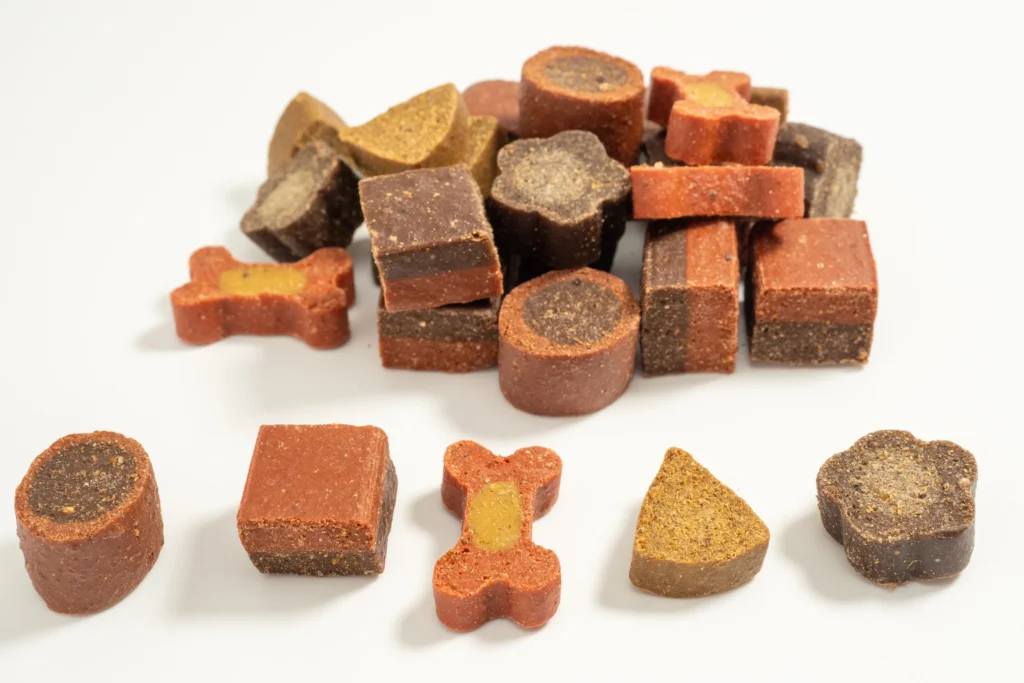
Wholesale items: Shelf-stable packaged treats that can be sold by groomers, pet stores, dog daycares, and local boutiques.
Your highest-margin products may not always be your everyday biscuits. Custom celebration items often command higher prices because they solve a special-occasion need.
Write a Business Plan
Even if you start small, a business plan helps you clarify what you are selling, who you are serving, how much it costs to produce your treats, and how you will make money. The SBA describes a business plan as the foundation of a business and provides templates entrepreneurs can use to organize their ideas.
Your dog bakery business plan should include:
- Business concept
- Target customer
- Competitor analysis
- Product line
- Ingredient sourcing
- Production process
- Regulatory requirements
- Startup costs
- Pricing strategy
- Sales channels
- Marketing plan
- Revenue goals
- Break-even analysis
- Growth plan
PowerHomeBiz also has a helpful guide on how to construct the perfect business plan, which can be useful when organizing your startup idea into a clear roadmap.
Estimate Startup Costs
Startup costs depend on whether you begin from home, rent a commercial kitchen, sell at local markets, or open a retail storefront.
Possible startup expenses include:
| Startup Item | Why You Need It |
|---|---|
| Business registration | To operate legally under your chosen business name |
| Licenses and permits | Requirements vary by state, county, and city |
| State feed registration | Pet treats may need registration with your state feed control office |
| Commercial kitchen or approved production space | Required in some locations or business models |
| Baking equipment | Mixers, pans, cutters, cooling racks, ovens, dehydrators |
| Ingredients | Flour, oats, pumpkin, peanut butter, eggs, sweet potato, packaging-safe ingredients |
| Packaging | Bags, boxes, labels, seals, gift packaging |
| Label design and printing | Required product information and branding |
| Website | For online orders, local SEO, product pages, and credibility |
| Product photography | Needed for ecommerce and social media marketing |
| Farmers market booth materials | Tent, table, signage, displays, sampling supplies |
| Insurance | Product liability and general business protection |
| Testing and consulting | Shelf-life testing, label review, regulatory guidance, or veterinary nutrition input |
If you already bake and start with a small home-based operation, your initial costs may be modest. If you open a retail dog bakery, costs can rise quickly because of rent, build-out, utilities, staffing, signage, insurance, and inventory.
For more general startup guidance, PowerHomeBiz’s article on starting a home-based food business offers useful reminders about licensing, permits, laws, and planning for food-related ventures.
Price Your Dog Treats for Profit
Pricing should cover more than ingredients. Many new food entrepreneurs underprice because they forget to account for labor, packaging, waste, equipment, marketing, transaction fees, delivery, market booth fees, and wholesale discounts.
A simple pricing formula is:
Ingredient cost + packaging cost + labor + overhead + profit margin = minimum selling price
For custom products, charge for design time. A personalized birthday cake or hand-decorated cookie requires more labor than a plain biscuit. Customers who want custom work usually understand that personalization costs more.
Also, decide whether your products will be sold individually, by weight, by package, by box, or by subscription. Gift boxes and bundles can increase average order value.
Decide Where to Sell
You do not need a storefront to start a dog bakery. In fact, many entrepreneurs are better off testing demand before signing a lease.
Local Events and Farmers Markets
Farmers’ markets, craft fairs, rescue fundraisers, dog walks, and community events are excellent places to test products. You can see which treats attract attention, answer customer questions, collect email addresses, and build a local following.
Online Orders
A website allows customers to place orders for local pickup, delivery, or shipping. If you ship treats, make sure your products are shelf-stable, properly packaged, and legal to sell across state lines. Shipping fragile decorated cookies can also require special packaging.
Wholesale Accounts
Pet stores, groomers, dog daycares, boarding facilities, and veterinarian offices may be interested in locally made treats. Wholesale can provide recurring revenue, but your pricing must leave room for the retailer’s markup.
Retail Storefront
A retail dog bakery can work in the right location, especially in a walkable, affluent, pet-friendly neighborhood. But it is also the most expensive model. Before opening a store, validate demand through events, wholesale, and online sales.
Partnerships
Partnerships can be powerful in the pet industry. Consider working with:
- Groomers
- Dog trainers
- Dog walkers
- Pet photographers
- Veterinarians
- Rescue groups
- Dog daycares
- Apartment communities
- Pet-friendly hotels
- Local cafes with dog-friendly patios
Build a Brand Pet Owners Love
Your branding should appeal to the pet owner’s emotions. Most dogs are not reading ingredient labels or admiring packaging. Humans are.
A strong dog bakery brand should communicate trust, safety, fun, and personality. Your brand can be playful, luxurious, rustic, wholesome, modern, or community-focused. What matters is consistency.
Brand elements include:
- Business name
- Logo
- Packaging design
- Product names
- Photography style
- Label language
- Social media voice
- Store or booth display
- Website copy
- Customer experience
Show real dogs enjoying your treats. Feature customer photos. Celebrate dog birthdays. Highlight local rescue partnerships. Use storytelling to make the business feel warm and personal.
PowerHomeBiz has a useful article on marketing and branding a pet sitting business that, while focused on pet sitting, includes ideas that can also apply to pet-focused businesses such as a dog bakery.
Market Your Dog Bakery Business
Dog bakery marketing works best when it is visual, local, and community-driven. Your products are naturally shareable because dogs, decorated treats, birthdays, and holiday boxes photograph well.
Effective marketing tactics include:
- Instagram and Facebook posts featuring customer dogs
- Short videos of treat decorating and packaging
- Local SEO pages for “dog bakery near me”
- Google Business Profile optimization
- Email list for seasonal launches
- Birthday club for customers’ dogs
- Loyalty cards or repeat-customer rewards
- Pop-up booths at dog-friendly events
- Partnerships with groomers and trainers
- Limited-edition holiday boxes
- Rescue fundraiser campaigns
- Referral discounts
- User-generated content contests
Social media can be especially useful because pet content tends to be highly engaging. PowerHomeBiz has a related guide on launching a pet-oriented social media campaign, which can help you think through content ideas and campaign structure.
Create Seasonal and Event-Based Offers
Dog bakeries are well-suited to seasonal promotions. Pet owners often buy treats for holidays, birthdays, adoption anniversaries, and special events.
Seasonal ideas include:
- Valentine’s Day dog cookies
- Easter baskets for dogs
- Summer frozen treats
- Halloween treat bags
- Thanksgiving pumpkin biscuits
- Christmas stocking stuffers
- New Year “fresh start” treat boxes
- Dog birthday cakes
- “Gotcha day” adoption boxes
- Wedding dog favor cookies
- Puppy shower treats
- Dog party packages
Seasonal products create urgency. Instead of selling the same biscuits all year, you can give customers a reason to order now.
Manage Quality and Food Safety
Quality control is essential in a dog bakery business. You need consistent recipes, clean production practices, accurate labels, and a system for tracking batches.
Set up procedures for:
- Ingredient sourcing
- Supplier records
- Batch numbers
- Recipe documentation
- Allergen awareness
- Sanitation
- Storage
- Expiration dates
- Packaging
- Customer complaints
- Product recalls, if ever needed
Even a small home-based business should operate with professional standards. Keep your workspace clean, store ingredients properly, and document your production process.
Common Mistakes to Avoid
Making Health Claims Without Support
Avoid promising that your treats cure allergies, improve medical conditions, calm anxiety, or replace veterinary care. These claims can create regulatory risk and customer trust issues.
Using Unsafe Ingredients
Never assume that a human food ingredient is safe for dogs. Check every ingredient and avoid foods known to be toxic to pets, such as chocolate, xylitol, grapes, raisins, and macadamia nuts.
Ignoring State Pet Food Rules
Pet treat businesses often need to comply with state feed labeling and registration rules. Requirements vary, so contact your state feed control official before selling.
Starting With Too Many Products
Too many flavors, shapes, and custom options can create production problems. Start with a manageable product line and expand based on demand.
Underpricing
If you price only based on ingredients, you may lose money. Include labor, packaging, overhead, marketing, fees, waste, and profit.
Opening a Store Too Soon
A retail storefront can be exciting, but it also creates fixed costs. Test demand first through local events, online orders, and wholesale accounts.
Is a Dog Bakery Business Right for You?
A dog bakery business may be a good fit if you love dogs, enjoy baking, care about product presentation, and are willing to learn the regulatory side of selling pet food. It is especially suitable for creative entrepreneurs who enjoy local marketing, community events, and relationship-building.
However, this is not just a hobby if you plan to sell products. You need to approach it as a real food-related business. That means understanding your costs, following labeling rules, developing safe recipes, maintaining quality control, and building a brand that customers trust.
For the right entrepreneur, a dog bakery can combine passion and profit. It allows you to serve pet owners, celebrate dogs, and create products that bring joy to both customers and their four-legged companions.
Related Reading from PowerHomeBiz
- 5 Pet Business Ideas You Can Start from Home — helpful if you want to compare a dog bakery with other pet business opportunities.
- An Easy Guide to Starting a Home-Based Food Business — useful for understanding general food-business planning, permits, and home-based startup considerations.
- How to Construct the Perfect Business Plan — helpful for turning your dog bakery idea into a structured business plan.
- 10 Rules for Small Business Success — a good supporting resource for entrepreneurs thinking about long-term growth.
- 4 Tips for Launching a Pet-Oriented Social Media Campaign — useful for promoting dog treats and pet-focused products online.
- 250+ Best Home Business Ideas to Start from Home — helpful for readers still exploring business ideas.
FAQ: Starting a Dog Bakery Business
Do I need a license to start a dog bakery business?
In most cases, yes, you should expect to need some combination of business registration, local permits, and compliance with pet food or animal feed regulations. The exact requirements depend on your state, city, production location, and sales model. Dog treats are generally regulated as animal food, which means they may be subject to labeling rules, ingredient rules, facility requirements, and state product registration. Before selling, contact your state feed control official and your local business licensing office. You should also review FDA guidance for starting an animal food business and AAFCO labeling resources so you understand what is expected before you create packaging or accept orders.
Can I make dog treats at home and sell them?
You may be able to make dog treats at home, but it depends on your state and local rules. Some states allow certain pet treats to be made in a home kitchen if labeling and registration requirements are met. Others may require an approved commercial kitchen or specific facility standards. Do not assume that cottage food laws for human-baked goods automatically apply to pet treats. Pet food and treats often fall under animal feed regulations, which are handled differently. Before investing in packaging or marketing, check your state feed control rules, local zoning, business license requirements, and any home-based business restrictions.
What are the best products to sell in a dog bakery?
The best products are usually those that combine customer appeal, safe ingredients, manageable production, and good profit margins. Popular options include dog biscuits, decorated dog cookies, pupcakes, dog birthday cakes, holiday treat boxes, training treats, and personalized gift items. Celebration products often command higher prices because customers buy them for emotional reasons, such as birthdays, adoption anniversaries, holidays, and special events. For a beginner, it is smart to start with a small product line: a few everyday treats, one custom product, and one seasonal bundle. This allows you to test demand without overwhelming your production process.
What ingredients should I avoid in dog treats?
Avoid ingredients known to be harmful to dogs, including chocolate, xylitol, grapes, raisins, alcohol, coffee, macadamia nuts, and other unsafe foods. The ASPCA provides a useful list of people foods to avoid feeding pets. Also, be careful with high-fat ingredients, excessive sugar, artificial sweeteners, and ingredients that may trigger sensitivities. Always check peanut butter labels to make sure they do not contain xylitol. If you plan to create treats for dogs with allergies, puppies, senior dogs, or dogs with special needs, consider consulting a veterinarian or veterinary nutritionist before making claims or selling those products.
How much does it cost to start a dog bakery business?
Startup costs vary widely depending on your model. A home-based dog bakery that sells locally may require basic equipment, ingredients, packaging, labels, permits, insurance, and a simple website. A farmers’ market model may add booth fees, signage, display materials, and transportation. A retail storefront requires much more money because of rent, build-out, utilities, equipment, staffing, signage, and inventory. The most important step is to calculate your actual startup costs before launching. Include not only ingredients and baking tools, but also licensing, compliance, packaging, product photography, website costs, marketing, insurance, and testing.
How do I market a dog bakery business?
Market your dog bakery with visual, local, and community-based strategies. Create a Google Business Profile if you serve a local area. Post high-quality photos and short videos of your treats, customer dogs, birthday cakes, seasonal boxes, and behind-the-scenes baking. Partner with groomers, trainers, dog walkers, pet photographers, rescue groups, dog daycares, and local pet boutiques. Attend farmers’ markets and dog-friendly events where customers can see your products in person. Email marketing also works well for seasonal launches, birthday clubs, and holiday treat boxes. The key is to make your brand memorable to dog owners, not just visible online.
Can I sell dog treats online?
Yes, but selling online adds complexity. You need to make sure your products are shelf-stable, properly labeled, safely packaged, and legal to sell in the states where you ship. If you sell across state lines, you may trigger additional compliance requirements. You also need to consider breakage, shipping heat, moisture, expiration dates, and customer service. Start with products that ship well, such as sturdy biscuits or packaged treat boxes, before offering fragile decorated cookies or cakes. For many new dog bakeries, local pickup, local delivery, and regional shipping are easier than nationwide shipping at the beginning.