

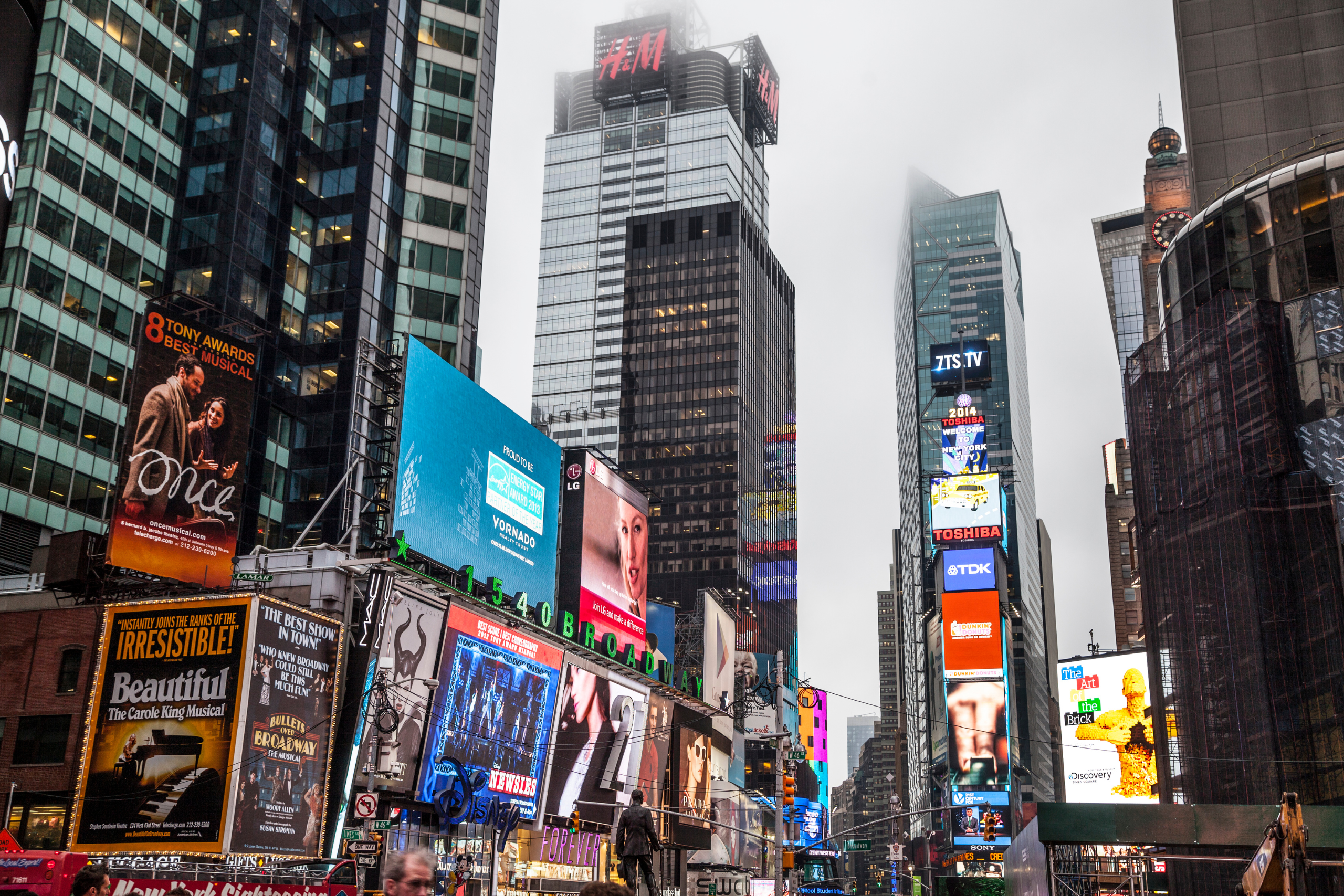
In today’s advertising landscape, billboard advertising is a powerful medium for businesses and brands to increase their visibility and reach a wide audience. As we venture into 2024, understanding the costs and nuances of billboard advertising is crucial for businesses looking to make a significant impact, including startups.
This detailed guide delves into the factors influencing billboard costs, pricing strategies, and advertising tips to maximize your investment.
Table of Contents
Why Billboard Advertising?
Billboard advertising stands out as a powerful medium for businesses and brands due to its unique ability to capture the attention of a broad audience in a way that few other advertising mediums can. Here are some reasons why billboard advertising is particularly effective in increasing visibility and reaching a wide audience:
- High-Impact Visibility: Billboards are typically large and placed in high-traffic areas, making them highly visible to many people. This high visibility ensures that a brand’s message reaches a wide audience, including the intended demographic and incidental viewers.
- 24/7 Exposure: Unlike other advertising mediums that time slots or circulation numbers might limit, billboards are on display 24 hours a day, seven days a week. This constant exposure means your advertisement works continuously, reaching people all day and night.
- Geographic Targeting: Billboards allow for strategic geographic targeting. Businesses can place their advertisements in specific locations where they are most likely to reach their target audience, such as near a business district, shopping centers, or on major commuting routes.
- Brand Reinforcement: The repetitive viewing of billboards, especially by commuters who pass by them daily, helps reinforce brand recognition and recall. This repeated exposure makes consumers more likely to remember the brand when purchasing.
- Creative Flexibility: Billboards offer creative flexibility, allowing brands to use bold visuals and concise messaging to grab attention quickly. This is especially effective in today’s fast-paced world, where consumers are constantly bombarded with information.
- Impervious to Ad Skipping: In an age where consumers can easily skip ads on digital platforms, billboards are impervious to this. People can’t “skip” a billboard, ensuring the advertisement is seen.
- Integration with Digital Campaigns: Modern billboards, especially digital ones, can be integrated with other marketing channels, such as social media or digital campaigns, creating a cohesive cross-platform marketing strategy.
- Audience Behavior Insights: With technological advancements, some billboards can now gather data on viewer demographics and behavior, providing valuable insights for targeted marketing strategies.
Continuous exposure, high visibility, geographic targeting, and creative flexibility make billboard advertising an exceptionally powerful medium for increasing brand visibility and reaching a wide audience effectively.
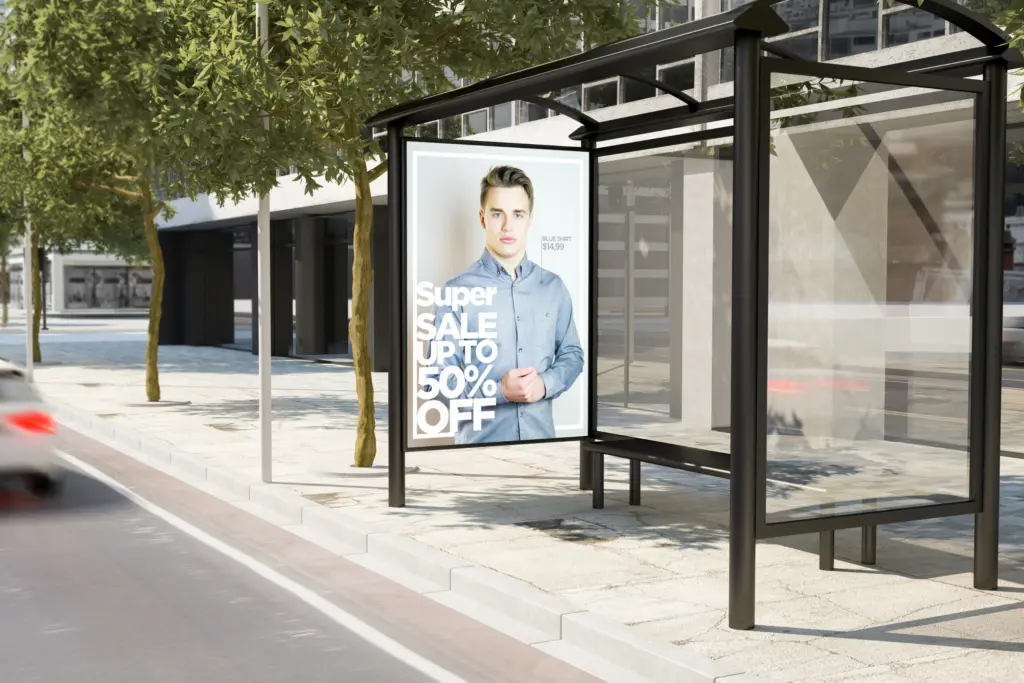
Key Factors Influencing Billboard Costs
The effectiveness and impact of a billboard largely depend on various underlying factors that influence its cost. Understanding these factors is crucial for advertisers to make informed decisions and optimize their advertising budget.
These factors range from the physical attributes of the billboard to the strategic considerations that influence its placement and design. By delving into these key influences, businesses can better navigate the complexities of billboard advertising and maximize their return on investment.
Here are the factors affecting the cost of billboard advertising:
1. Location
The billboard’s location is one of its most significant cost determinants. Billboards in high-traffic areas, especially in major cities or along busy highways, tend to have higher rates due to greater visibility and potential audience reach. Conversely, billboards in less populated or rural areas generally cost less.
2. Size and Type of Billboard:
The physical attributes of the billboard also play a crucial role in determining its cost. Larger billboards typically cost more, given their increased visibility.
The type of billboard – whether a traditional static billboard, a digital billboard, or a mobile billboard (like those seen on the sides of trucks) – also affects the price. Digital billboards, which offer dynamic and changeable content, usually command higher prices than traditional static ones.
3. Duration of the Advertising Campaign:
The length of time you wish to run your billboard advertisement can greatly impact the cost. Longer advertising commitments often provide better overall rates but require a more substantial upfront investment. Short-term billboard rentals will generally cost more on a per-day basis.
4. Design and Production Costs:
Custom billboard designs and high-quality materials can add to the overall cost. These elements will add to the overall cost if your billboard requires intricate designs, high-quality materials, or digital content production. Custom design services and using advanced digital technology in billboards (like LED displays) can significantly increase expenses.
5. Demand and Competition:
Just like any market, billboard advertising is subject to the forces of demand and competition. Prices will naturally be higher in areas with high demand for billboard space. This is often the case in major metropolitan areas or locations near popular events and tourist attractions.
6. Time of Year:
Seasonal fluctuations can also influence billboard costs. Due to increased demand, prices may surge during peak seasons or around major holidays and events.
Understanding these factors can help plan and budget for an effective billboard advertising campaign, ensuring the best possible return on investment.
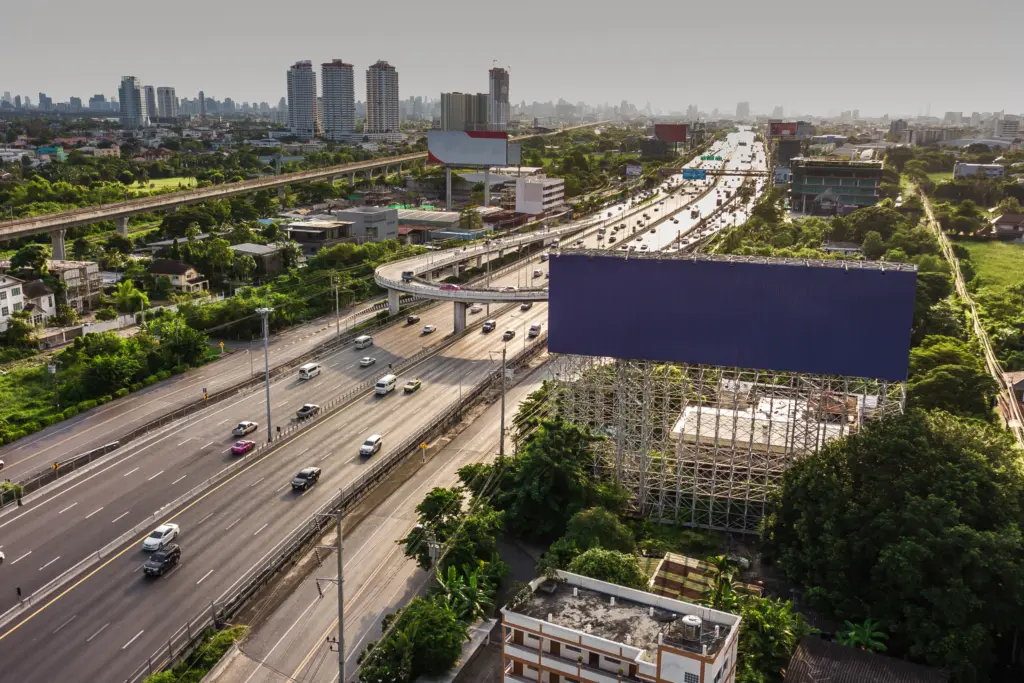
Types of Billboard Advertising
Billboards have long been a staple in advertising, offering a unique and effective way for businesses to reach a broad audience. Over the years, the evolution of billboard advertising has led to a diverse range of types, each with its own strengths and specific applications.
From the classic allure of traditional billboards to the dynamic appeal of digital displays and the innovative approaches of mobile and interactive billboards, the landscape of outdoor advertising is rich and varied.
Understanding the different types of billboards is crucial for advertisers to select the right medium that aligns with their marketing goals, target audience, and budget. Each type offers distinct advantages, whether it’s the enduring visibility of a traditional billboard, the flexibility and engagement of a digital screen, the mobility and targeted reach of a moving billboard, or the interactive nature of newer, tech-savvy models. This diversity reflects the changing face of advertising and provides businesses with various tools to craft effective and impactful marketing campaigns.
Traditional Billboards
Traditional billboards offer a standard form of advertising. They are a longstanding and widely recognized form of outdoor advertising that plays a significant role in many businesses’ marketing strategies. Characterized by their large, static displays, these billboards are typically constructed from sturdy materials like metal or wood, ensuring durability against various outdoor elements.
The essence of a traditional billboard lies in its simplicity and permanence; it features a fixed image or message, usually printed on substantial vinyl sheets, that remains constant throughout the advertising period.
This form of advertising is strategically placed in high-visibility areas such as busy roads, urban centers, and nearby landmarks to maximize audience reach. The effectiveness of traditional billboards comes from their ability to offer long-term exposure to a wide audience, making them particularly valuable for brand awareness campaigns.
Despite the rise of digital alternatives, traditional billboards retain their appeal due to their cost-effectiveness and the straightforward impact of a well-designed, static advertisement that viewers encounter repeatedly, enhancing brand recall and message retention.
In contrast, digital billboards provide dynamic, changeable content, often at a premium price.
The distinction between traditional and digital billboards is a pivotal aspect of modern outdoor advertising, each offering unique advantages and considerations for advertisers.
Key Characteristics of Traditional Billboards:
- Static Display: Traditional billboards display a static image, typically printed on large vinyl sheets. This image remains constant throughout the advertising period.
- Longer Ad Duration: Ads on traditional billboards are often up for longer periods, usually weeks or months, which means less flexibility in changing the advertisement.
- Cost-Effectiveness: Generally, traditional billboards are more cost-effective than digital ones, especially for long-term campaigns.
- Material and Installation Costs are associated with producing and installing the physical advertisement.
- Visibility in All Conditions: Traditional billboards are less affected by weather conditions like bright sunlight, which can sometimes make digital screens hard to read.
Digital Billboards
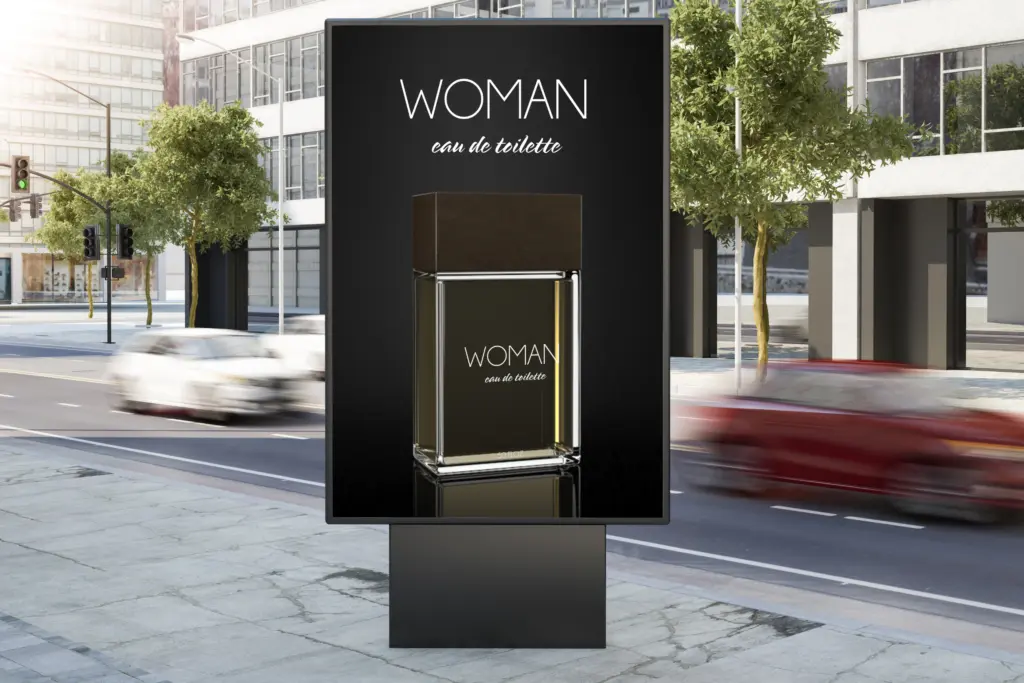
Digital billboards represent a modern and dynamic approach to outdoor advertising, offering a high-tech twist on the traditional billboard concept.
Unlike their static counterparts, digital billboards utilize advanced LED technology to display animated or changing advertisements. These electronic screens can showcase multiple ads in a rotation, allowing various messages to be broadcast in one location. This flexibility is a key advantage, enabling advertisers to update or change their content quickly and easily, often remotely and in real-time.
The vibrancy and motion of digital billboards make them particularly eye-catching, enhancing their visibility and impact, especially in high-traffic urban areas or at major intersections where they can capture the attention of a diverse audience. Additionally, scheduling different ads at different times of the day allows for targeted advertising, catering to specific demographics or peak traffic hours.
The digital nature of these billboards also opens up possibilities for interactive and creative campaigns, leveraging technology for more engaging and memorable advertising experiences. Despite the higher cost associated with their technological features and dynamic content capabilities, digital billboards offer a level of engagement and flexibility that is increasingly sought after in the fast-paced, ever-changing landscape of modern advertising.
Key Characteristics of Digital Billboards:
- Dynamic Content: Digital billboards display digital images or videos that can change at predetermined intervals. This allows for multiple advertisements to be shown in the same space throughout the day.
- Greater Flexibility: Advertisers can change their ad content more frequently, which is ideal for time-sensitive promotions or messages.
- Higher Engagement: The dynamic nature of digital billboards can be more engaging to viewers. They can display animations, videos, and even interactive content.
- Cost Considerations: While digital billboards can be more expensive in terms of rental costs, they eliminate the need for physical production and installation of ad materials.
- Energy and Maintenance: These billboards require a constant power source and may have higher maintenance costs due to their technological components.
In summary, traditional billboards offer a cost-effective, static advertising solution suitable for longer-term campaigns, while digital billboards provide flexibility, dynamic content, and higher engagement potential at a generally higher cost. The choice between the two depends on the advertising campaign’s specific goals, budget, and strategy.
Mobile Billboards
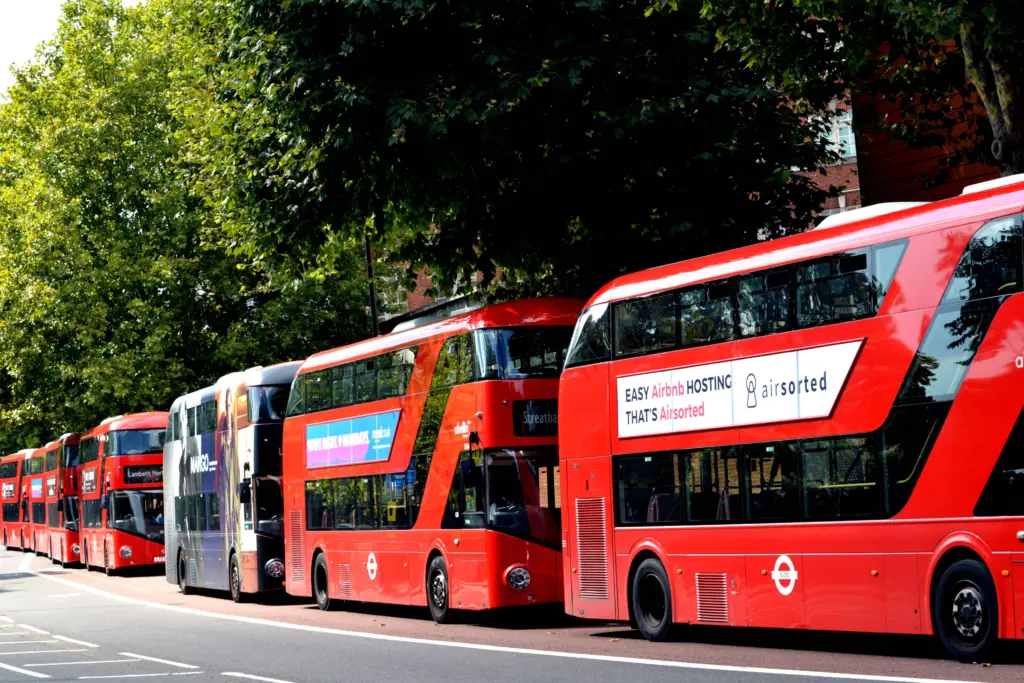
Mobile billboards are an innovative form of outdoor advertising that brings the message directly to the audience, wherever they may be. Essentially, these are advertisements mounted on moving vehicles, such as trucks or trailers, which travel through specific areas or routes.
The mobility of these billboards allows advertisers to target locations with high footfall or vehicular traffic, making them ideal for campaigns aiming to reach a diverse range of people or for targeting specific events, neighborhoods, or times of day.
The advertisements on mobile billboards are often bold and eye-catching, designed to grab attention quickly. They can be traditional print ads or, increasingly, digital displays offering the same dynamic, changeable content as stationary digital billboards.
One of the key advantages of mobile billboards is their ability to circumvent the limitations of fixed-location advertising. By moving through different areas, they can effectively increase brand exposure and recognition.
Moreover, mobile billboards offer flexibility regarding campaign duration and geographical coverage, allowing for short-term, targeted campaigns that can be adjusted based on real-time response or specific marketing goals. This makes them a versatile and effective tool in a marketer’s arsenal, particularly for promotions, event advertising, or reaching areas where traditional or digital billboards are sparse or unavailable.
Key Characteristics of Mobile Billboards:
- Presentation: Mobile billboards involve advertisements mounted on moving vehicles displaying static or digital content.
- Flexibility: These billboards are extremely flexible regarding location and can be directed to specific areas, routes, or events, depending on the target audience.
- Audience Engagement: Mobile billboards engage audiences by bringing the advertisement directly to different groups of people, offering targeted exposure and the advantage of reaching locations where stationary billboards might not be present.
Summary of Traditional vs Digital Billboards
This table highlights the fundamental differences between traditional, digital, and mobile billboards, each offering distinct advantages and considerations for advertisers.
| Feature | Traditional Billboards | Digital Billboards | Mobile Billboards |
|---|---|---|---|
| Display Type | Static images, usually on vinyl | Electronic screens with dynamic, changing content | Static or digital displays on moving vehicles |
| Content Flexibility | Fixed content for the duration of the ad campaign | High flexibility with easily changeable content | Varies; can be static or changeable if digital |
| Location | Fixed in high-traffic areas or prominent locations | Typically in high-traffic, urban areas | Highly mobile, can travel to different locations |
| Visibility | Constant exposure at a specific site | Rotating ads, each displayed for a set time | Varies, depending on the route and duration of travel |
| Audience Reach | Broad reach, dependent on billboard location | Broad reach with dynamic targeting capabilities | Generally lower due to the static nature |
| Cost | Generally lower due to static nature | Higher due to technology and dynamic content capabilities | Variable, depending on route, duration, and type of display |
| Engagement | Generally lower due to the static nature | High engagement through dynamic and timely content | Direct engagement in diverse locations |
| Maintenance | Lower maintenance, weather-dependent | Higher maintenance for electronic components | Maintenance of vehicle and billboard |
| Customization | Limited post-installation | High, with options for real-time updates | Flexible, especially with digital mobile billboards |
| Environmental Impact | Static; potential waste from vinyl prints | Higher energy use but less physical waste | Fuel consumption for vehicle-based billboards |

Costs of Billboard Advertising
Here’s a closer look at the pricing of the different types of billboard advertising:
- Traditional Billboards: Prices can range from $1,500 to $5,000 per month in smaller cities and $14,000 to $20,000 in major metropolitan areas.
- Digital Billboards: Depending on location and demand, these can cost between $2,000 and $15,000 per week.
- Mobile Billboards: These can cost between $800 to $2,000 per day in a smaller city and $1,200 to $3,000 per day in a larger city.
Cost of Traditional Billboard Advertising
The cost of traditional billboard advertising in the United States varies widely across different regions, primarily influenced by factors such as location, population density, and the area’s traffic level. Traditional billboard advertising costs are typically at a premium in major metropolitan areas like New York City, Los Angeles, or Chicago, where the audience reach is substantial due to high traffic and dense populations. Here, businesses can expect to pay anywhere from $10,000 to $25,000 or more per month for a prominent billboard spot. This high cost reflects the intense competition for advertising spaces and the high visibility these locations offer.
In contrast, the costs are considerably lower in smaller cities and less populated regions. For example, in mid-sized cities or suburban areas, the monthly rates for billboard advertising might range from $1,500 to $5,000. This cost reduction is attributed to the lower competition and reduced audience traffic compared to larger cities.
Furthermore, the costs can drop even further in rural areas or locations with minimal traffic. Billboard advertising might cost as little as a few hundred dollars per month in these areas. While the reach in such locations is significantly less than in urban centers, these billboards can still be an effective tool for local businesses or campaigns targeting specific demographics.
It’s important to note that the cost of traditional billboards also depends on other factors, including the billboard size, the duration of the advertising campaign, and the specific terms of the contract with the billboard provider. Additionally, production costs for designing and printing the advertisement are typically separate from the rental costs of the billboard space.
In summary, traditional billboard advertising costs in the USA vary greatly depending on the region, with prices highest in major urban centers and progressively lower in smaller cities and rural areas. This variance reflects the different levels of exposure and audience reach available in each location, making it important for advertisers to consider their target audience and campaign objectives when selecting a billboard location.
Costs of Digital Billboard Advertising
The cost of digital billboard advertising in the United States exhibits notable variation across different regions, influenced by a blend of factors such as location, market demand, and the level of audience engagement.
In some of the bustling metropolitan areas like New York City, Los Angeles, and Chicago, where the concentration of people and traffic is high, digital billboard advertising costs considerably more. Advertisers can expect to pay a premium – often ranging from $5,000 to over $15,000 per week – for a digital billboard spot in these urban centers. This higher cost reflects the intense competition for advertising space, the cutting-edge technology, and the high visibility and engagement these digital billboards offer in busy city environments.
Conversely, in smaller cities or suburban areas, the costs associated with digital billboard advertising are more moderate. For instance, the weekly rates might fall from $2,000 to $5,000 in these areas. This decrease in cost is primarily due to lower audience traffic and reduced competition compared to major cities.
The cost can be even more affordable in rural areas or less trafficked locations, potentially going as low as $1,000 to $3,000 per week. While the audience reach in these locations is less than in urban centers, digital billboards in such areas can still offer valuable exposure, especially for local businesses or specific target markets.
It’s important to note that digital billboards offer unique advantages, such as the ability to change and update advertisements quickly, potentially increasing the return on investment for advertisers. Additionally, costs can fluctuate based on the billboard’s size, the duration of the advertising campaign, and specific time slots chosen for displaying the ad.
In summary, digital billboard advertising costs in the USA vary widely, with the highest prices in major urban areas and progressively lower costs in smaller cities and rural regions. This variation reflects the differing levels of exposure, audience engagement, and technological sophistication available in each location, making it crucial for advertisers to carefully consider their target audience and campaign goals when choosing a digital billboard location.
Costs of Mobile Billboard Advertising
The cost of mobile billboard advertising in the USA varies significantly across different regions, reflecting the diversity in market demand, audience reach, and economic factors prevalent in each area. In major metropolitan areas like New York City, Los Angeles, and Chicago, the costs tend to be higher due to the dense population and high traffic, both of which offer greater visibility and potential impact for the advertisement. In these cities, the daily rates for mobile billboards can range from around $1,200 to $3,000, depending on factors such as the type of mobile billboard (digital or static), campaign duration, and specific route.
Contrastingly, mobile billboard advertising costs are generally lower in smaller cities or less populated regions, such as in the Midwest or rural areas. This decrease is due to reduced traffic and lower competition for advertising spaces. In these areas, businesses might expect to pay anywhere from $800 to $2,000 per day, depending on the campaign’s specifics and the type of mobile billboard used.
It’s important to note that these costs can fluctuate based on the time of year and specific events occurring in the region. For instance, increased demand might spike advertising costs during major events, festivals, or holiday seasons. Additionally, the level of customization, such as the use of digital technology or interactive features, can also affect the overall cost of a mobile billboard campaign.
In summary, while mobile billboard advertising presents a versatile and effective advertising medium, its costs can vary widely across different regions in the USA, influenced by local market dynamics, audience density, and the specific requirements of the advertising campaign.
Maximizing Your Billboard Advertising Strategy
To maximize your billboard advertising strategy, it’s essential to integrate a blend of careful planning, creative design, and strategic placement. Start by selecting locations with high traffic and frequented by your target audience, ensuring your message reaches the right people.
The design of the billboard should be eye-catching and convey your message succinctly; remember, viewers typically have only a few seconds to absorb the content. Utilize bold visuals and clear, impactful text to make a lasting impression. Tailoring your message to be relevant and engaging for the local audience is also crucial. For digital billboards, take advantage of their dynamic nature by updating content regularly to keep it fresh and engaging, and consider timing your messages to align with specific events, times of day, or audience patterns.
Integrating your billboard campaign with other marketing efforts, such as social media or digital advertising, can create a cohesive and powerful marketing mix. Finally, continually measure the effectiveness of your billboard advertising and be ready to adapt your strategy based on the response and feedback you receive, ensuring that your investment yields the best possible returns.
To make the most of your billboard investment, consider these tips:
- Choose Strategic Locations: Select locations with high traffic and visibility that align with your target audience.
- Leverage Creative Designs: Eye-catching and memorable designs can significantly increase the effectiveness of your campaign.
- Timing is Key: Align your advertising with seasonal trends or events to maximize impact.
- Track and Analyze: Use tracking tools to measure the effectiveness of your billboard advertising and make data-driven decisions.
Emerging Trends in Billboard Advertising
Emerging trends in billboard advertising reflect the industry’s adaptation to technological advancements, changing consumer behaviors, and a growing emphasis on sustainability. One significant trend is the increasing use of digital billboards, which offer dynamic, customizable content and the ability to change messages in real time. This flexibility allows for more targeted advertising and the ability to respond quickly to market trends or events.
Interactive billboards are also gaining traction, engaging audiences through technologies like augmented reality, QR codes, and social media integration. These billboards encourage viewer interaction, creating memorable experiences and deeper engagement with the brand.
Another trend is the integration of data analytics in billboard advertising. Advertisers use data to understand audience patterns and preferences, enabling more personalized and effective advertising campaigns. This data-driven approach helps place billboards at optimal locations and display content when it’s most relevant to the target audience.
Sustainability is also becoming a key consideration in billboard advertising. Eco-friendly practices are being adopted, such as using renewable energy sources to power digital billboards and employing sustainable materials for traditional billboards. This shift addresses environmental concerns and resonates with the growing number of consumers who prefer brands with sustainable practices.
Moreover, mobile billboards are evolving, with advertisers leveraging GPS technology to track and optimize routes, ensuring maximum exposure to the desired audience. The use of electric or hybrid vehicles for mobile billboards is also emerging, aligning with environmental sustainability efforts.
Finally, there’s a trend towards blending outdoor advertising with online and social media campaigns. Billboards often include hashtags or social media handles, bridging the gap between offline and online marketing channels and creating a more integrated marketing approach.
These trends indicate a dynamic and evolving billboard advertising industry that is becoming more interactive, data-driven, sustainable, and integrated with digital technology and online marketing strategies.
Conclusion
Billboard advertising in 2024 remains a potent tool for brand visibility and messaging. By understanding the costs, leveraging the latest trends, and employing strategic planning, businesses can effectively utilize this medium for maximum impact.
Thank you for your sharing. I am worried that I lack creative ideas. It is your article that makes me full of hope. Thank you. But, I have a question, can you help me?
Is traditional billboard advertising still relevant in today’s digital age, or is it a dying form of marketing that businesses should move away from?